
The Army is searching for roughly $33,000 worth of missing helicopter equipment and communication gear that vanished after a theft in Portland, Oregon, leaving investigators scrambling to find who swiped highly specialized military assets out of a rental car.
Three soldiers were assigned to return a helicopter to Oregon and checked into a Portland hotel while on the mission.
According to Oregon-based news outlet KGW, they secured their gear in a rental vehicle parked in the hotel lot, assuming it would be safe overnight.
By morning, thieves had struck and vanished with military hardware that never should have been left in a car overnight in a city better known for rioters and busted windows than law and order.
Officials say the stolen haul included three survival radios, flight helmets and suits, cold weather gear, a Getac ruggedized military laptop, a SHOUT Nano satellite navigation device, a Sentry ADS-B aircraft tracker, survival knives, and several iPads.
Each of these pieces of equipment is worth serious money and, more importantly, could carry sensitive use or encryption capabilities tied to Army aviation operations. It wasn’t just gear; it was critical flight gear with battlefield value.
Portland Police Bureau public information officer Sgt. Kevin Allen confirmed that the theft occurred in a break-in sometime between October 29 and 30.
Portland cops, already stretched thin from years of “defund the police” politics, are now working alongside Army Criminal Investigation Division agents to recover the high-value equipment.
Army CID spokesman Jason Mills issued a statement confirming an open investigation, explaining, “To protect the integrity of the investigation and to ensure all leads can be thoroughly explored, we are unable to share specific details at this time.”
In other words, the Army is keeping its cards close until they know more—but the fact that these items are unaccounted for is deeply concerning for national security and aviation safety.
According to KGW, federal court documents confirm that an investigation was launched soon after the theft, but the case has faced “setbacks” that have slowed progress. Those “setbacks,” many in law enforcement say, are a symptom of the broader decay in urban enforcement culture.

The Portland of 2024 looks more like an unlocked storage unit than a functioning city, and now military readiness has taken a hit because of it.
While the Army has not revealed whether the stolen items contained any digital or tactical data, the inclusion of a military-grade laptop and tracking devices suggests potential exposure to sensitive information.
Items like the Sentry ADS-B tracker and SHOUT Nano could also present danger if they fell into hostile or criminal hands, capable of relaying tracking data that could compromise flight or mission details.
The stolen gear originally supported Army aviation teams involved in helicopter movement and maintenance.
The mission to transport aircraft parts and equipment to Oregon was routine—until this theft turned it into a federal investigation. It’s yet another reminder that crime doesn’t discriminate, and careless storage of gear provides easy pickings in cities where policing has become more political than practical.
Local and federal law enforcement agencies often coordinate closely when military jurisdictions overlap civilian spaces, but staffing and political constraints in left-leaning cities have made such cooperation more difficult.
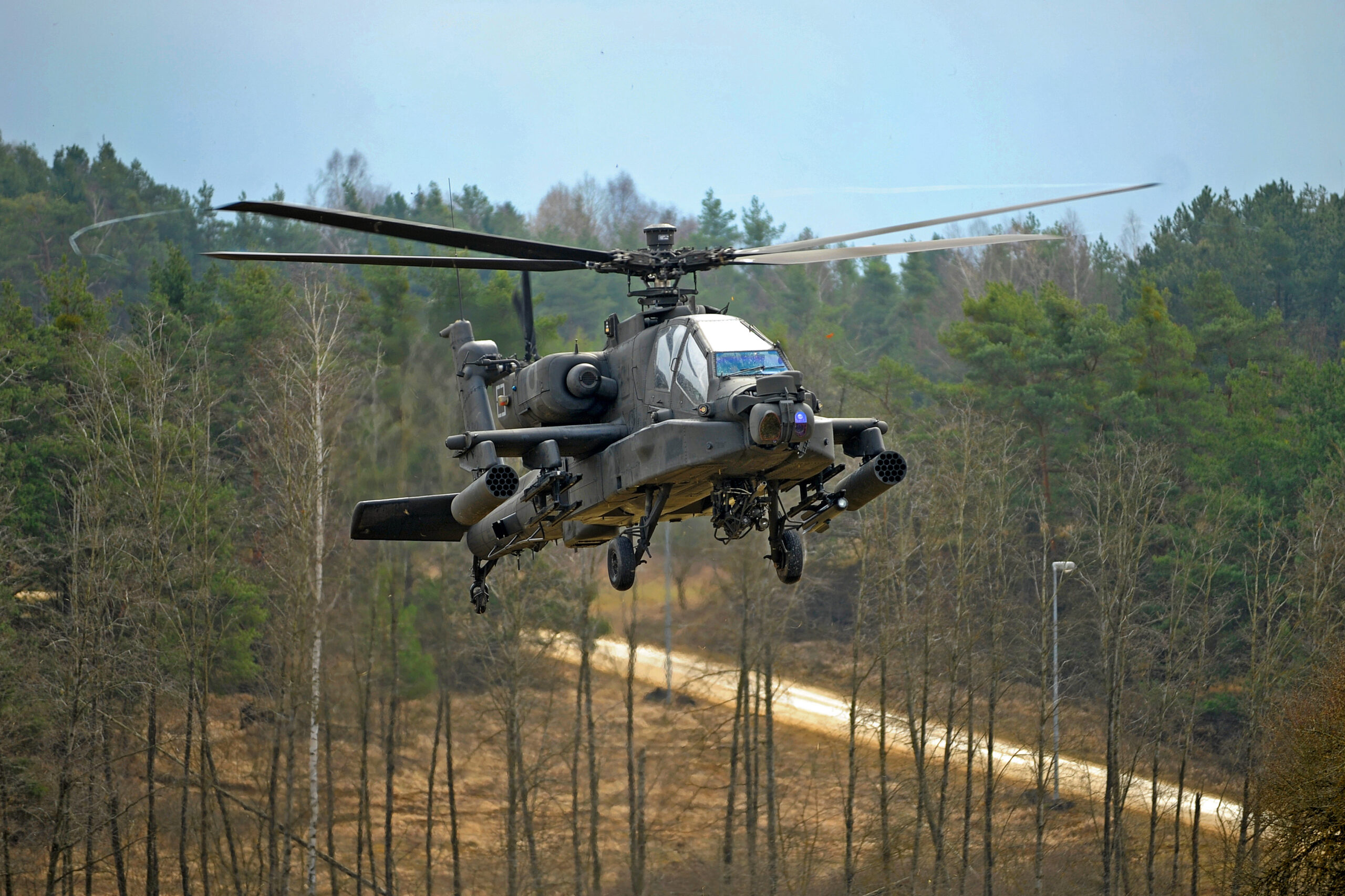
The Portland police, who have publicly battled anti-police city policies and budget cuts, are now tasked with recovering precision communications hardware worth more than most citizens’ annual incomes.
Security analysts point out that while it’s likely the thieves sold or ditched the hardware quickly, the potential for misuse can’t be ignored.
Survival radios and encrypted communications gear are classified for a reason—they keep pilots alive and secure in combat or crash situations. Losing them in a hotel parking lot isn’t just sloppy, it’s operationally reckless.
This case also highlights the logistical realities of military mobility in America today.
When soldiers travel with mission-essential gear, they must rely on civilian infrastructure—roads, hotels, and rental vehicles—that are increasingly unsafe in cities plagued by soft-on-crime policies. The contrast is glaring: elite servicemembers navigating environments where local authorities struggle to even protect parked vehicles.
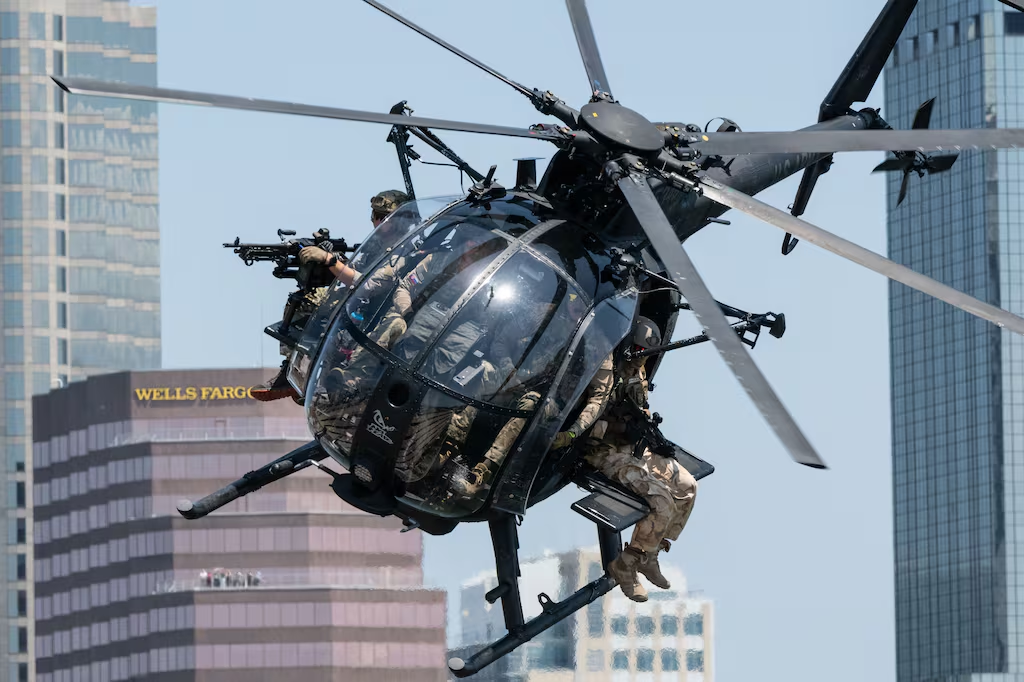
At the same time, it underscores the ongoing readiness challenge the War Department faces as it retools operations under Secretary of War Pete Hegseth’s focus on discipline and accountability.
Incidents like this cut against that mission, showing gaps where follow-through and enforcement meet the realities of a demoralized civilian environment.
Whether the stolen gear is recovered remains uncertain, but one thing is clear: the intersection of military operations and progressive city decline has once again delivered a costly reminder.
MORE NEWS: U.S. Greenlights Nearly $2 Billion Counter-Drone Sale to Kuwait Amid Rising Iranian Aggression
When order breaks down on the home front, even America’s most disciplined institutions aren’t immune from the fallout.
And until cities like Portland start backing up their thin blue line, it’s America’s soldiers who will continue paying the price.
The opinions expressed by contributors and/or content partners are their own and do not necessarily reflect the views of RobManess.com. Contact us for guidelines on submitting your own commentary.
Join the Discussion
COMMENTS POLICY: We have no tolerance for messages of violence, racism, vulgarity, obscenity or other such discourteous behavior. Thank you for contributing to a respectful and useful online dialogue.