Army Shifts Rifle Production to New XM8 Carbine, Leaving M7 in Limbo
Posted By
Common Defense
On
In
National Security,News |
No Comments
The U.S. Army has officially pivoted its small-arms manufacturing focus from the M7 rifle to the XM8 carbine, signaling a major shift in the service’s Next Generation Squad Weapon initiative.
According to Army officials, production lines are now being redirected toward the newer, lighter weapon system, leaving the M7’s future uncertain.
David Patterson Jr., the Army’s Capability Program Executive Ground spokesperson, confirmed the move in a statement emphasizing operational priorities.
“The production line has changed to the XM8,” Patterson told Task & Purpose, underscoring that the service is now prioritizing the carbine variant over its bulkier predecessor.
The M7 rifle and XM8 carbine, along with the M250 automatic rifle, form the backbone of the Army’s Next Generation Squad Weapon program.
All three systems share the 6.8x51mm cartridge designed for greater range and stopping power in close combat scenarios. These weapons have been developed specifically for soldiers who will face the brunt of ground fighting — infantry, scouts, and other frontline warfighters.
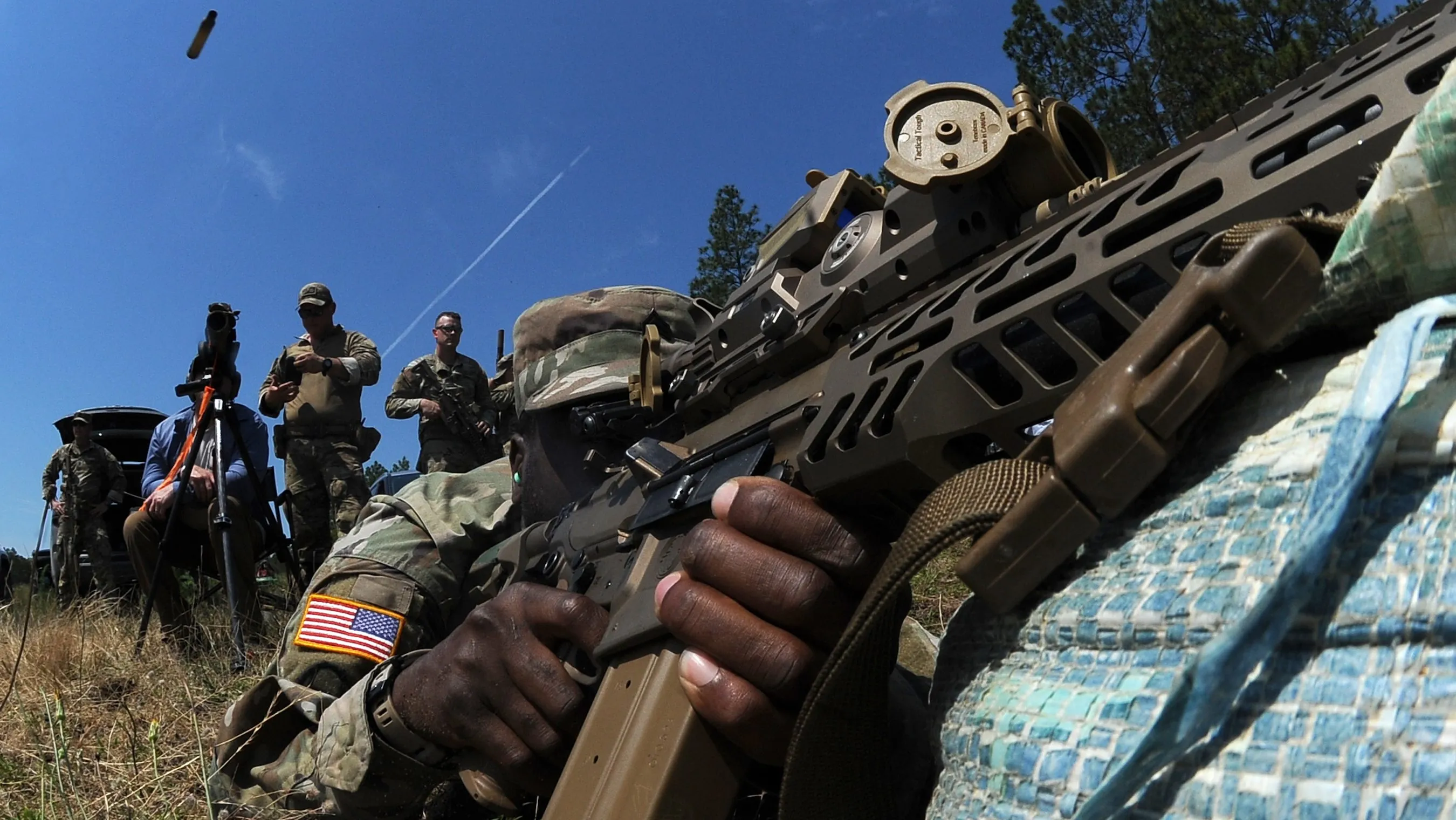
Image Credit: DoW
Army Sgt. Shandell Green, a scout with the West Virginia Army National Guard, engages targets with the XM7 rifle during testing at Fort Bragg, North Carolina in June 2024. Army photo by Sgt. 1st Class Jon Soucy.
Patterson added that the Army has not purchased any M7 rifles this fiscal year, which began on October 1. Instead, resources are being shifted toward refining and fielding the XM8 and its counterparts to soldiers as fast as possible.
He described future procurement as “pre-decisional,” code language indicating that the Army is reassessing long-term plans for the M7.
This pivot raises questions about whether the M7 will ever see widespread use. The move comes as the XM8, initially developed as a test platform, continues gaining traction after months of soldier-driven feedback and field trials that exposed the M7’s limitations.
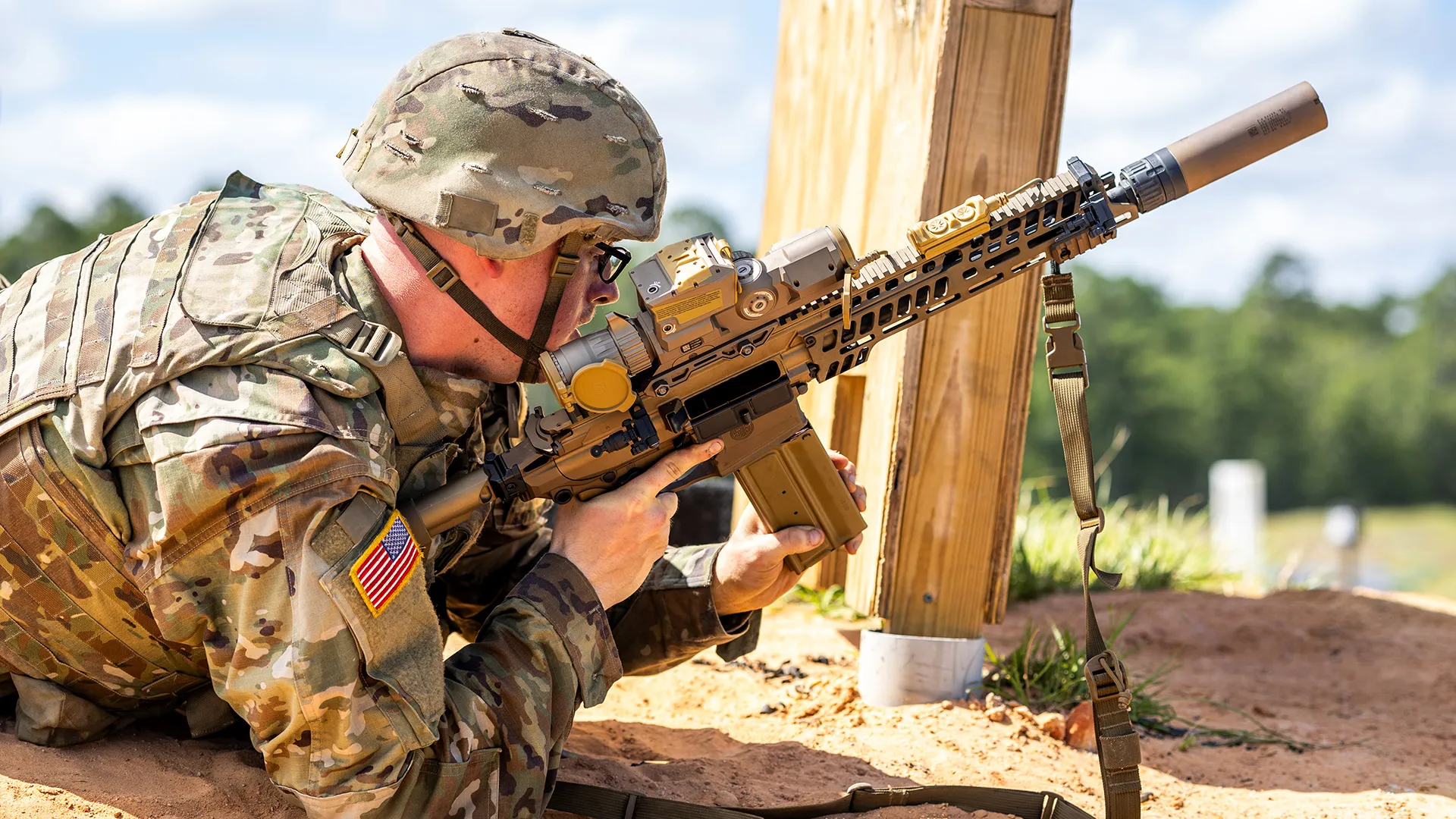
Image Credit: DoW
A soldier fires the XM7 during a week-long training event held at Fort Stewart, Georgia, June 20, 2024. Army National Guard photo by Spc. Turner Horton.
The M7, selected in 2022 alongside the M250 machine gun in a contract with Sig Sauer, was intended to replace the M4 carbine and M249 Squad Automatic Weapon in close combat units.
Despite the hype, the M7’s debut was met with sharp critique. Some infantry officers dismissed the weapon as poorly balanced, overly heavy, and difficult to maneuver — calling it “unfit for use as a modern service rifle.”
Even though Sig Sauer has remained tight-lipped about the Army’s changing production priorities, the company seems to be staying in sync with the new focus.
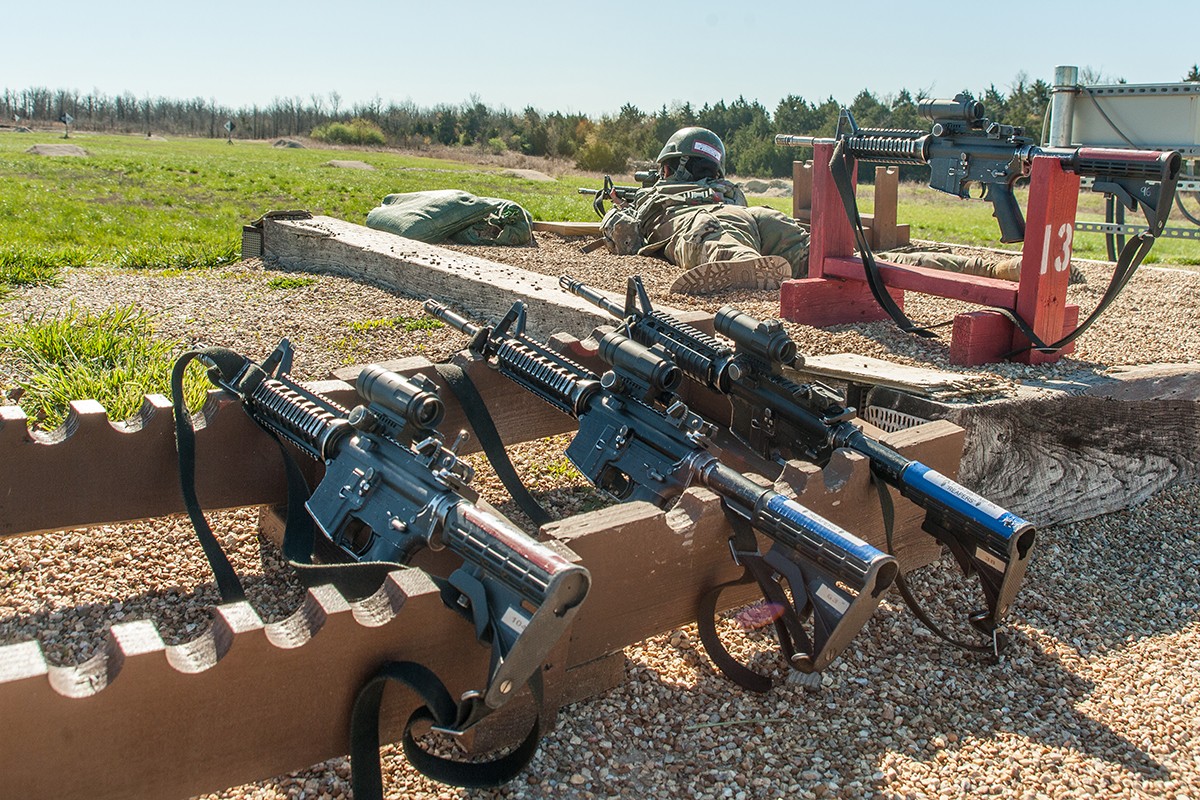
Image Credit: DoW
“The M7 remains in service, and SIG SAUER continues to standby to support production and sustainment needs, while the U.S. Army continues to expand its XM8 footprint,” said Tory Mazzola, Sig Sauer’s vice president of global communications. It’s a diplomatic way of saying that the M7 may soon take a back seat.
According to Mazzola, the XM8 is not just a lighter weapon; it’s a smarter one. He explained that the XM8 features several modifications based on direct input from soldiers who tested the M7.
A fixed stock, a softer recoil pad, and a more rigid handguard were added to increase shooter comfort and durability for mounted optics and attachments.
“The XM8 carbine’s shorter barrel makes the system 3.5 inches shorter and more than a pound lighter than the fielded M7 rifle,” Mazzola said.
“Its improved balance, felt recoil, and ergonomics expand soldier maneuverability while delivering the same level of incredible lethality.” Those are the types of changes warfighters have been demanding — practical refinements that make a difference under fire.
While specific production numbers remain classified, reports suggest that the Army has rapidly accelerated its deployment of the XM8 to frontline combat units.
Image Credit: DoW
The weapon’s lighter weight and improved handling appear to make it a favorite among troops who value mobility over brute size.
The Marine Corps, meanwhile, opted out of the M7 program entirely earlier this year, reaffirming its commitment to the M27 Infantry Automatic Rifle instead. That decision foreshadowed what many defense observers are now calling an inevitable transition away from the M7 across most U.S. forces.
The Army’s swift realignment toward the XM8 reinforces a broader trend in American military modernization.
Image Credit: DoW
With Secretary of War Pete Hegseth emphasizing agility, combat readiness, and lethality as top priorities, this retooling of the infantry’s core weapon is directly in line with President Trump’s push to rebuild the most dominant fighting force on Earth.
As soldiers continue testing the XM8 on battlefields and training ranges, early feedback seems promising.
The carbine’s ergonomic design, smoother recoil, and improved optics integration are all being hailed as steps in the right direction to enhance troops’ combat efficiency. For a military intent on winning wars rather than managing them, those upgrades couldn’t come soon enough.
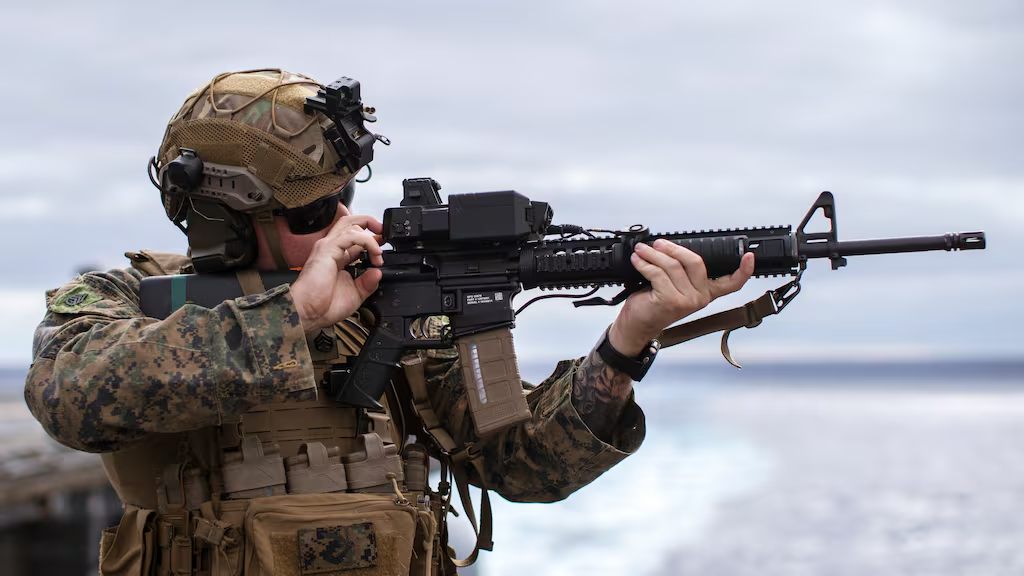
Image Credit: DoW
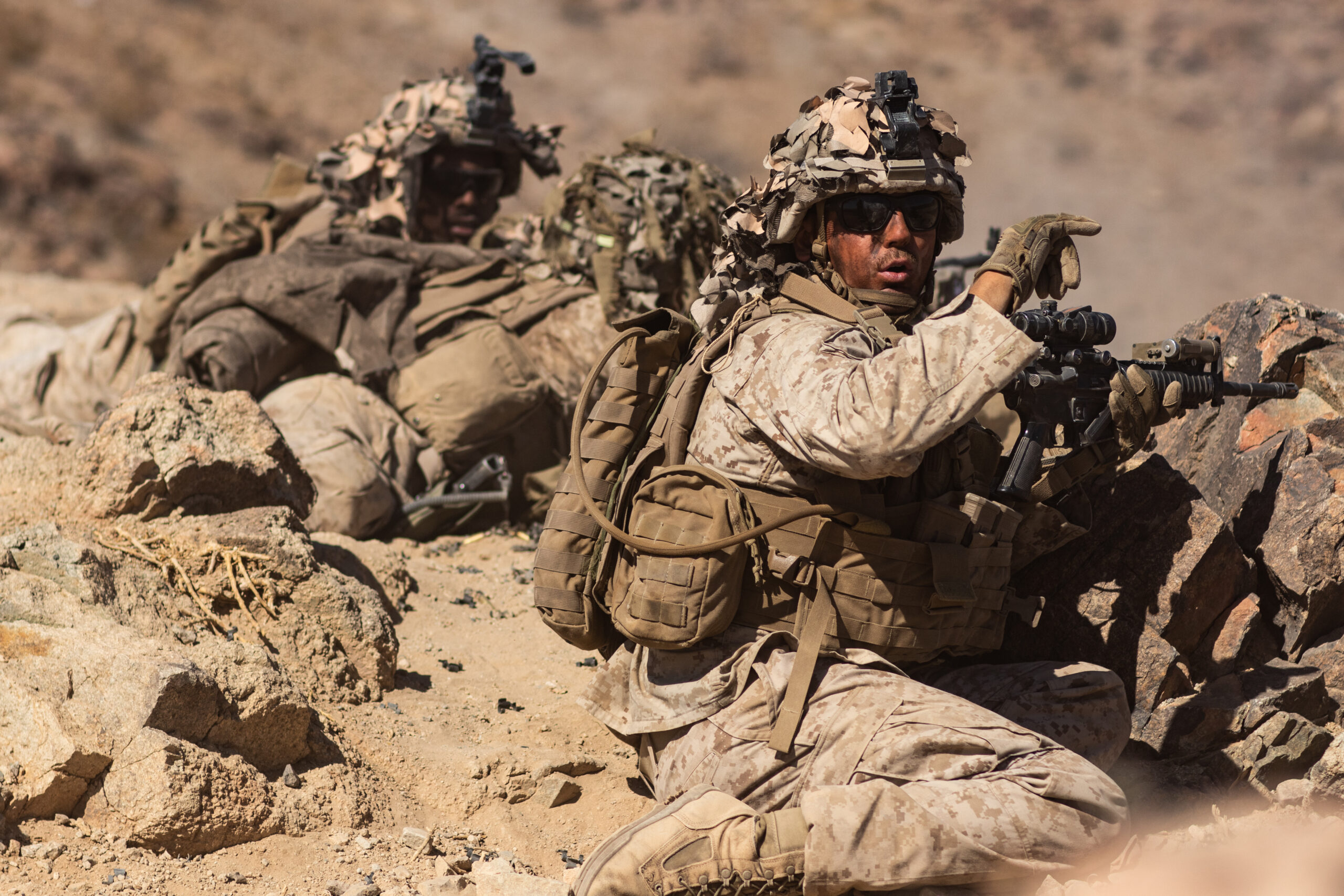
U.S. Marines with 1st Battalion, 6th Marine Regiment, 2nd Marine Division communicate using hand-arm signals during Integrated Training Exercise (ITX) 1-20, at Marine Corps Air Ground Combat Center, Twentynine Palms, Calif., Oct. 9, 2019. The purpose of ITX 1-20 is to create a challenging, realistic training environment that produces combat-ready forces capable of operating as an integrated Marine Air Ground Task Force (MAGTF) and to prepare units to participate in the MAGTF warfighting exercise scheduled to be held early November. (U.S. Marine Corps photo by Lance Cpl. Shane T. Beaubien)
While the M7 might not be officially retired yet, it’s clear that its time atop the Army’s small-arms hierarchy is fading.
The XM8, lighter, faster, and better balanced, is shaping up to become the new standard for America’s close-combat warriors — and a sign that the nation’s warfighters are once again getting the tools they deserve.