B-52 Crash Sparks Tough Questions About Future of America’s Legendary Bomber
Posted By
Common Defense
On
In
National Security,News |
No Comments
The B-52 Stratofortress has long stood as one of the most recognizable and formidable symbols of American airpower.
Towering over the skies since the 1950s, the massive bomber remains a pillar of U.S. military strategy—a weapon of endurance, strength and deterrence.
But after a tragic crash at Edwards Air Force Base this week claimed eight lives, questions are intensifying over whether this Cold War icon can keep flying confidently into the next century.
The Air Force has expressed full intent to extend the operational lifespan of the B-52 fleet well into the 2050s, supported by new technology and ongoing modernization projects.
Yet the crash is forcing a hard look inside a fleet that has faithfully served through every major American conflict for seven decades—from Vietnam to Iraq to the recent war with Iran.
Initial reports from Edwards AB confirm the crash occurred shortly after takeoff during what was described as a routine test mission. The plane was part of the Radar Modernization Program, an effort to update the bomber’s radar capabilities with state-of-the-art systems.
Tragically, the routine sortie ended with catastrophic failure and a devastating fireball, claiming all eight aboard, including U.S. Air Force crew and Boeing contractors.
An Interim Safety Investigation Board has begun assessing the wreckage, collecting evidence, and preparing to pass findings to a final Safety Investigation Board made up of top-tier experts in Air Force aviation.
Unlike civilian crashes, there is no National Transportation Safety Board involvement; this is a military matter through and through—handled internally within the Air Force structure. It’s what the War Department insists on: accountability within the ranks.
Analysts like Douglas Birkey from the Mitchell Institute for Aerospace Studies caution that while the B-52 fleet has performed remarkably well, structural fatigue is a real concern.
“When you do the math, that’s Cold War hardware we’re flying in a 21st-century battlespace,” Birkey noted. The engineering resilience of the B-52 is proven, but even fine-tuned workhorses can only be rebuilt so many times before fatigue finds its way into the frame.
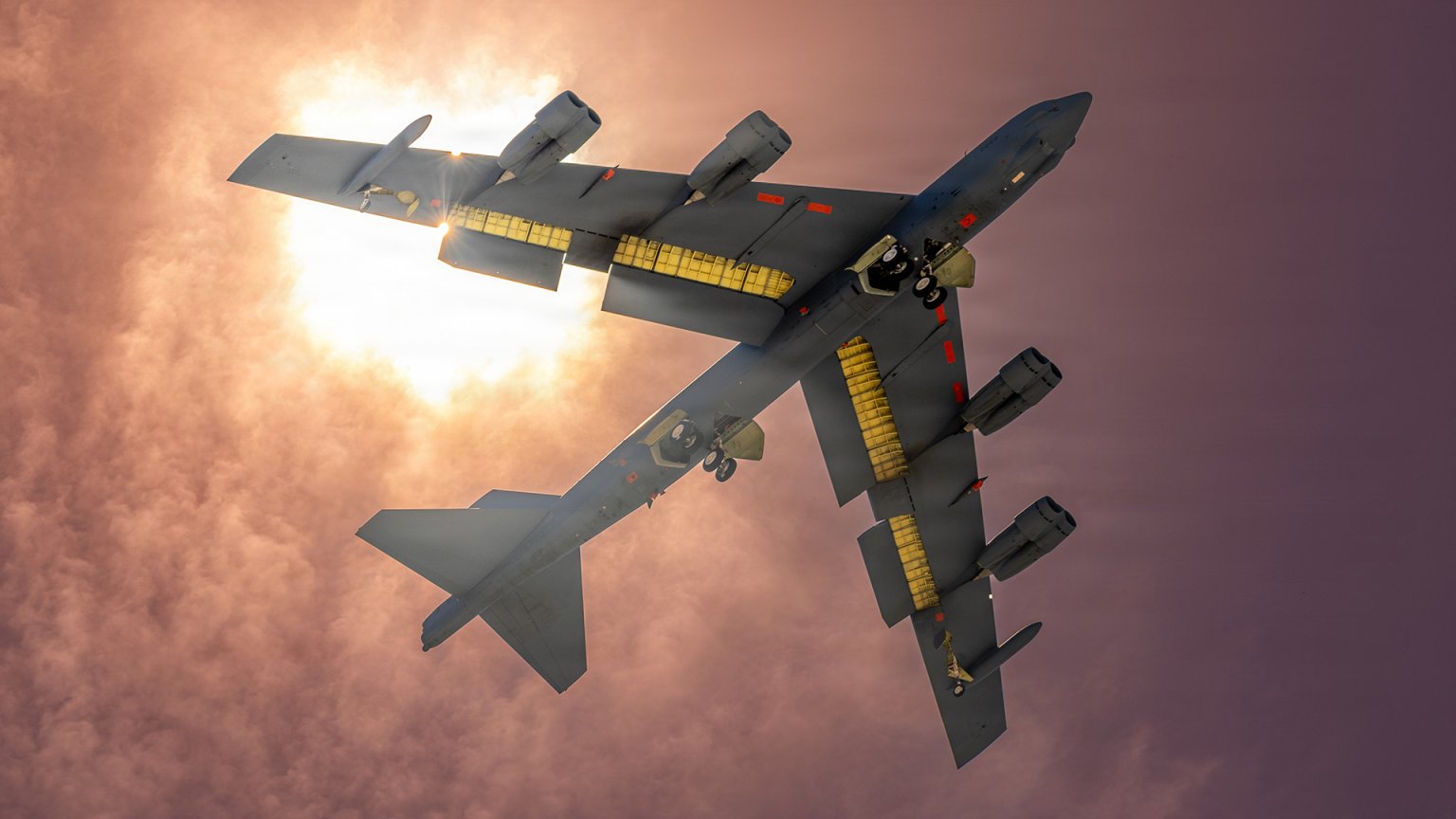
Image Credit: DoW
A B-52H Stratofortress from Edwards Air Force Base, California, departs for an evening test mission on Aug. 7, 2025. Air Force photo by Todd Schannuth.
The Air Force, however, believes modernization will keep these bombers alive and potent. Current plans include complete engine replacements, a new radar system, and improved computer systems to integrate with modern warfare networks.
In other words, while the B-52 may be old, it’s far from obsolete—especially when guided by capable leadership seeking to keep American military deterrence strong.
Still, the accident raises a familiar dilemma: at what point does upgrading a classic turn into overextending it? Aviation expert Ross Aimer put it bluntly. “Reimagining and changing an old airplane—it’s like putting chrome wheels on a ’70s Honda Civic.
It’s still a Honda Civic.” Aimer, a retired airline captain and consultant, underscored that aging frames can create new mechanical mysteries, no matter how much new tech is bolted onto them.
Historically, the B-52’s safety record has been impressive for such an old and heavily deployed aircraft. In an era where other aircraft types have long since retired, the B-52 has remarkably few recorded incidents.
The last fatal crash before this week’s happened in Guam in 2008. That longevity speaks to both the design genius of the Boeing engineers who built it and the vigilant maintenance by America’s airmen.
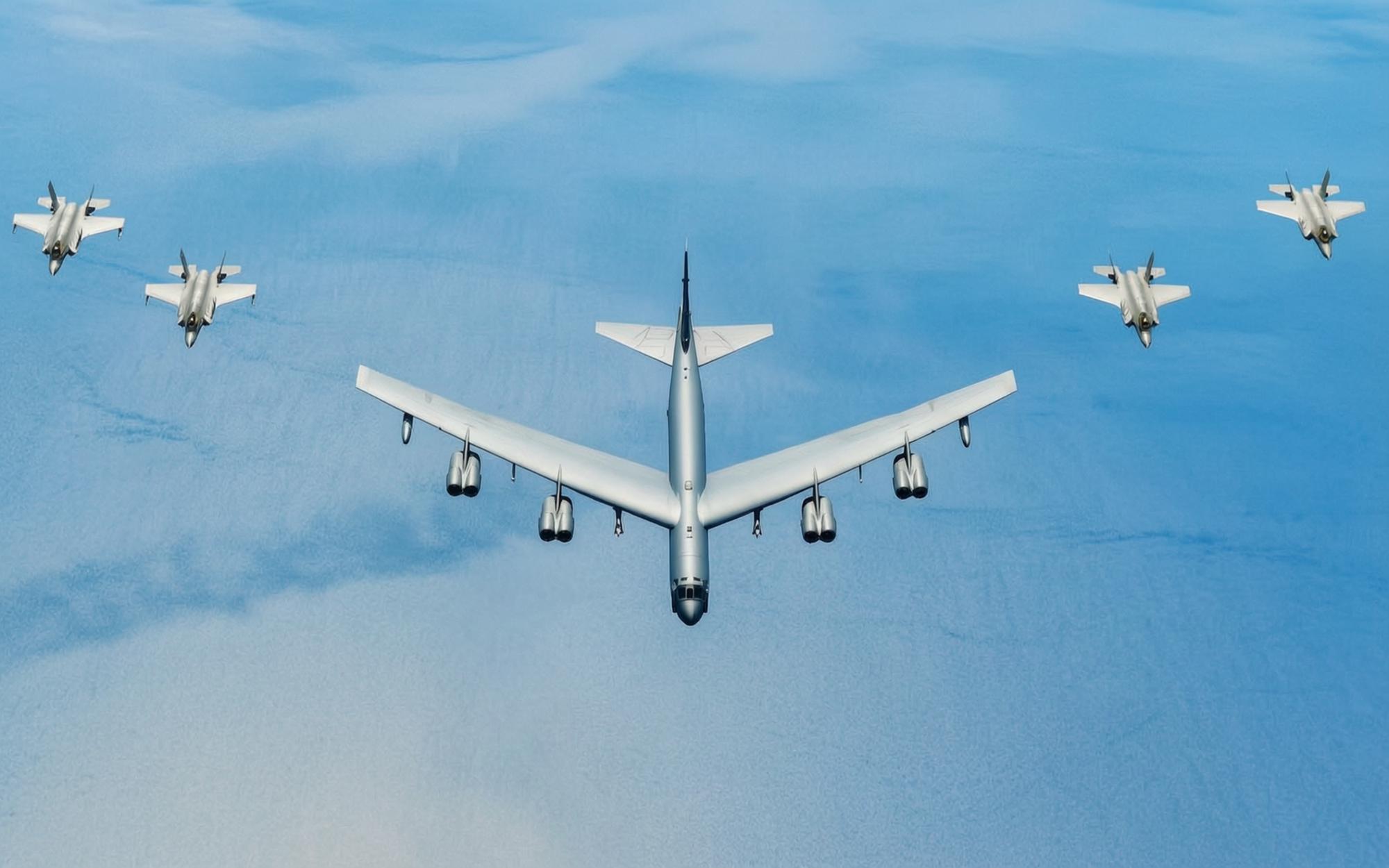
Image Credit: Beachside Stock
At the same time, critics of endless modernization argue that the Air Force is reluctant to invest in a fresh bomber platform simply because of cost. Developing a completely new long-range strategic bomber program from scratch would demand staggering sums.
Instead, the service has chosen to stretch the B-52’s lifespan through iterative upgrades.
It’s a practical decision—one that aligns with the fiscal discipline favored by President Trump’s vision for a strong but smart military rebuild, reinforced by War Secretary Pete Hegseth’s emphasis on efficiency without sacrificing combat power.
As for the current crash investigation, experts believe it will not only review the immediate causes—mechanical, human, or procedural—but also analyze patterns across the entire B-52 fleet.
“They’re going to have to do a very thorough inspection of the fleet,” Birkey said. “If they think it’s something structural or mechanical, it could cause extra inspection.” That means the results could influence operational readiness for months, or even years to come.
Meanwhile, modernization efforts continue. Testing of the new radar system is already underway, with the updated engines scheduled for testing in 2027.
These projects are aimed at keeping the Stratofortress viable in a world increasingly dominated by stealth platforms and unmanned systems. Yet, as Aimer admits, the very future of the B-52 may depend not on its hardware, but on how the nature of warfare evolves.
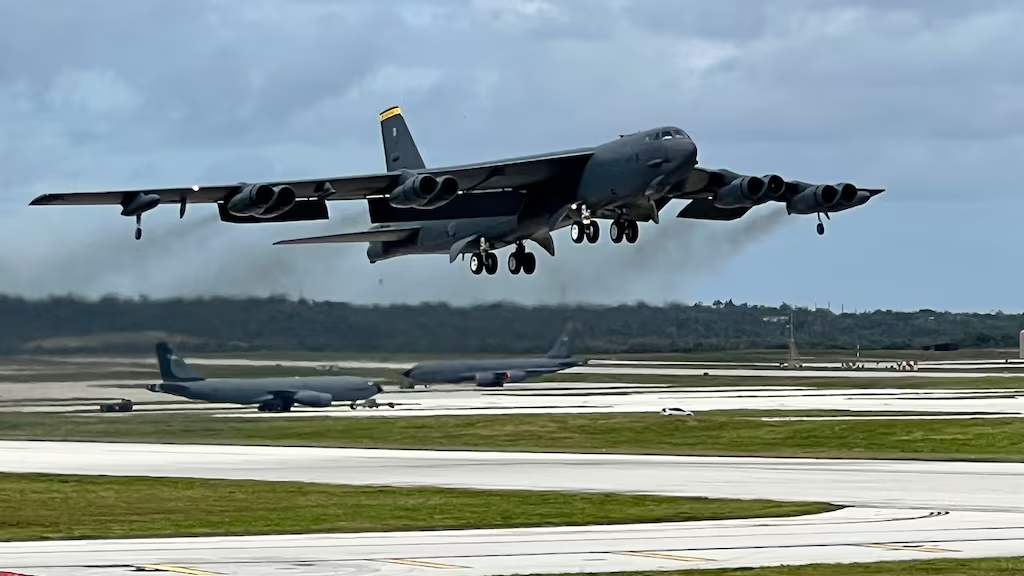
Image Credit: DoW
The Air Force said a B-52 crew that had a near-miss with a passenger aircraft last Friday told air traffic controllers at the Minot International Airport of their plans for a flyover of a nearby fairgrounds, but were not told a commercial airliner was on the way as well. (Capt. Stephen J. Collier/U.S. Air Force)
For now, the Air Force is committed to keeping this warhorse in the air. The plane represents far more than an aging design—it’s an enduring promise of American resolve and reach.
Veterans and pilots who’ve served aboard the Stratofortress continue to describe it as a “living legend” and a reminder that strength doesn’t always need a new nameplate to stay lethal.
If the investigation shows the crash was an isolated mechanical failure, the B-52 will likely continue its long march into a new era. If deeper problems appear, policymakers may have to weigh tough options.
Either way, the bomber that has carried American power across the globe won’t be grounded quietly. It’s lasted seventy years because it works—and because the men and women behind it refuse to let age define American might.