Eight Tragically Killed in Fiery B-52 Crash at Edwards Air Force Base
Posted By
Common Defense
On
In
National Security,News |
No Comments
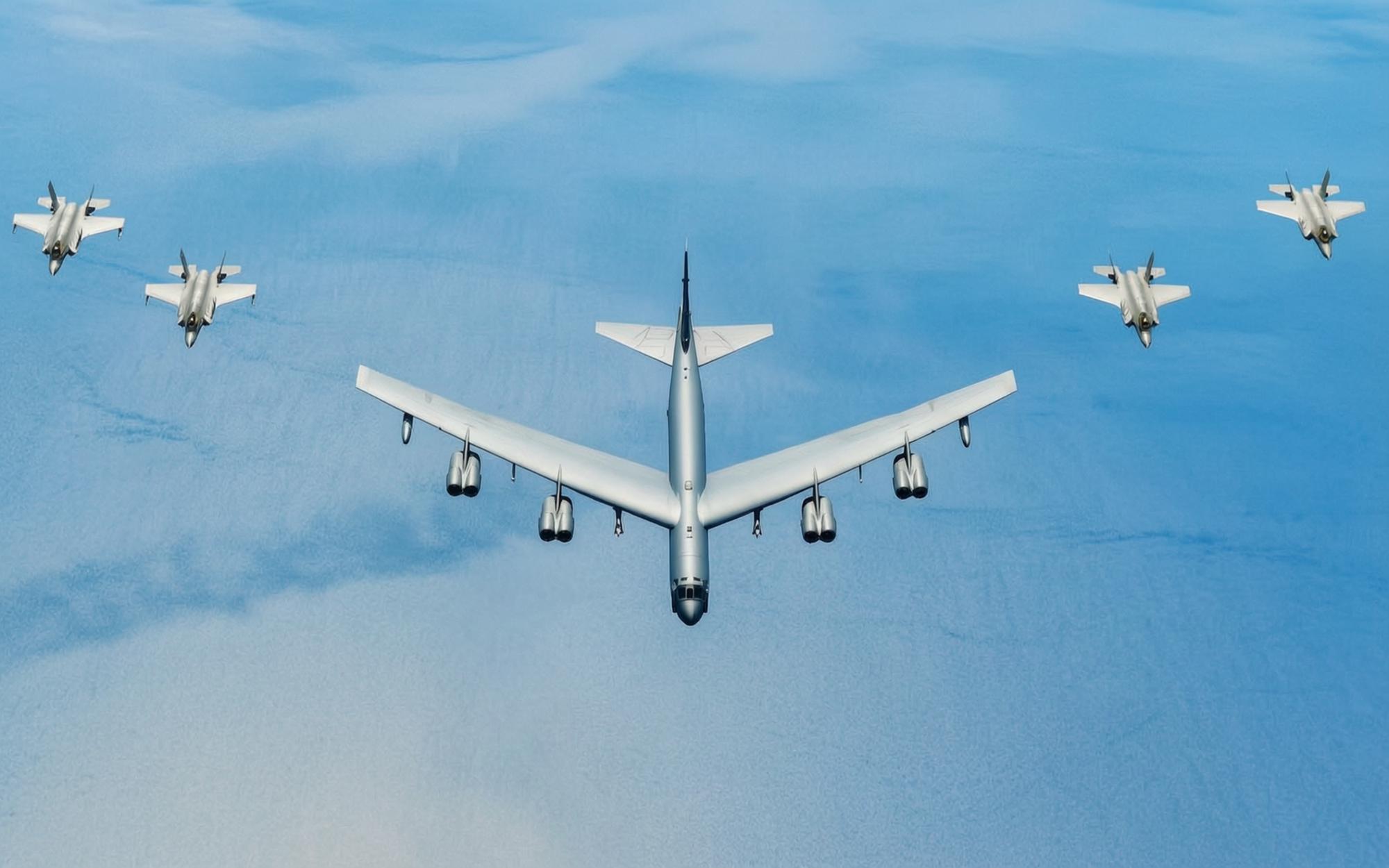
A devastating tragedy struck Edwards Air Force Base in California on Monday when a B-52 Stratofortress bomber went down shortly after takeoff, killing all eight individuals aboard.
The crash occurred during what officials described as a “routine test mission,” ending in fire and devastation for both the crew and the larger Air Force test community.
Air Force Chief of Staff Gen. Ken Wilsbach confirmed the grim news late Monday, offering a somber acknowledgment of the lives lost. “It is with profound sadness that we mourn the loss of eight teammates today at Edwards AFB,” Wilsbach said.
“My thoughts are with the bomber and test communities during this difficult time.” His words reflected not only grief but the deep camaraderie and sense of duty that define the Air Force’s elite test wings.
Air Force Secretary Troy Meink also released a statement mourning the loss, calling attention to the service and sacrifice of both military personnel and civilian experts who routinely push the envelope of aerial innovation.
“We mourn this loss and honor the service of our Airmen, civilians, and contractors who work every day to advance our mission,” Meink said.
The Secretary’s comments underscored how test operations, while often behind the scenes, are foundational to America’s warfighting edge.
According to the official timeline, the crash occurred at around 11:20 a.m. local time. The massive bomber went down shortly after takeoff and erupted in flames, leaving little hope of survival.
Emergency teams raced to the scene, but officials soon confirmed what everyone feared—the incident was not survivable.
Image Credit: DoW
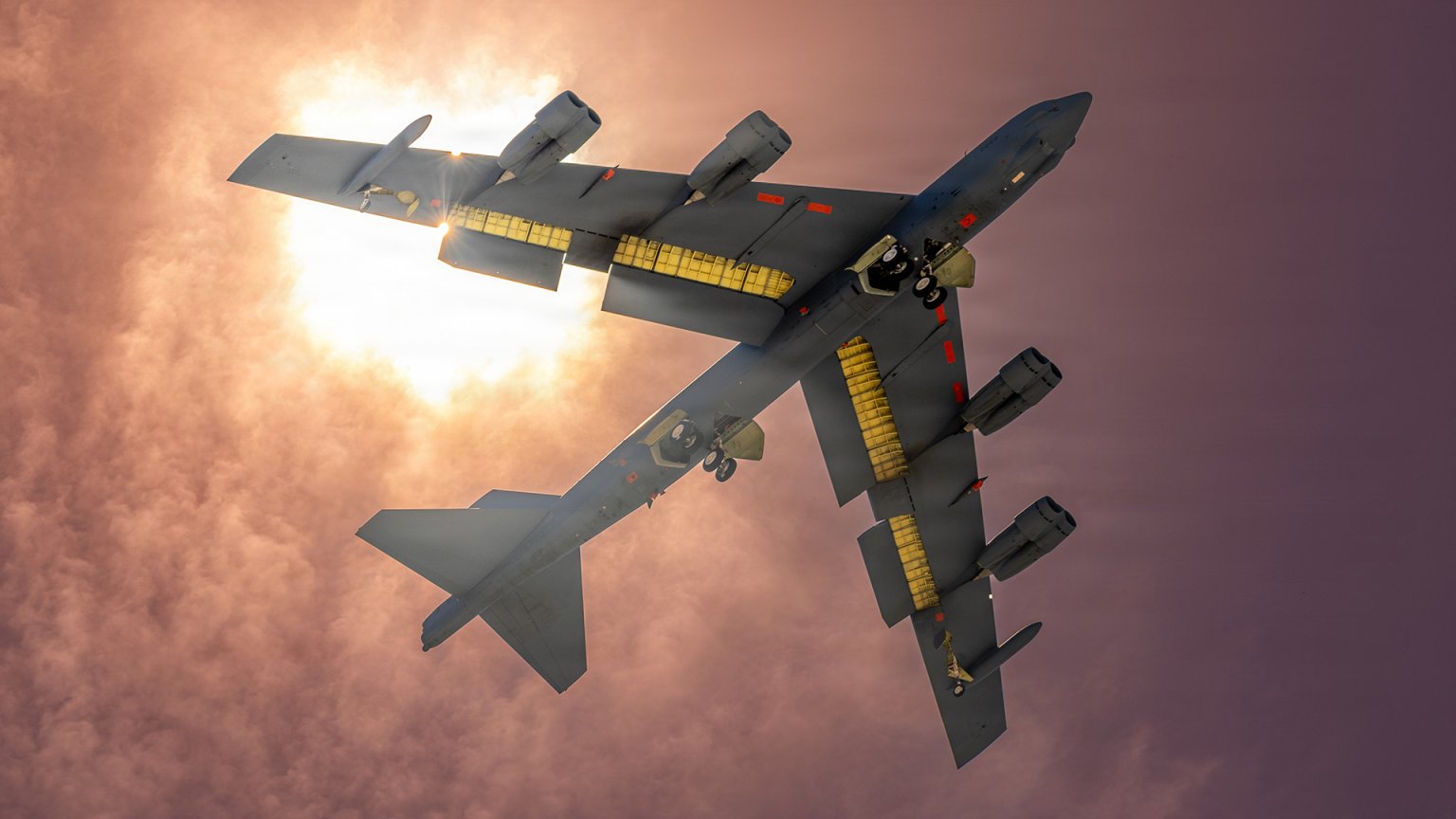
A B-52H Stratofortress from Edwards Air Force Base, California, departs for an evening test mission on Aug. 7, 2025. Air Force photo by Todd Schannuth.
At a Monday afternoon press conference, Edwards Deputy Commander Col. James Hayes clarified that the eight individuals aboard the B-52 were a mix of Air Force service members, government civilians, and contractors.
They were reportedly participating in a radar modernization program vital to keeping the Cold War–era bomber relevant in 21st-century combat operations.
The B-52 Stratofortress, despite its age, remains one of the crown jewels of American air power. Used by generations of U.S. warfighters, the aircraft endures because of ongoing programs to update its avionics, radar, and weapons capability.
The fact that this test mission was tied to such an update makes the loss doubly painful for the Air Force community.
Image Credit: DoW
Investigators have not yet identified the cause of the crash. Officials stated that an interim safety board is already working on scene, with a permanent Safety Investigation Board set to take over in the coming days.
That panel will eventually hand findings to an Accident Investigation Board, which will decide what information can be publicly released and shared with the victims’ families.
As of Monday evening, crews were still combing the crash site for data, including the plane’s black box, which will be critical to understanding what happened in those final moments.
Military leaders have also prioritized notifying next of kin before releasing the names of those lost—a process that was ongoing late Monday afternoon.
Image Credit: DoW
A U.S. Air Force B-52 Stratofortress aircraft refuels from a KC-135 Stratotanker aircraft over the U.S. Central Command area of responsibility, during Operation Epic Fury, March 26, 2026. (U.S. Air Force photo)
The B-52’s long service life has not come without tragedy or risk. Designed during the height of the Cold War, the bomber first flew in the 1950s and has undergone countless test flights ever since.
These missions are essential for advancing both modern warfare capability and pilot training, especially on a platform that will remain in use well into the 2050s. But as this heartbreaking incident shows, even the most experienced crews face danger in every flight.
The Edwards community, long known as the beating heart of Air Force flight testing, has faced its share of pain through the decades. From the days of Chuck Yeager breaking the sound barrier to today’s advanced research programs, test missions have always carried risk.
Monday’s crash adds a fresh wound to that storied legacy, reminding Americans of the price of innovation and national defense.
While many across the country mourn the lives lost, the message from leadership was clear: the mission continues.
That spirit of perseverance—of pushing forward even in tragedy—is something America’s warriors and test pilots understand all too well.
Image Credit: Beachside Stock
President Trump and War Secretary Pete Hegseth have consistently emphasized rebuilding the strength and readiness of all U.S. military branches, particularly air power and research infrastructure.
This incident will no doubt fuel renewed attention on support, modernization, and safety across the War Department’s testing programs, ensuring that those lost did not die in vain.
The names of the fallen will be released once families are notified, but at Edwards Air Force Base and across the entire Air Force family, the loss is deeply felt.
Every pilot, engineer, and airman knows the risks involved. Monday’s tragedy was a harsh reminder that the pursuit of American air dominance is never without sacrifice.
![U.S. Air Force Probes B-52 Near Miss with SkyWest Passenger Jet in North Dakota [WATCH]](https://www.commondef.com/wp-content/uploads/2025/07/2025.07.22-11.58-commondefense-687f7cce2cb27.avif)