Marines Get Individual Rooms in New Barracks at Camp Hansen Japan
Posted By
Common Defense
On
In
National Security,News |
No Comments
Junior Marines stationed at Camp Hansen in Okinawa are about to experience something their predecessors could only dream of: a little privacy and personal space.
The Marine Corps has unveiled brand-new barracks with individual bedrooms, a major upgrade from the traditional shared quarters that have long been the norm across the force.
The new six-story facilities, three in total, will house over 1,000 Marines and sailors near the shores of Kin Bay.
Last week, Marine Corps brass and local Japanese leaders held a ribbon-cutting ceremony to celebrate the milestone, marking what’s being called a new chapter in living standards for forward-deployed troops.
Each Marine will have his or her own bedroom connected to a shared kitchenette and bathroom. These rooms come complete with basic furniture, raised beds offering extra storage space, full-size windows, and in-unit washer and dryers—a practical touch, particularly appreciated after long training days in the Pacific humidity.
The complex has been designed to create both comfort and efficiency. Outside the buildings, there’s a 50-yard turf field for workouts, designated military gear cleaning areas, and even a dedicated parking garage and bike racks.
The Corps says the goal was not just to upgrade, but to modernize life on base and give Marines “a place to come home to.”
“This state-of-the-art facility will be replacing six other facilities on Camp Hansen,” said Maj. Gen. Brian N. Wolford, commanding general of Marine Corps Installations Pacific.
“This is the first domino that is starting the rest of the construction on Camp Hansen.” His message was clear: this effort is only the beginning.
Camp Hansen’s new barracks package is part of a broader push by the Department of War to revitalize military housing after years of neglect and deferred maintenance that have left too many service members in deteriorating conditions.
Image Credit: DoW
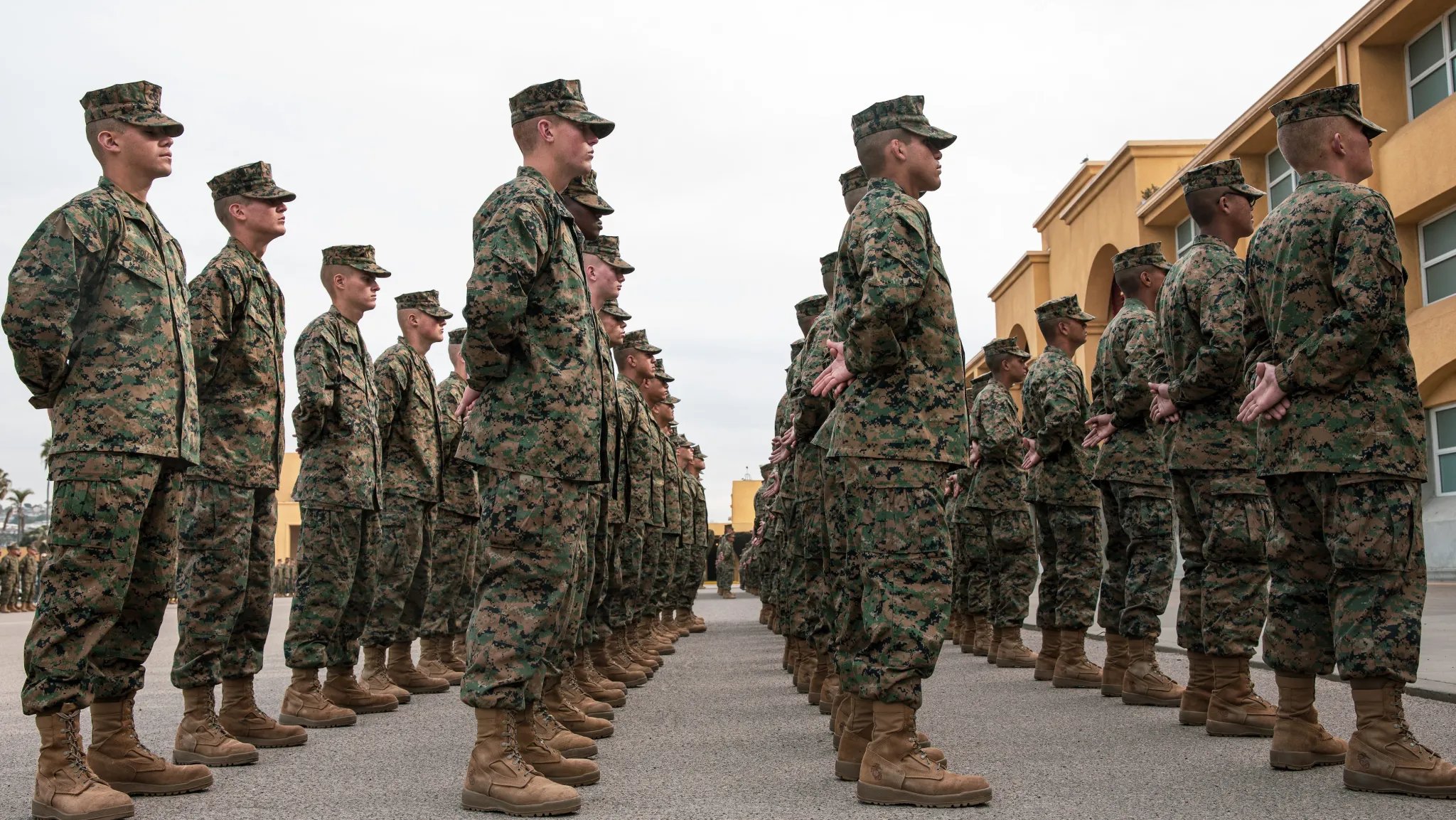
The Marine Corps issued new guidance that formalizes how units should respond when Marines go missing. Marine Corps photo by Cpl. Sarah M. Grawcock.
The Pentagon’s request for funding in recent years has focused heavily on rebuilding these facilities to support troop readiness and morale.
Photos released by the Marine Corps show bright, modern interiors with tile backsplashes, chrome countertops, and a clean, efficient layout. The design may not scream luxury, but compared to the dingy, cramped rooms of the past, it’s a night-and-day improvement.
The construction began in 2022 as part of a larger consolidation and base realignment effort across Okinawa.
For decades, U.S. installations on the island have represented a strategic forward defense position while simultaneously facing space constraints and local political sensitivities around base locations.
The upgraded facilities help consolidate resources, streamline operations, and demonstrate continued American investment in the Indo-Pacific region.
“This gives Marines a place to come back to and be present, a place of their own,” said Joseph Scala, Camp Hansen’s director. “We are building what we need to have for the future.”
Image Credit: DoW
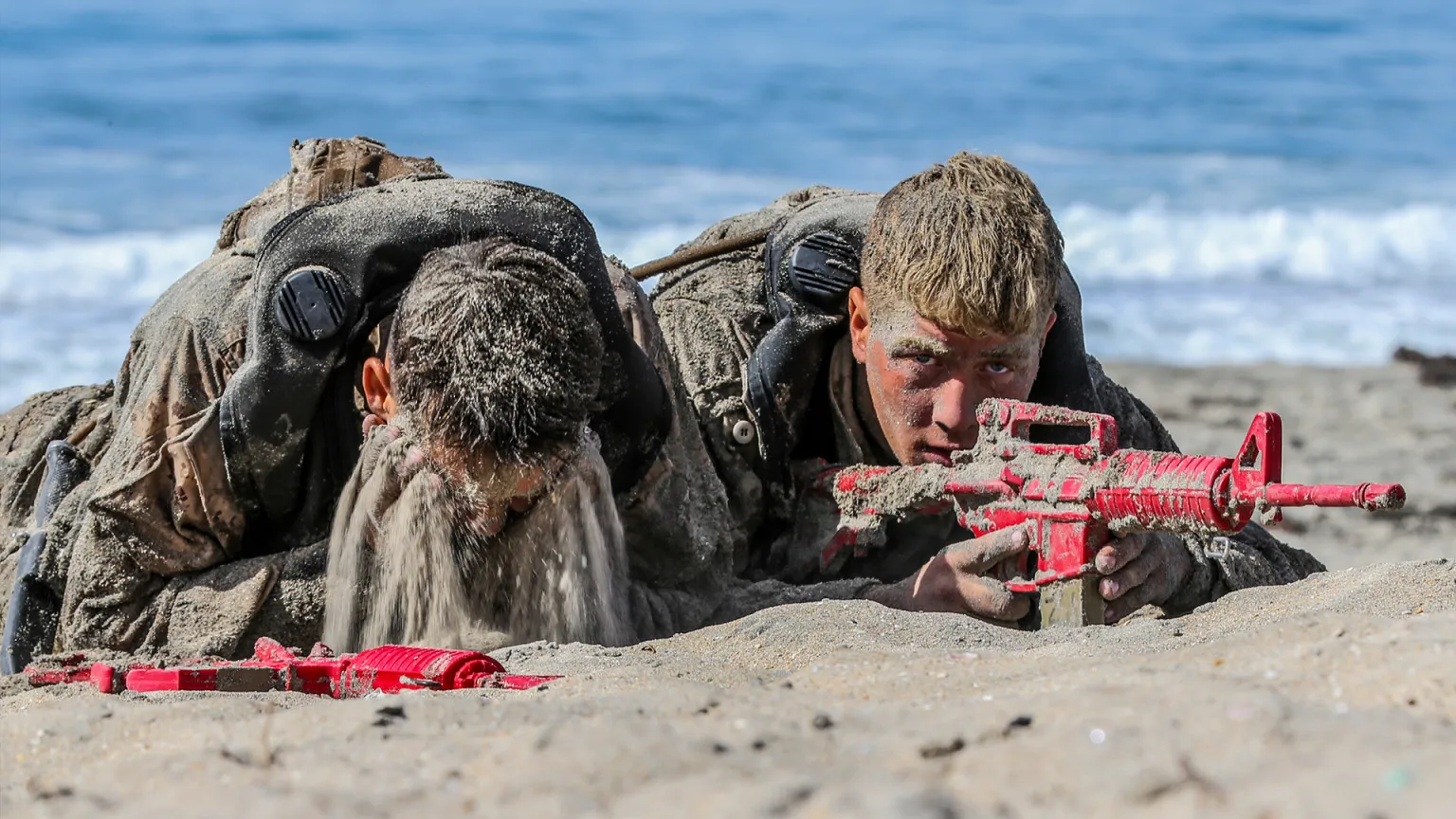
Two Marines in the Basic Reconnaissance Course at Naval Amphibious Base Coronado, California. Marine Corps photo by Lance Cpl. Andrew Cortez.
His statement speaks to more than just square footage—it’s about the Corps recognizing that a strong, modern fighting force also requires modern living standards.
Beyond creature comforts, these improvements serve a strategic purpose. Strong, well-maintained infrastructure directly impacts retention and readiness, two issues the War Department has been laser-focused on correcting after decades of costly inefficiency and bureaucratic bloat.
Under renewed leadership and a more mission-focused war doctrine, upgrades like those at Camp Hansen show that the new War Department under Secretary Pete Hegseth is willing to prioritize warfighter well-being instead of Beltway politics.
Critics will, no doubt, call it excessive, claiming Marines don’t need upgraded rooms to fight wars. But any veteran knows that morale matters.
Troops who can rest, recharge, and live without mildew-covered ceilings are better trained, better focused, and more capable when it counts. Even the toughest Marines can’t thrive in broken facilities held together with duct tape and borrowed time.
In the coming months, more projects like Camp Hansen’s are expected to break ground across multiple installations in the Pacific and continental United States.
Image Credit: DoW
The Marine Corps is considering creating an Infantry Scout primary military occupation specialty, or PMOS, for infantry Marines. Marine Corps photo by Cpl. Maksim Masloboev.
The Pentagon’s facilities modernization initiative is shifting from talk to real, brick-and-mortar action—a welcome change for a force that’s been living in Cold War leftovers for too long.
For the Marines awaiting their July move-in date, the difference will be dramatic. Maybe there’ll be fewer late-night phone calls echoing across the room, fewer battles over temperature controls and snoring bunkmates.
More importantly, there will be an affirmation that the Marine Corps is investing in its people, not just its equipment.
It’s a small change in the grand scheme of American power projection, but one that reflects a larger truth: you can’t field a world-class fighting force if you house it in substandard conditions.
The new Camp Hansen barracks send one clear message—the Corps is serious about taking care of its own.