
A decisive warning rippled across the Gulf of Oman Monday as a U.S. Navy Super Hornet fired a precision strike into an oil tanker attempting to defy America’s blockade against Iran.
The message was clear: the United States will not allow rogue maritime traffic to aid Tehran or undermine U.S. enforcement of sanctions.
According to U.S. Central Command, the Palau-flagged M/T Marivex ignored multiple directives from U.S. forces as it attempted to sail toward an Iranian port. The vessel had no cargo on board and was operating in international waters when it chose to test the resolve of U.S. naval patrols.
That decision turned out to be a serious mistake. The Super Hornet, flying from the USS Abraham Lincoln strike group, delivered a precision munition that disabled the ship’s engineering and steering compartments, effectively halting it in place.
“Marivex is no longer sailing to Iran,” read the statement from U.S. Central Command, a line that’s being quoted across the world as evidence that Washington’s military deterrence in the region remains fully operational and more than capable.
This was not an isolated event. The operation stems from a broader naval blockade first launched April 13 to impose strict maritime controls around Iranian waters.
U.S. forces have already intercepted or disabled seven noncompliant ships, a number that signals American persistence and tactical dominance in one of the world’s most volatile waterways.

Central Command added that over 100 vessels have complied with the blockade, voluntarily diverting course or awaiting inspection.
Meanwhile, ships carrying humanitarian supplies have been permitted to pass — forty-two in total — underscoring that the operation’s target is Tehran’s illicit trade, not the Iranian people.
The clarity of purpose and precision of execution have caught attention in both Washington and allied capitals. This mission is another example of the War Department maintaining American naval dominance while ensuring Iran’s destabilizing behavior encounters direct consequences.
Analysts say that Iran’s use of proxy routes and reflagged vessels to bypass restrictions has tested U.S. enforcement mechanisms.
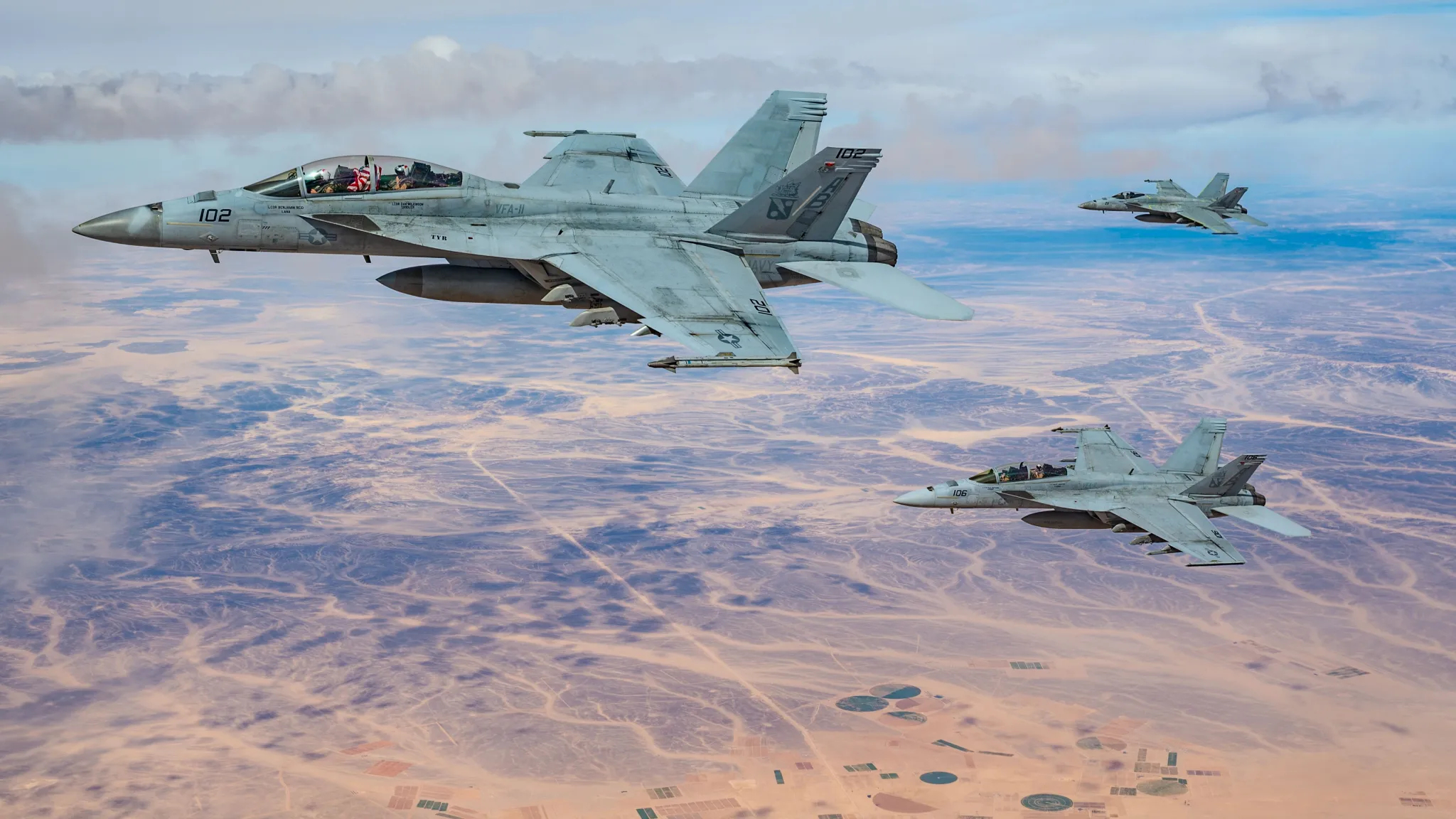
Monday’s strike signals that the testing is over. Under the Biden administration such responses were hesitant, but now, under renewed leadership focus on hard power, the U.S. military is backing words with action.
The USS Abraham Lincoln carrier group, operating in the area, has been maintaining freedom of navigation patrols while simultaneously enforcing the blockade.
The ship’s pilots, sailors, and support personnel are operating with precision that evokes the Navy’s best traditions of deterrent strength at sea.
Critics in the international press may whine about “aggression” or “escalation,” but let’s be clear: the Marivex was given multiple chances to comply.
It chose defiance. The result was swift, proportional, and entirely lawful under the mission’s rules of engagement.
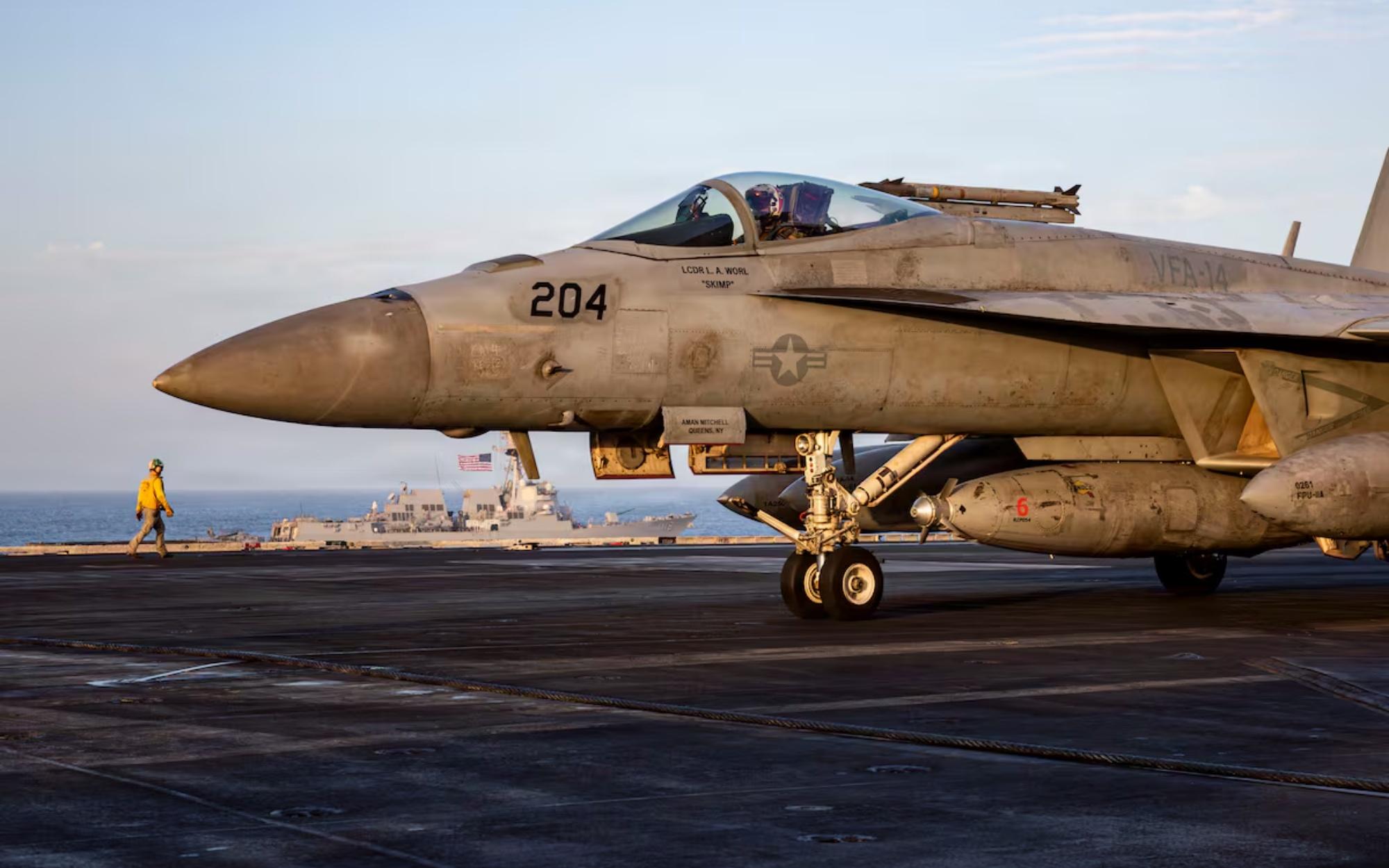
The Navy’s decisive action also serves a strategic messaging purpose. It reminds all actors — especially Iran’s Revolutionary Guard Corps and their maritime smuggling networks — that American enforcement is not symbolic. Steel does the talking. The days of empty rhetoric and unenforced red lines are over.
MORE NEWS: U.S. Greenlights Nearly $2 Billion Counter-Drone Sale to Kuwait Amid Rising Iranian Aggression
In the broader geopolitical sense, operations like this one secure not just international waters but global energy stability.
By cutting off illicit oil routes that fund Iranian aggression, the United States is protecting allies and averting future conflict. A strong America leads to a safer world — and that begins with dominance at sea.
The pilots aboard the Abraham Lincoln, the sailors on watch, and the planners at Central Command are executing a clear, lawful mission aimed at isolating Iran’s mischief.
They deserve credit for maintaining peace through overwhelming superiority, not the kind of bureaucratic caution that weakened deterrence in years prior.
The Gulf of Oman remains a flashpoint, but it is one now controlled by disciplined American hands.
Each operation, each interdiction, each successful strike builds a pattern of consequence for those who think they can outmaneuver U.S. resolve.
For the men and women wearing the uniform, moments like these reaffirm that America’s Navy remains unmatched, unyielding, and unstoppable when the mission calls for force. That’s how deterrence works — not through talk, but through precision fire from the sky.
The opinions expressed by contributors and/or content partners are their own and do not necessarily reflect the views of RobManess.com. Contact us for guidelines on submitting your own commentary.
Join the Discussion
COMMENTS POLICY: We have no tolerance for messages of violence, racism, vulgarity, obscenity or other such discourteous behavior. Thank you for contributing to a respectful and useful online dialogue.