Pentagon Walks Back Religious List After Backlash, Admits ‘Mistake’
Posted By
Common Defense
On
In
National Security,News |
No Comments
The Pentagon is once again eating its words after a public and political backlash over its newly revised list of officially recognized faiths[1] that inexplicably left The Church of Jesus Christ of Latter-day Saints out of the Christian category.
Following sharp criticism from President Donald Trump’s allies in Congress, the War Department has now backpedaled, calling the omission a “mistake.”
Initially, the bureaucrats at the Department of War planned to slash their list of faith affiliations from more than 200 to a meager 31.
The change, supposedly aimed at streamlining chaplain paperwork, somehow managed to offend millions of faithful Americans.
Even for a government notorious for bloated bureaucracy and tone-deaf decision-making, this one hit a new level of absurdity.
Sen. Mike Lee of Utah, a steadfast Trump ally and defender of religious liberty, didn’t waste time taking the issue up the chain of command.
He directly raised the matter with the president, arguing that it’s not the government’s job to mediate theological disputes or decide which Christian denominations count as “real” Christians.
“That’s not what America is about,” Lee emphasized to reporters last week.
Lee wasn’t alone. Sen. John Curtis and Rep. Mike Kennedy, both fellow Republicans from Utah, pressed Secretary of War Pete Hegseth to correct the oversight.
The three lawmakers made it clear: faith classifications are no place for bureaucratic meddling.
By Monday, the Pentagon finally issued a statement admitting error. The department claimed that it had removed “unnecessary labeling” and that “the mistake has been fixed.”
In bureaucratic language, that’s an about-face.
The new “Religious Affiliation Codes” eliminate the subcategories that previously grouped certain denominations together under broader labels like “Christian.”
In doing so, the War Department avoided having to explicitly include or exclude any denomination, particularly the Latter-day Saints, which became a flashpoint in the original update.
Instead, the updated list simply places all faith options — from Baptists and Catholics to Mormons, Muslims, Jews, Buddhists, Hindus, Sikhs, agnostics, and even those claiming “no religion” — side by side. No hierarchy, no categories, and no government-driven definitions of faith.
Image Credit: DoW
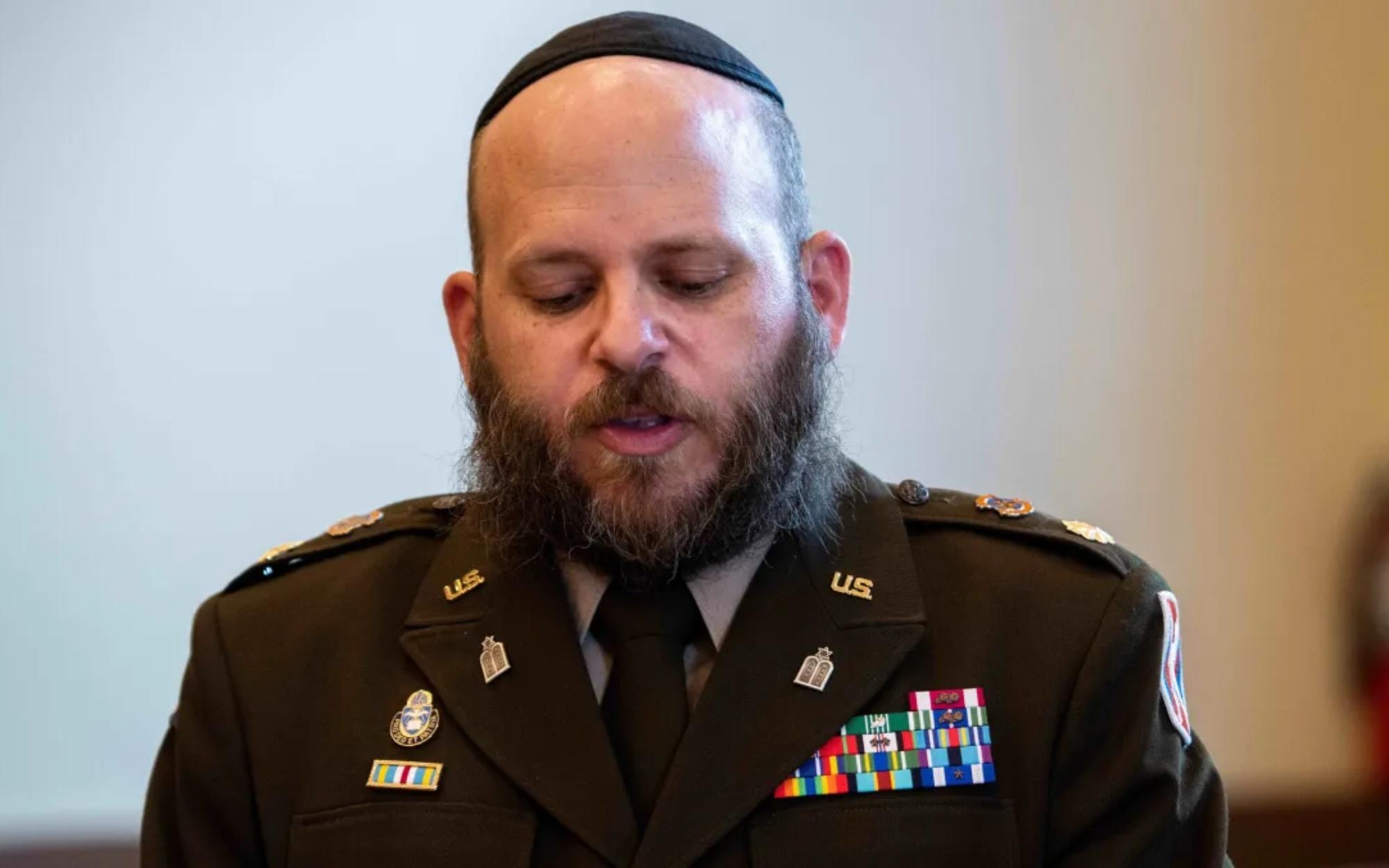
Soldiers seeking a religious waiver for grooming and uniform standards must swear under oath to “sincerely held religious beliefs.” Air Force photo by Sarayuth Pinthong.
Under Secretary of Defense Anthony Tata signed the May 20 memo implementing the changes, claiming that the revisions would make it easier for military chaplains to understand and meet the spiritual needs of their troops.
The memo explains that the codes will help chaplains “deliver religious support consistent with [each soldier’s] faith and practices” rather than elevate some beliefs above others.
Pentagon spokesman Sean Parnell defended the new approach as administrative streamlining, not a theological judgment.
“This decrease in religious affiliation codes is not designed to make any claims on the legitimacy of any faith or religious belief,” Parnell said Friday. “Rather, it is designed to allow chaplains to quickly look at the religious composition of their units and determine how they structure resources to best provide for warfighters of all faith groups.”
Critics, however, are skeptical. Many on the right question why the original list singled out the LDS Church in the first place and whether internal bureaucratic agendas — not “efficiency” — were behind the shift. As usual, it took conservative leadership to set the record straight.
Service members themselves won’t see any changes to their individual rights.
Troops can still include whatever faith identity they choose on their dog tags, regardless of what the Pentagon’s spreadsheet says. For the men and women in uniform, it’s their belief — not some administrator’s checkbox — that matters.
Secretary of War Pete Hegseth, previewing the policy in March, also announced a symbolic change on the horizon: the standard officer rank insignia worn by chaplains will soon be replaced with religious insignia. Hegseth made it clear that military chaplains are “first and foremost called and ordained by God.”
Their uniforms, he said, should reflect divine calling before bureaucratic rank.
For many troops, that message hit home. In an era where the left wields “diversity, equity, and inclusion” like a hammer, having a War Secretary emphasize faith and calling is a welcome reprieve.
Hegseth’s direction reminds soldiers that spiritual strength and moral clarity remain central to America’s warrior ethos.
The new list, and the Pentagon’s quick retreat, highlight the broader tension between military leadership that wants to appear politically correct and those like Hegseth who see faith as foundational to the force’s moral fabric.
When bureaucrats try to sanitize religion out of the rank and file, they often discover — as they did this week — that faith warriors do not back down easily.
The changes are expected to roll out systemwide by mid-July. Whether this marks a genuine correction or just another round of DC cleanup remains to be seen.
But one thing’s clear: under the watch of Trump-aligned leaders and principled lawmakers, the Pentagon won’t be allowed to quietly rewrite the spiritual identity of America’s fighting men and women. Not without a fight.