The United States has approved a major foreign military sale to Kuwait worth nearly $2 billion, aimed squarely at boosting the small Gulf nation’s ability to fight back against escalating Iranian drone and missile threats.
The timing of the sale isn’t coincidence — it comes on the heels of another reckless Iranian attack on Kuwait’s infrastructure, underscoring the growing danger the regime in Tehran poses to American allies across the Middle East.
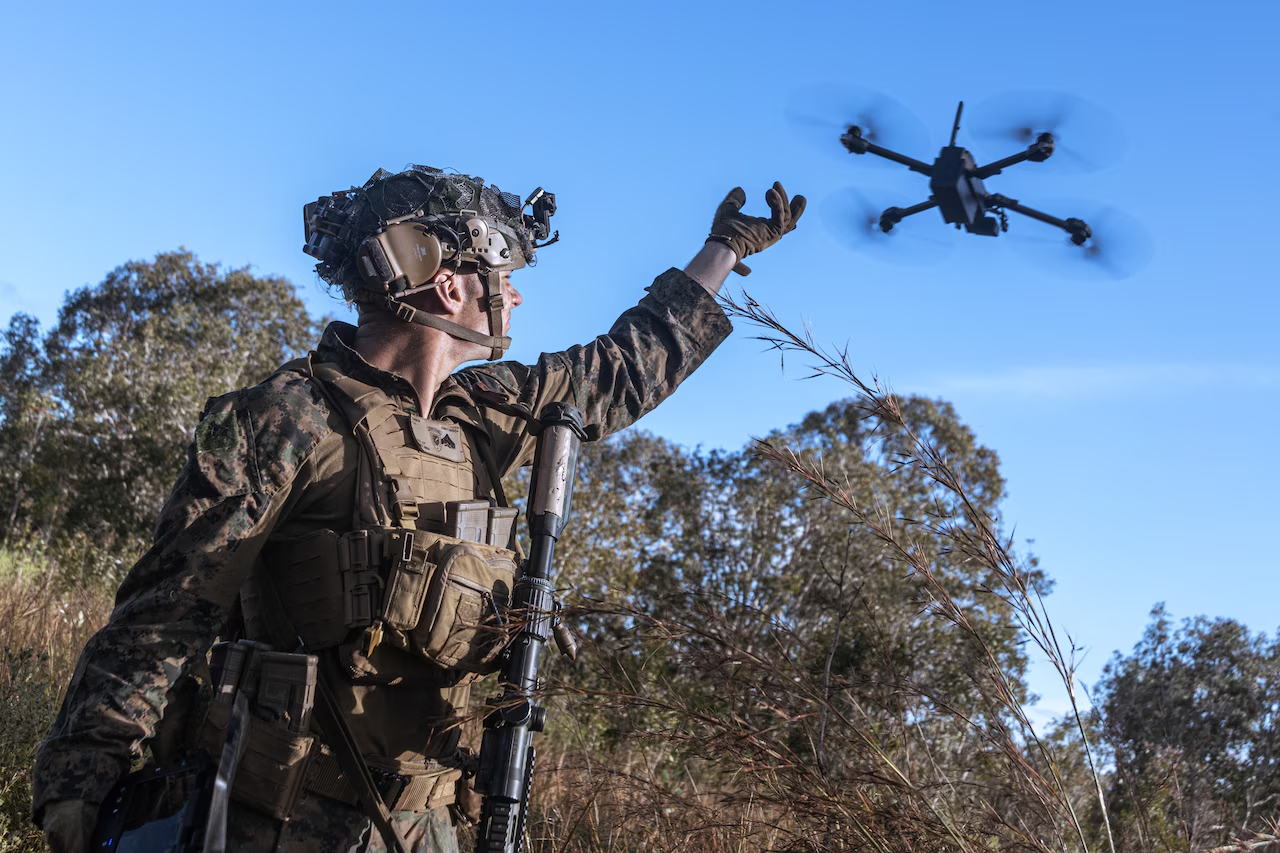
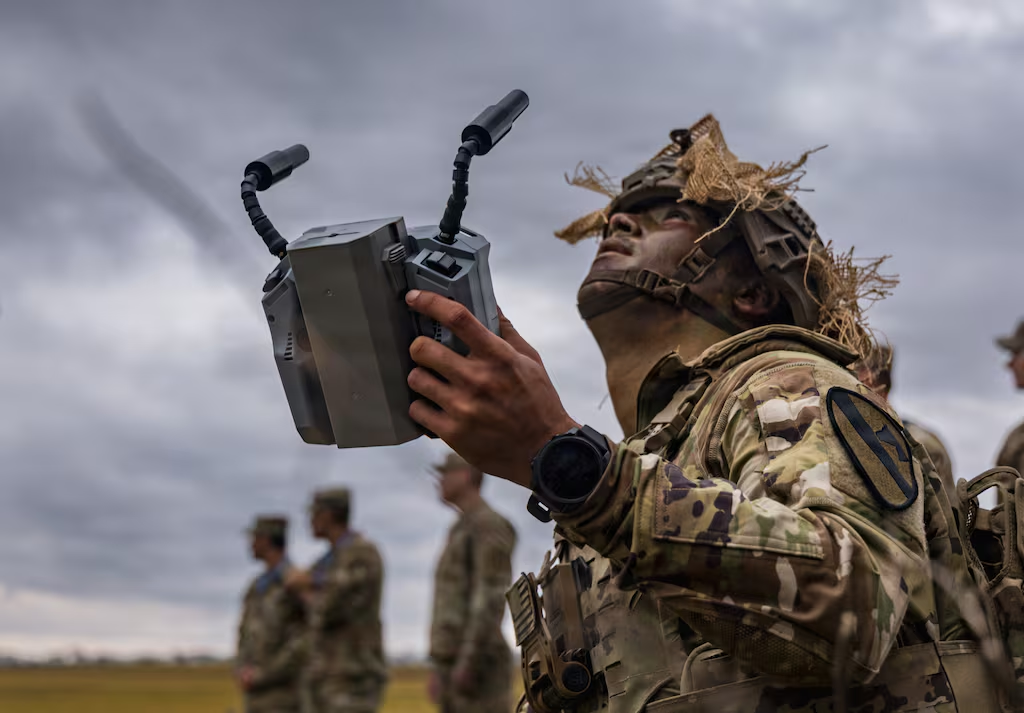
According to the U.S. Department of State, the sale includes advanced counter-unmanned aerial systems built by defense technology powerhouse Anduril.
The package is designed to give Kuwait cutting-edge capabilities to detect, track, and destroy enemy drones — a must-have in a region where Iran’s unmanned weapons are increasingly being used as instruments of terror and intimidation.
A statement released Friday by the State Department described the proposed transaction as “supporting the national security objectives of the United States by strengthening the security of a major non-NATO ally.”
Kuwait has been a consistent partner in maintaining relative stability in an otherwise chaotic region, and this sale underscores Washington’s commitment to keeping it that way.
The urgency of the sale can’t be overstated. On June 3, Iran launched a drone and missile attack that struck Kuwait International Airport, killing one person and injuring over sixty others.
It was another bloody reminder of how Iran’s aggression continues to ripple through the Gulf, targeting civilian populations and choking key travel and commerce hubs.
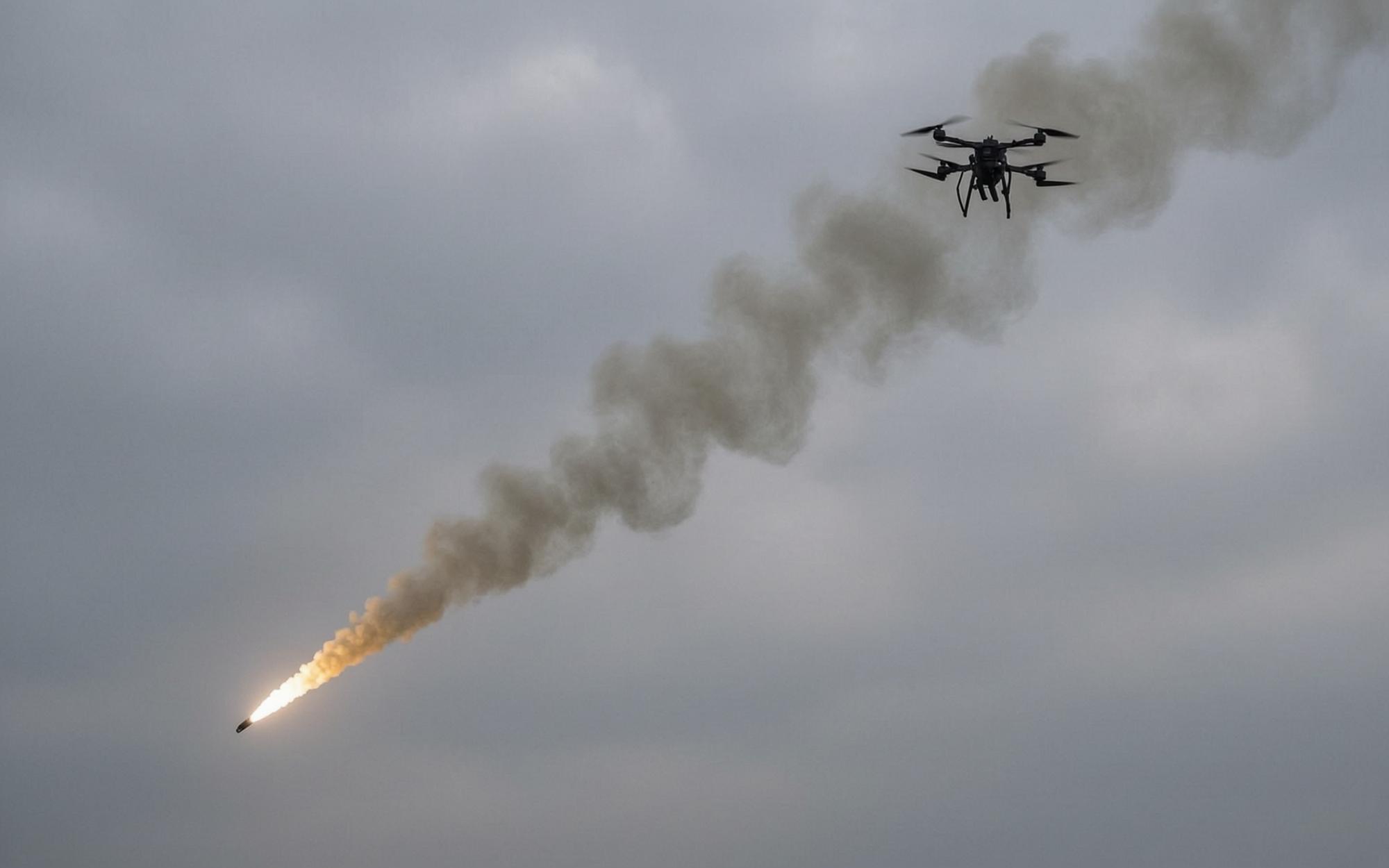
Just three days later, Iran’s Revolutionary Guard Corps bragged about launching additional “retaliatory” attacks aimed at U.S. bases in Kuwait and Bahrain.
While the attacks did not result in American or partner casualties, they did inflict minor material damage. The act was clearly a signal — Tehran isn’t finished, and it’s getting bolder.
The Gulf remains on edge, with several nations suffering strikes during the fragile ceasefire period and U.S.–Iran talks dragging on regarding the future of regional security and the opening of the Strait of Hormuz.
The spiraling tensions are inflaming demands for stronger local defenses, and Washington seems to be listening at last. This sale, valued at roughly $1.98 billion, sends a clear message: Iranian drones won’t go unchecked anymore.
While the systems Kuwait will receive were described by the State Department as “non-major defense equipment,” the tech is anything but insignificant.
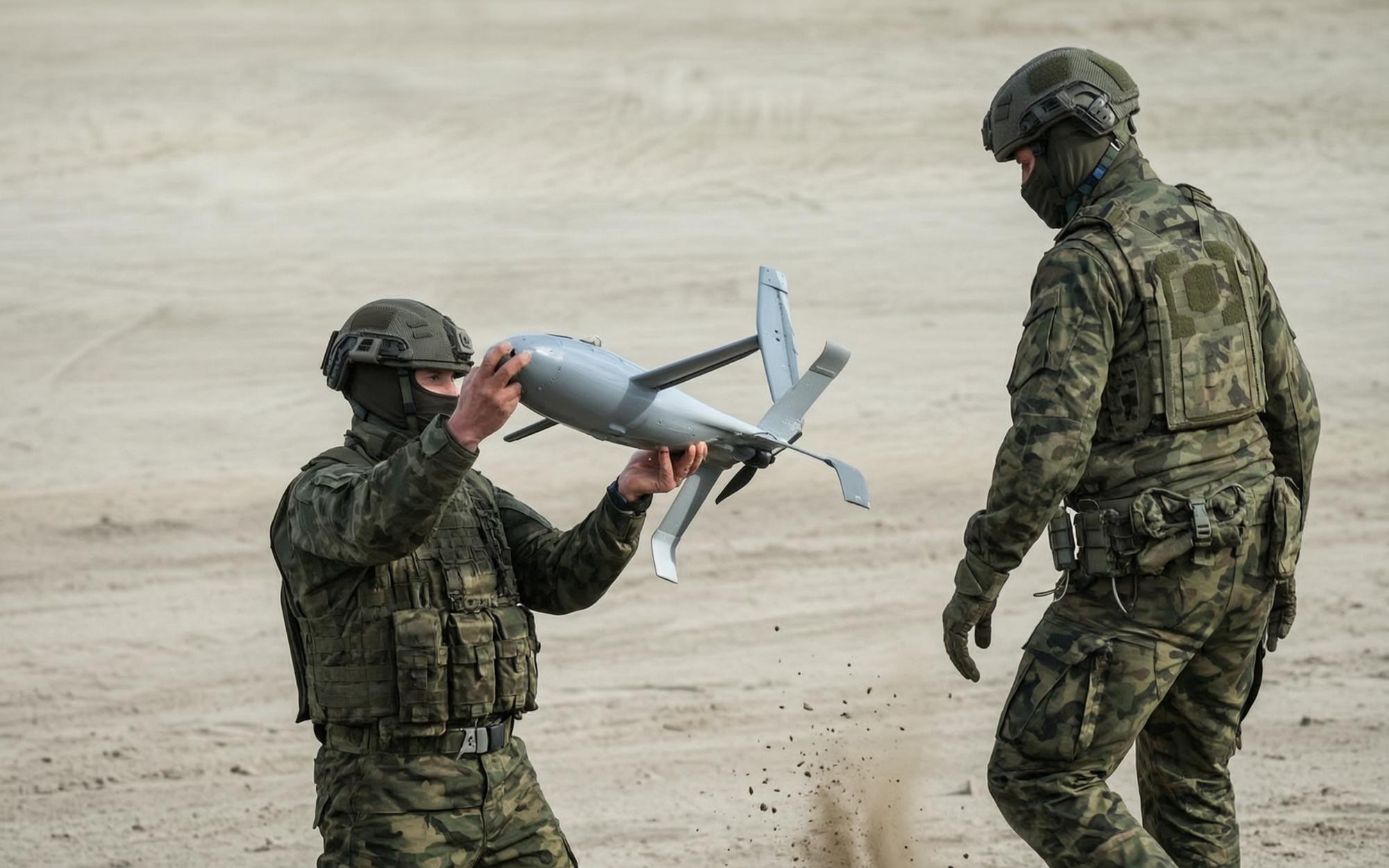
The sale covers lattice command and control infrastructure, training programs for Kuwaiti personnel, and software development — an end-to-end system that provides both electronic and kinetic options to “defeat” unmanned aerial threats.
The Biden administration’s late recognition of the seriousness of the Iranian drone threat comes after years of hesitation to confront Tehran in a meaningful way.
Republican leaders have been calling out that weakness for months, urging stronger support for Gulf allies. The approval of this latest deal might signal the Pentagon is finally coming around to the reality that American deterrence in the region needs teeth.
Iran’s drone capabilities have expanded rapidly in recent years, with Tehran exporting them to militias and terror proxies across the Middle East.