Precision counterstrikes rang out across Iran late Friday as the United States targeted Iranian missile, drone, and radar sites following Tehran’s latest act of aggression in the Strait of Hormuz.
According to U.S. Central Command, the strikes came in direct response to Iran’s attack on the Singapore-flagged cargo ship M/V Ever Lovely, which was hit by a one-way drone while sailing along the coast of Oman on Thursday.
This latest escalation followed what many analysts already warned—a ceasefire agreement that Iran never intended to honor.
The War Department confirmed that Iran’s assault on a civilian vessel violated the two-month ceasefire accord inked just last week, which was meant to reopen the vital shipping route for global trade.
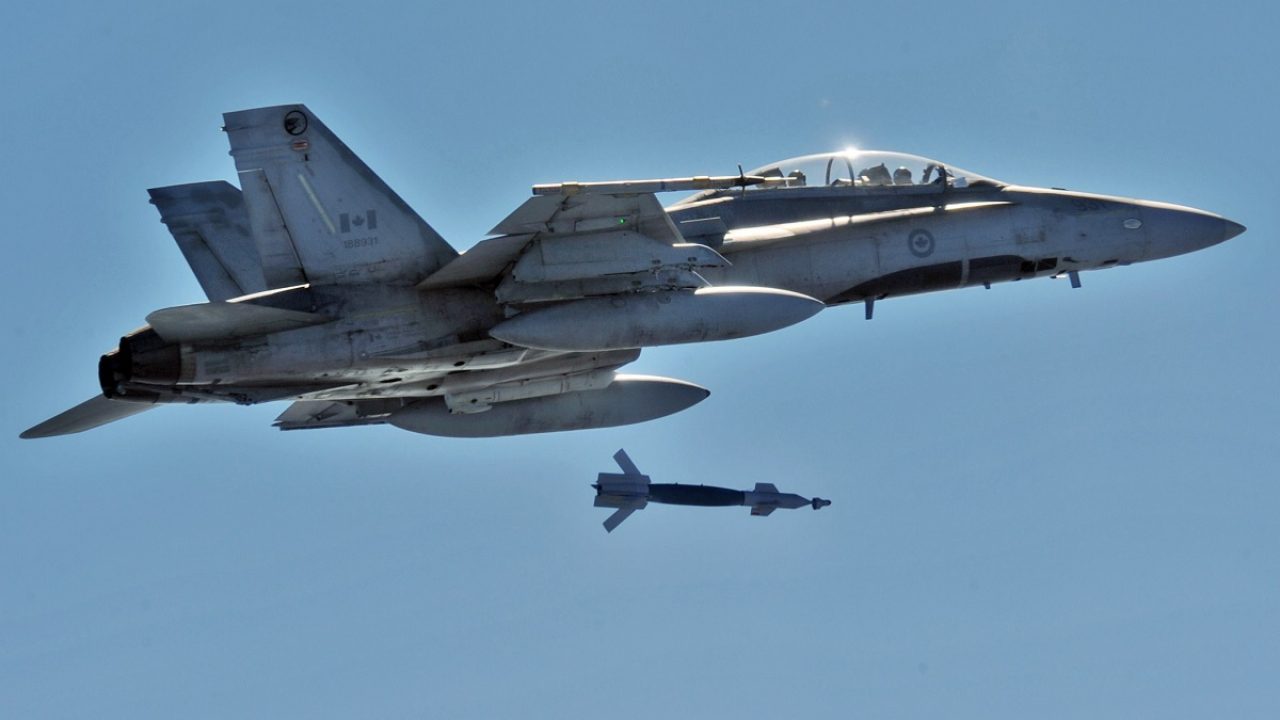
Military sources said the American response was swift and targeted, striking precisely at the Iranian facilities responsible for coordinating and launching attack drones and missiles.
“We met hostility with strength,” a senior U.S. official said, emphasizing that deterrence requires clarity and power, not indulgence and appeasement.
Officials confirmed that the strikes included command-and-control infrastructure, radar installations supporting drone tracking, and missile stockpiles positioned near the southern Iranian coast.
CENTCOM described the operation as “a proportional but decisive response designed to safeguard international maritime flow.”
The Strait of Hormuz, long a flashpoint for Iranian provocations, remains a nerve center for global energy transport. Nearly a fifth of the world’s oil supply transits through this narrow chokepoint, making any conflict there a direct threat to the global economy—and to American interests.
With Iran’s Revolutionary Guard Corps (IRGC) operating fast-attack boats, drones, and shore-based missiles in the area, stability has always hinged on the willingness of the U.S. military to stand firm.
Friday’s action sends an unmistakable message: the United States will not sit idle while Tehran tries to destabilize international trade or challenge freedom of navigation.
Despite Iran’s signature on a ceasefire document just days ago, the pattern of deception and intimidation remains alive and well in Tehran’s corridors of power.
Critics of previous U.S. administrations point out that years of half-measured policies gave Iran space to test and push boundaries. That era appears to have run its course.
Under the current leadership, Washington’s posture has shifted decisively toward unapologetic deterrence backed by credible force projection—a return to peace through strength.
Sources familiar with the operation say the strikes were planned with careful coordination to minimize civilian risk while maximizing the impact on Iranian military assets.
Initial assessments from reconnaissance drones and naval aircraft showed multiple successful hits, with several facilities reportedly engulfed in secondary explosions.
Iranian state-run media quickly attempted to downplay the damage, claiming “minor impacts” and asserting that “operations continue as normal.”
However, analysts familiar with regional intelligence indicate that at least three radar locations and multiple drone launch facilities were damaged beyond immediate repair.
Maritime insurance rates in the Gulf have steadily risen since the attack on the Ever Lovely, and several shipping companies temporarily rerouted vessels pending full restoration of security in the strait.
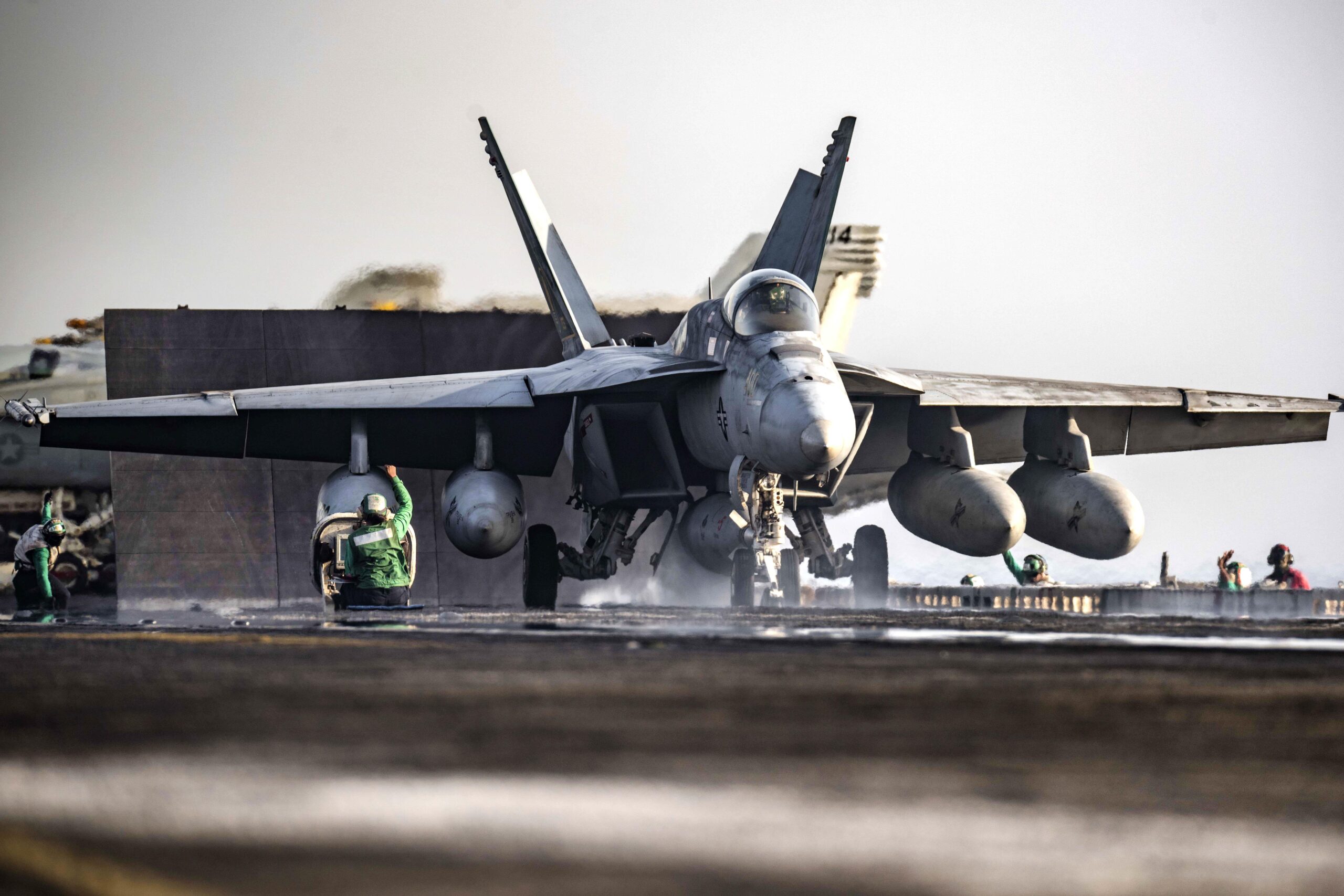
The War Department reaffirmed that U.S. naval assets in the region—led by carrier-based aircraft and guided missile destroyers—remain on alert and capable of engaging any further threats.
Regional allies welcomed the show of force. Leaders in Bahrain and the United Arab Emirates privately expressed support, viewing America’s action as essential to preserving regional stability.
“Iran’s aggression cannot go unanswered,” one Gulf official commented anonymously. “U.S. strength protects not only freedom of commerce but the peace we all rely on.”
As of Saturday morning, Iranian military officials had not announced any formal retaliation, though defense analysts caution that Iran’s pattern of proxy operations—particularly through militias in Iraq, Syria, and Yemen—could signal asymmetrical responses in the weeks ahead. U.S. forces across the region have reportedly increased alert levels accordingly.
The Biden-era restraint that many saw as indecision is being replaced by a higher tempo of operational readiness, precision retaliation, and strategic clarity.
The new War Secretary Pete Hegseth’s firm stance on American deterrence appears to be resonating across the ranks, reinforcing that rogue states will face real consequences when they endanger global stability.
With this latest strike, the message is clear: attacks on international shipping and disregard for ceasefires will be met not with empty words but with the unmistakable reach of American firepower. Iran picked the wrong fight—again.