U.S. Troops and Families Grapple with Relentless Strain of Iran War Stalemate
Posted By
Common Defense
On
In
National Security,News |
No Comments
Fourteen weeks since President Trump’s decisive strike on Iran, the U.S. military finds itself fighting a war that’s neither all-out nor over — a drawn-out stalemate testing the grit of America’s warriors and their families like never before.
It isn’t “peace time” by any stretch, yet it isn’t an all-consuming battle either.
It’s a tense holding pattern where something could explode any moment.
Across American ships and bases scattered in the Middle East, troops continue to face sporadic Iranian attacks.
Naval forces remain on high alert, maintaining an iron blockade on Iranian ports as Tehran lashes out with drones and missiles at U.S. allies like Bahrain and Kuwait. Even with a declared ceasefire on paper, the battlefield has hardly cooled.
The War Department has had to pivot from fast, high-intensity operations to a grinding war posture requiring constant readiness.
Munitions stockpiles have been severely depleted, forcing production surges back home. Every factory, every supplier in the chain is under pressure. Just as the Trump administration warned, America can’t afford complacency in deterrence.
The Iranian regime continues its trademark belligerence, firing missiles across the Gulf and boasting of phantom victories in its captive media.
Whether it’s a real attack or propaganda stunt, Iran’s tactics keep U.S. troops in constant danger. For America’s military families, it’s a state of perpetual suspense, wondering when another headline or text message will upend their world.
U.S. officials have described this “persistent high alert” as one of the most taxing missions ever undertaken.
Image Credit: DoW
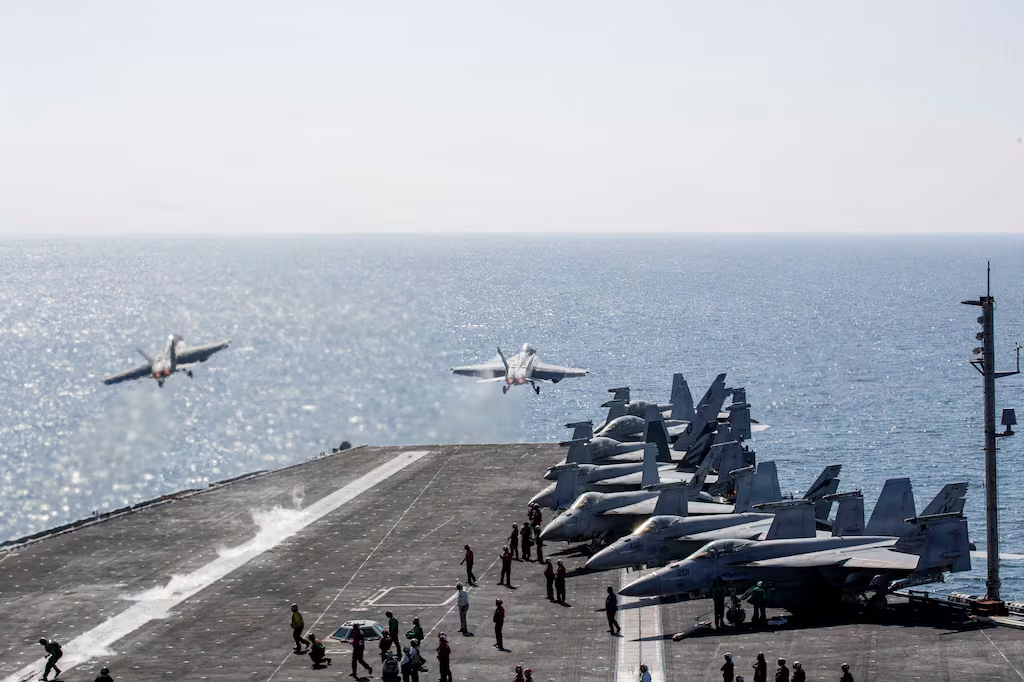
Two F/A-18 Super Hornets launch from the aircraft carrier USS Abraham Lincoln in support of the Operation Epic Fury on March 3, 2026. (U.S. Navy)
“To maintain this constant state of ‘Level 10’ alert vigilance, to be ready to go at the drop of a hat, is a very stressful and difficult operational mission,” said one U.S. military official. Few would argue that point.
Former Central Command leader Joseph Votel went further, calling this a “very, very dangerous period” — a strategic purgatory where both sides sit ready for war but the first mistake could ignite a regional inferno.
“It puts a lot of pressure on leaders to make sure people are still at their edge,” Votel said, acknowledging the heavy burden on commanders and troops alike.
War Secretary Pete Hegseth and the War Department have been quick to praise the troops carrying that burden.
Top spokesman Sean Parnell hailed the armed forces’ “courage, readiness, grit, and unmatched professionalism” — qualities, he said, that make them “the greatest fighting force in human history.” The sentiment has resonated deeply across bases and barracks as Americans brace for what could become a multi-year standoff.
Image Credit: DoW
Army soldiers fire M142 High Mobility Artillery Rocket Systems (HIMARS) as part of Operation Epic Fury. Army photo.
For many wounded warriors, the battle’s aftermath lingers long after the explosions have faded.
Army Reserve Sgt. 1st Class Cory Hicks, hit by an Iranian drone blast early in the conflict, flatlined before medics revived him. Shrapnel tore through his body, fracturing his jaw and cutting an artery. He now faces a lifetime of challenges from traumatic brain injury. His story captures the cost of Iran’s cowardly attacks and the resilience of those who survive them.
Speaking from Walter Reed Medical Center, Hicks recounted how the drone’s approach sounded “like a small prop plane coming in quick” before turning the building into fire and metal.
Walter Reed, long quiet since Iraq and Afghanistan, is now bustling again — proof that America’s servicemembers are once again carrying the load of global freedom.
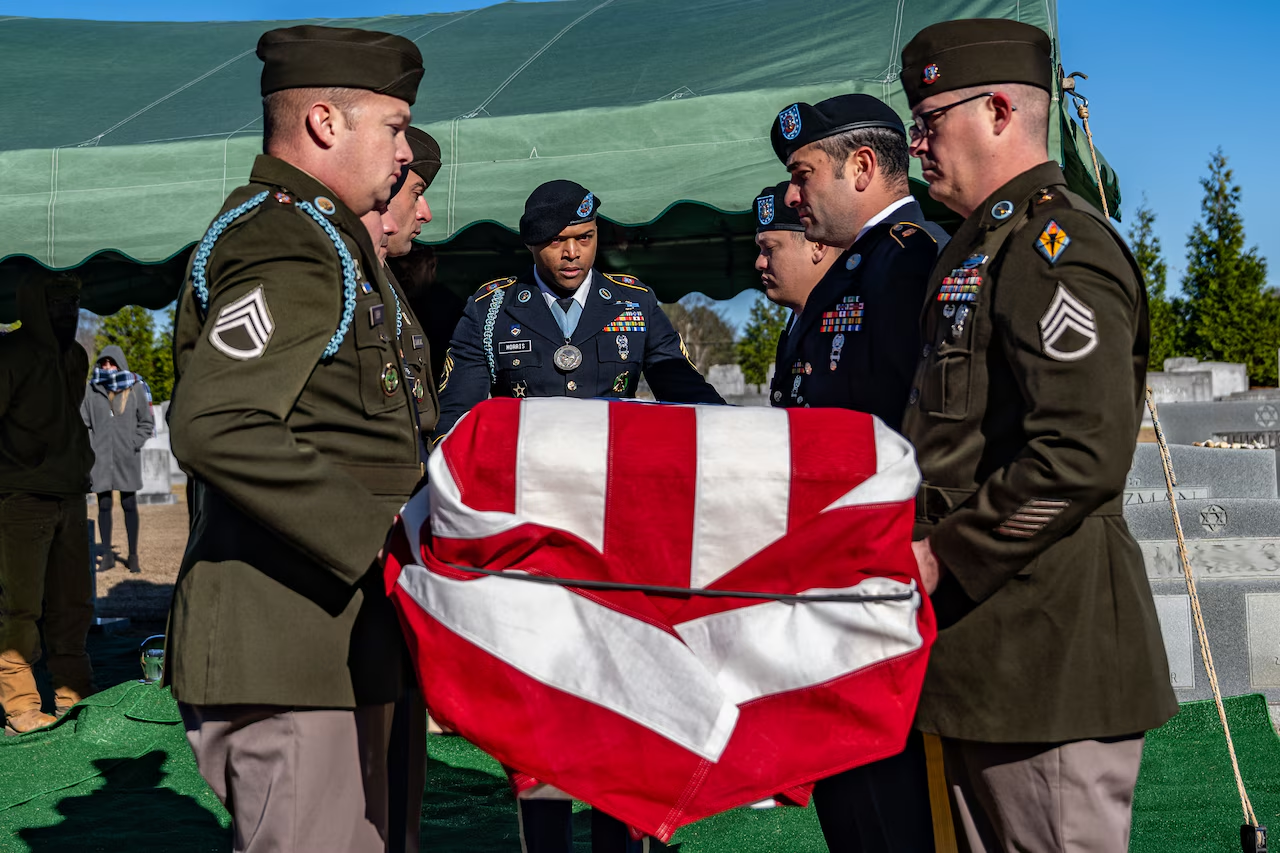
Roughly 400 Americans have been injured since hostilities erupted, many suffering brain trauma, but over 90% have already returned to duty. Thirteen have made the ultimate sacrifice. That kind of courage should humble every politician enjoying freedom at home while these heroes endure the line of fire.
Meanwhile, families on U.S. soil adjust to uncertainty. Iranian propaganda brags about attacking American ships, and though those claims are mostly fiction, the unease they cause is real.
Image Credit: DoW
“It’s just really scary not to know details of what exactly is going on,” said Yadira Dessaint, mother of a deployed Army Reserve sergeant. Like so many parents, she clings to short text exchanges that remind her son is still alive.
Despite a vocal few calling for retreat, more Americans are beginning to understand that firm resolve — not withdrawal — keeps Tehran’s extremists in check.
Iran’s regime is watching for weakness, and President Trump’s steady hand is the reason the ceasefire hasn’t completely collapsed. The threat remains, but America’s strength is still unmatched.
Negotiations to reopen the Strait of Hormuz could prolong the fragile peace, yet experts warn the mullahs will never play fair. Tehran’s nuclear ambitions still loom large, and any pause in fighting could simply buy them time. For U.S. troops, the grind continues with no clear end in sight.
War Secretary Hegseth acknowledged the challenge of this prolonged fight, warning it could take years to rebuild weapons inventories exhausted by the pace of operations.
Analysts like Tom Karako note that “wars are expensive” in both machinery and morale. America’s warfighters are enduring both costs with stoic professionalism.
Image Credit: DoW
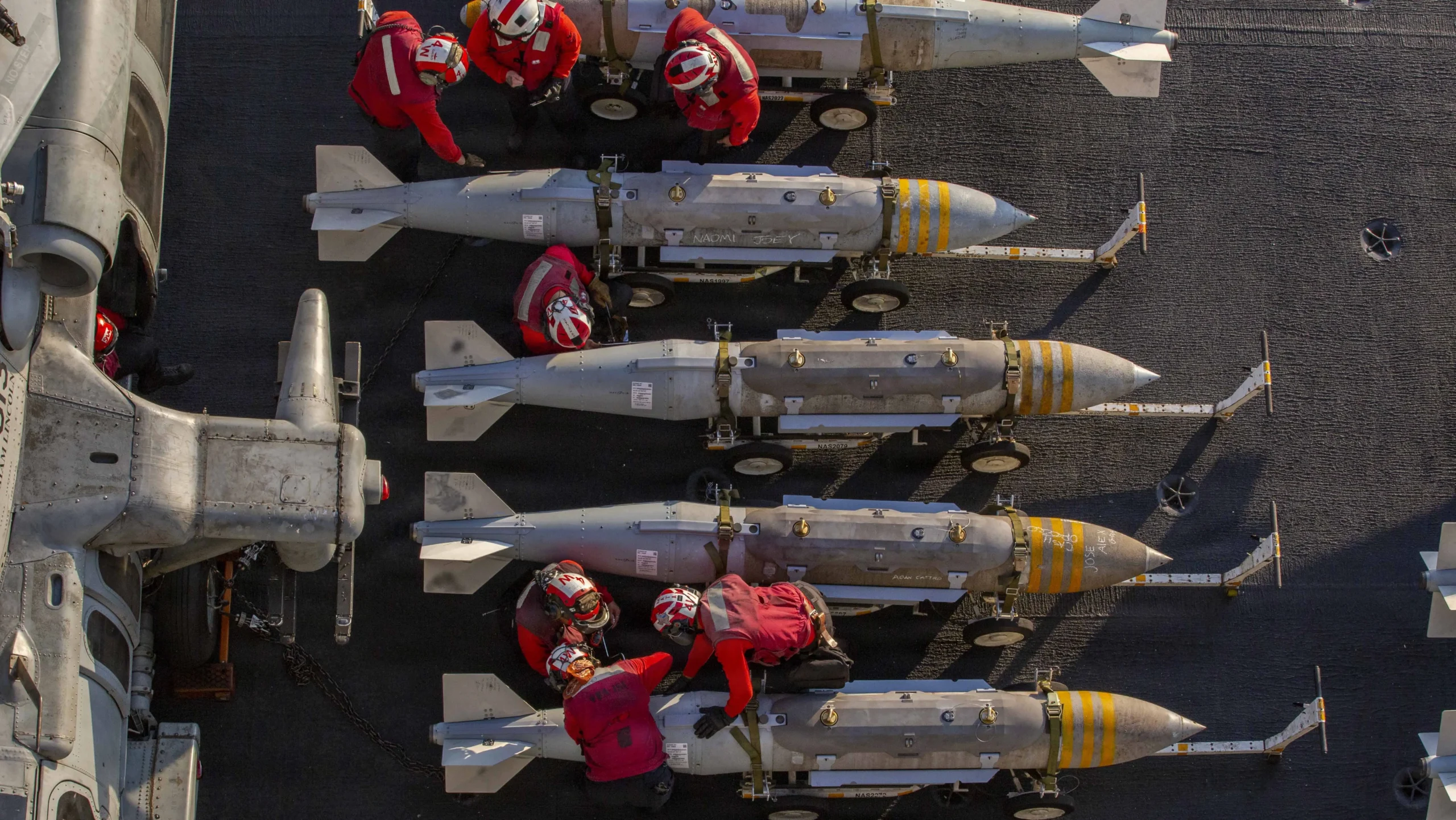
Sailors prepare to stage ordnance on the flight deck of Nimitz-class aircraft carrier USS Abraham Lincoln in support of Operation Epic Fury, Feb. 28, 2026. Navy photo.
For soldiers like Hicks, living with scars both visible and unseen, the mission continues through camaraderie and memory.
“They’re doing a lot better now than they were,” he said of his deployed comrades, though he will forever carry the loss of those who didn’t survive the drone strike beside him.
As America’s enemies test our resolve, one truth stands fixed: the U.S. military doesn’t break. It adapts, endures, and prevails.
The same can be said of the families waiting back home — resilient, patient, and faithful that their warriors will return under the flag they serve.