Tensions in the Pacific are heating up again as China ramped up maritime patrols off Taiwan’s eastern coast, prompting the United States, Britain, France, and Germany to jointly express serious alarm.
The coordinated message from major Western powers came after Beijing stepped up Coast Guard patrols and so-called “law enforcement operations” in waters well beyond what the international community recognizes as China’s authority.
For months, China has been incrementally testing limits in the Taiwan Strait and now the open waters to the island’s east.
In early June, Chinese Coast Guard vessels entered those strategic waters under the guise of a “special maritime traffic law-enforcement operation.”
Taiwan’s government immediately condemned the move as a coercive and dangerous show of force designed to intimidate both Taipei and its foreign partners.
According to Chinese state media, the recent patrols were supposedly triggered by an announcement that Japan and the Philippines plan to hold negotiations to delineate maritime boundaries.
Beijing, quick to insert itself, claimed those talks infringed upon Chinese waters—an assertion that, as usual, does not hold up to scrutiny under international maritime law.
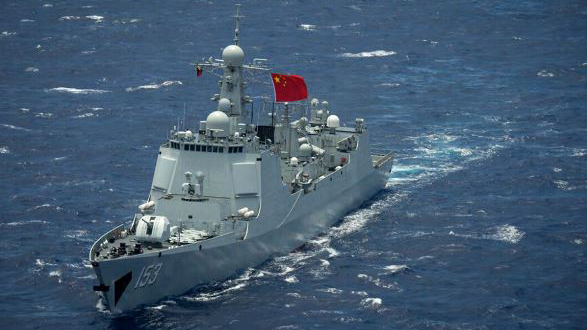
Beijing’s Coast Guard and survey ships weren’t idly floating around either. Reports confirmed Chinese vessels have been inspecting hundreds of ships passing through the area, demanding origin and destination information, and allegedly “rectifying violations.”
That’s Beijing’s code for harassment. Taiwan’s Defense Ministry and maritime authorities said at least three commercial vessels were directly confronted and intimidated by Chinese Coast Guard ships.
A spokesperson for the U.S. State Department minced no words about the Chinese operations, calling them “deeply destabilizing.”
The official reiterated that the U.S. “rejects any assertion by China of authority to interfere with freedoms of navigation or overflight, the freedom to lay cables, or other lawful uses of the sea.”
Washington made clear that these aggressive actions directly undermine the so-called peaceful resolution Beijing frequently claims to favor.
London, Paris, and Berlin didn’t stay silent either. Their representatives in Taipei issued a rare joint statement—a diplomatic maneuver that signals rising Western unity against Beijing’s bullying tactics.
They noted that the Chinese actions “threaten regional stability and the freedom of navigation and safety of international shipping,” adding a pointed reminder that “it is fundamental that all navigational rights and freedoms and the safety of seafarers and vessels are guaranteed and respected.”
That statement, in diplomatic language, translates to: “Back off.” The West sees this behavior for what it is—another creeping attempt by the Chinese Communist Party to normalize its naval harassment around Taiwan while testing how far it can go without sparking a direct confrontation.
So far, there’s been no official response from China’s foreign ministry to these international warnings.