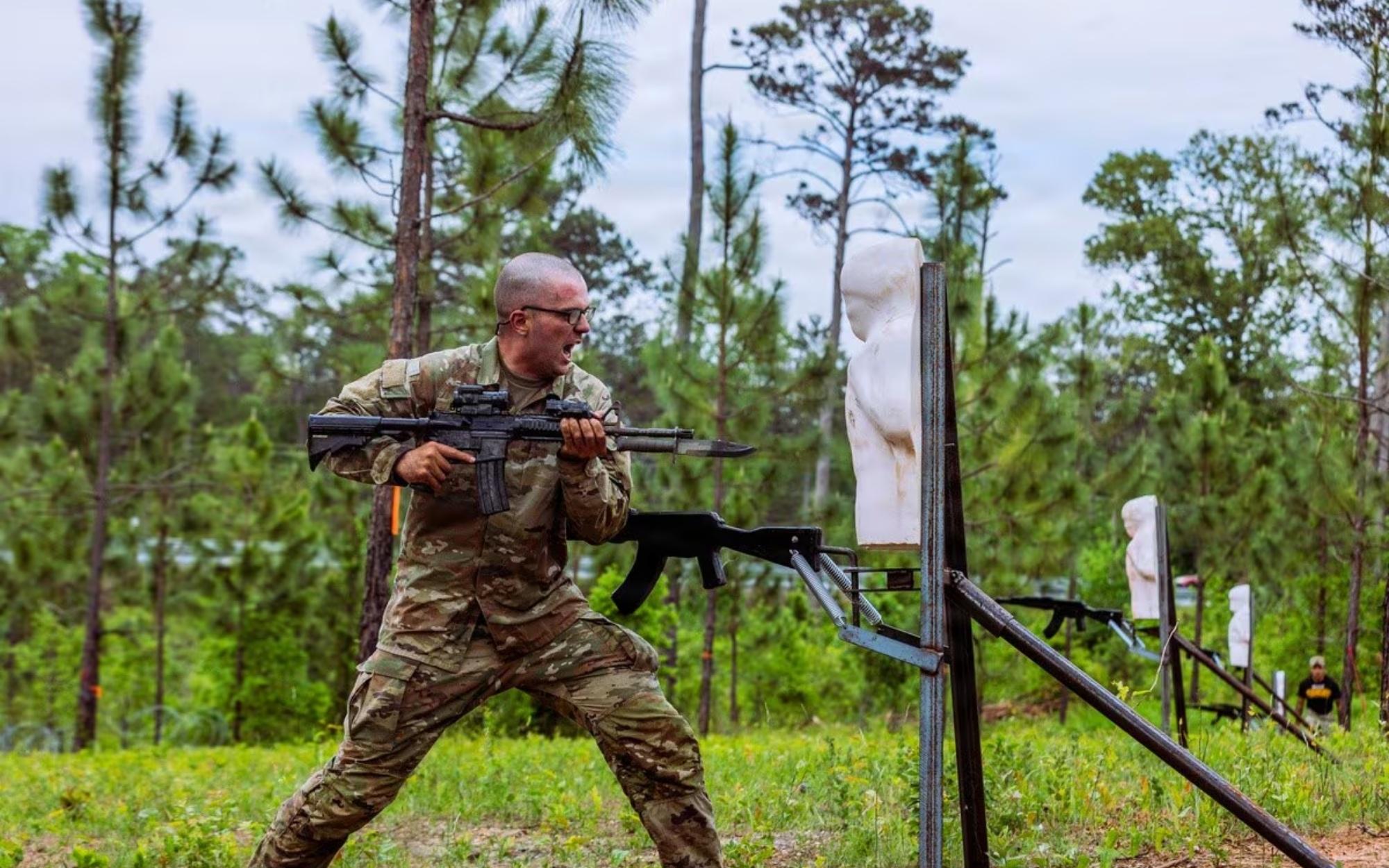
A new Army study is making waves after researchers claimed that women who completed the Army’s legendary and brutal Ranger School at Fort Benning came out in better physical condition than their male counterparts.
The report sounds impressive on paper, but it also fuels the ongoing debate over how the military compares male and female performance in elite combat training.
The study, produced by the U.S. Army Research Institute of Environmental Medicine, looked at 27 male and 10 female soldiers who endured the 61-day gauntlet known as Ranger School.
Researchers measured everything from hormone balance and inflammation to energy utilization and body composition over the grueling course. What they found is already stirring headlines and more than a little controversy.
According to the report, women’s bodies showed fewer hormonal disruptions and recovered faster than men’s under the same punishing conditions.
Men, on the other hand, experienced significant changes to hormone levels and muscle mass across all phases of the program. Meanwhile, the women’s physiology proved notably more resistant, especially during the harsh middle “Mountain Phase.”
The researchers concluded that “male physiology may be disproportionately affected in multi-stressor environments.”
That’s bureaucratic language for “men took more of a physical beating,” though plenty of veteran instructors might argue that’s because of how differently men and women are built — and how standards are often interpreted.
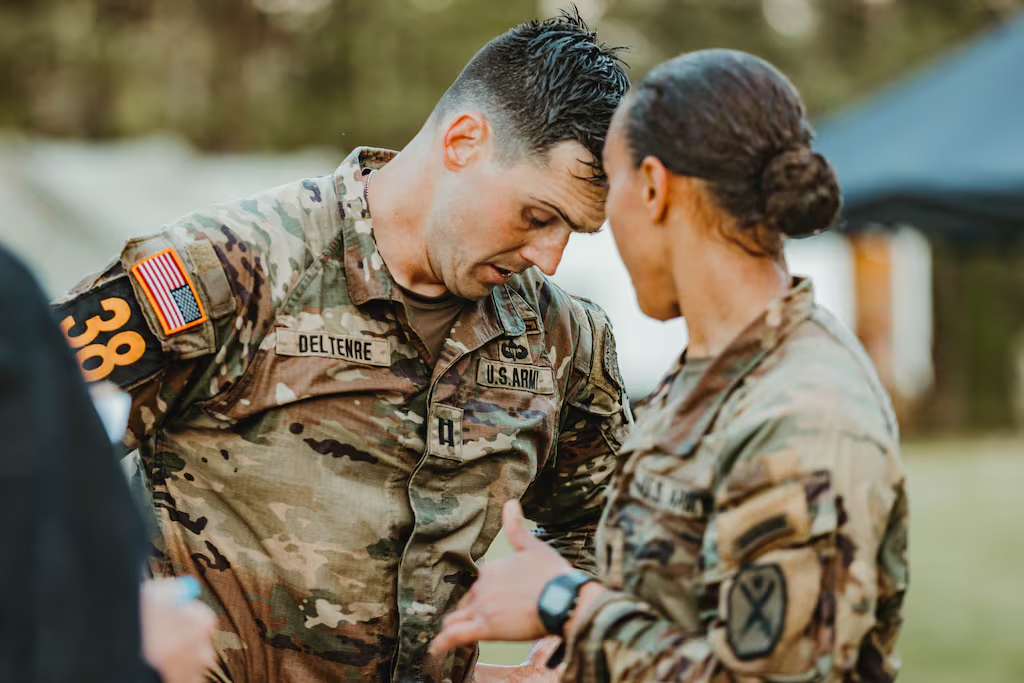
Ranger School is one of the Army’s toughest trials, where even the most hardened soldiers face relentless physical and psychological stress.
Many candidates are lucky to get four hours of sleep a night while pushing through swamp, mountain, and field courses with just two MREs a day. Nearly half drop out in the first week alone, and those who make it to graduation earn what is still considered one of the most respected tabs in the service.
Lead researcher Holly McClung admitted that not much comparative data exists since women were first allowed into Ranger School in 2015. Her team wanted to understand how prolonged deprivation of food and sleep affects both sexes.

She emphasized that “an elite war fighter is an elite war fighter,” but the study nonetheless highlights differences in how men and women process stress and energy.
Interestingly, the study also revealed that men and women fuel themselves differently under extreme strain.
While men tend to burn through muscle tissue for energy, women were found to rely more efficiently on fat metabolism. McClung explained that female physiology “utilizes fat lipolysis,” while men draw on muscle mass.
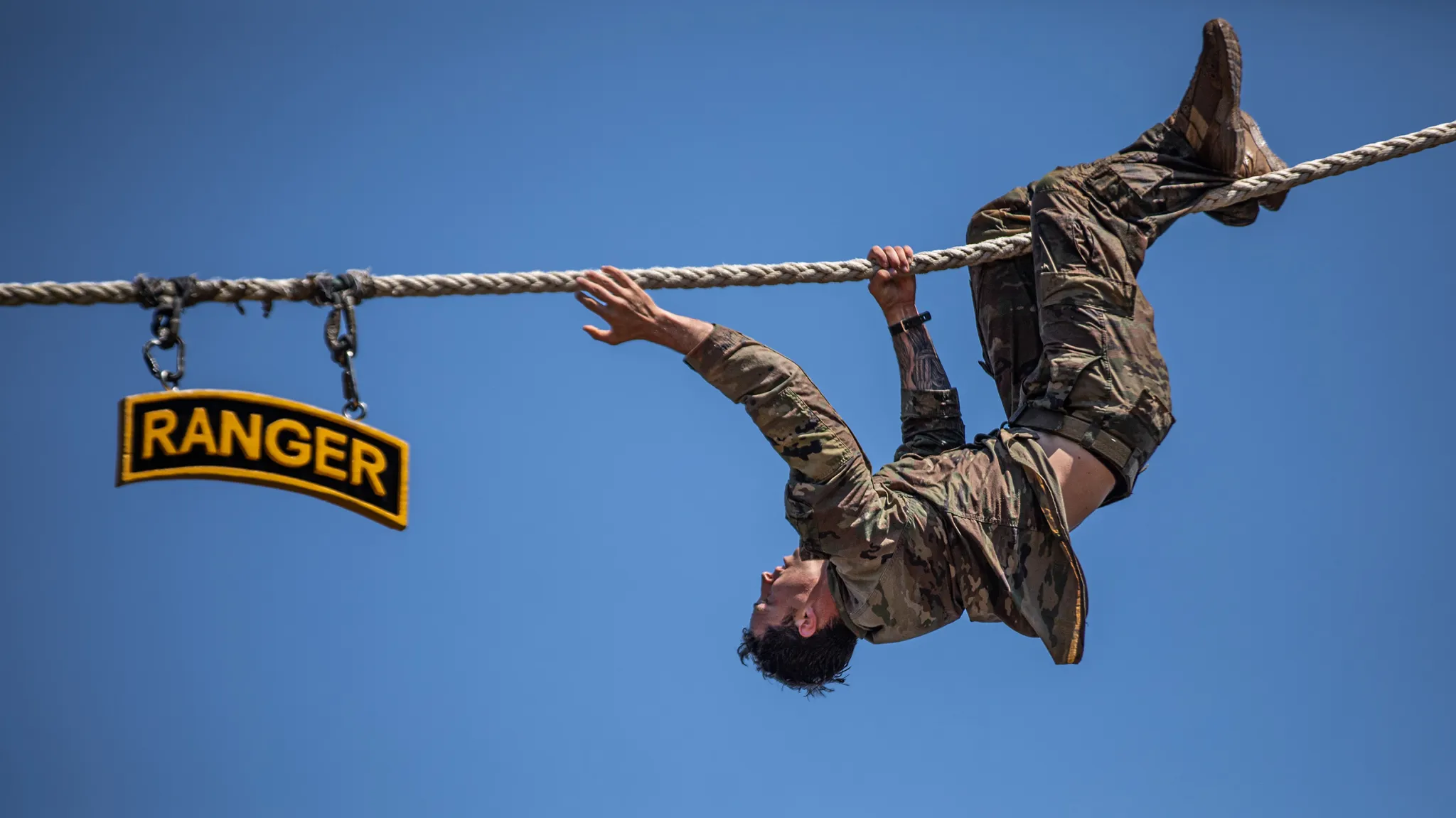
She speculated that women’s bodies “are just meant to withstand longer periods,” suggesting a possible evolutionary or endurance-related advantage.
The findings line up with previous endurance studies, including a 2016 paper concluding that women tend to be “less fatigable” than men under repetitive stress.
However, as McClung conceded, much of the data available is still limited due to the smaller number of women who’ve gone through top-tier military pipelines.

The research, while scientific on its face, comes amid an intensely political backdrop. The push to prove that women can thrive in combat roles has long been a checkbox effort for Pentagon leadership under past liberal administrations eager to reshape the armed forces in the name of “equity.”
Critics argue that comparisons like this overlook the fundamental strength and performance differences that matter in close-quarters combat and battlefield conditions.
McClung hinted that more research is needed with a larger sample size, noting, “Women seem to be just a little bit more resilient.”