The United States Army has hit the brakes on its sprawling social media network, ordering a near-complete blackout across thousands of official accounts at the unit level.
A new directive from Secretary of the Army Dan Driscoll has instructed commanders to shut down non-sanctioned accounts within 30 days, consolidating the service’s online presence into a smaller, centralized digital footprint.
The move is being sold as an effort to “ensure a clear, unified voice” and “reduce operational risk.”
But to many inside and outside the ranks, it smells more like another bureaucratic clampdown on free communication and transparency at a time when service morale is already running thin.
According to the memo, only a handful of higher-level commands will retain their official social media pages. That means countless battalions, brigades, and specialty units that used their platforms to engage families, veterans, and local communities will go dark.
The Army claims those stories will simply be filtered upward and published through approved hubs, but anyone who’s watched this government try to “streamline” communication knows what that really means—less authenticity, more bureaucracy.
The War Department insists the change won’t impact soldiers’ personal social media, but seasoned troops understand how this works.
The brass may not be officially policing private accounts, yet commanders are now working under an explicit order to eliminate anything not rubber-stamped from the top. That has a chilling effect, plain and simple.
It’s not just about cutting back accounts; it’s about tightening control. Every major institution that centralizes messaging does it for one reason—to manage what gets said and who gets to say it.

It’s the same story we’ve seen with the growing federal obsession over “disinformation,” which somehow always means silencing voices outside their narrative.
The timing also raises eyebrows. The Army’s directive aligns with a broader push by the Pentagon to centralize communications across all branches.
Just last month, Acting Navy Secretary Hung Cao said his service was “in a fight for the narrative,” a phrase that reeks of politics more than defense readiness. Apparently, rather than strengthening America’s warfighting posture, some leaders think the military’s priority should be filtering social media posts.
The centralization push hasn’t come without controversy. The Pentagon’s recent attempts to impose restrictions on journalists have already triggered legal action from major publications, including The New York Times. When the establishment press is suing the Pentagon for censorship, the rest of us should pay attention.
Under Driscoll’s memo, exceptions to the new rule may be made, but only for accounts that “demonstrate a mission critical imperative unmet by existing accounts.”
In other words, if Big Army doesn’t like what you’re doing online, you’ll need to prove you have no other way to talk to your own people. It’s a bureaucratic masterpiece—tight control dressed in official language about “security” and “efficiency.”
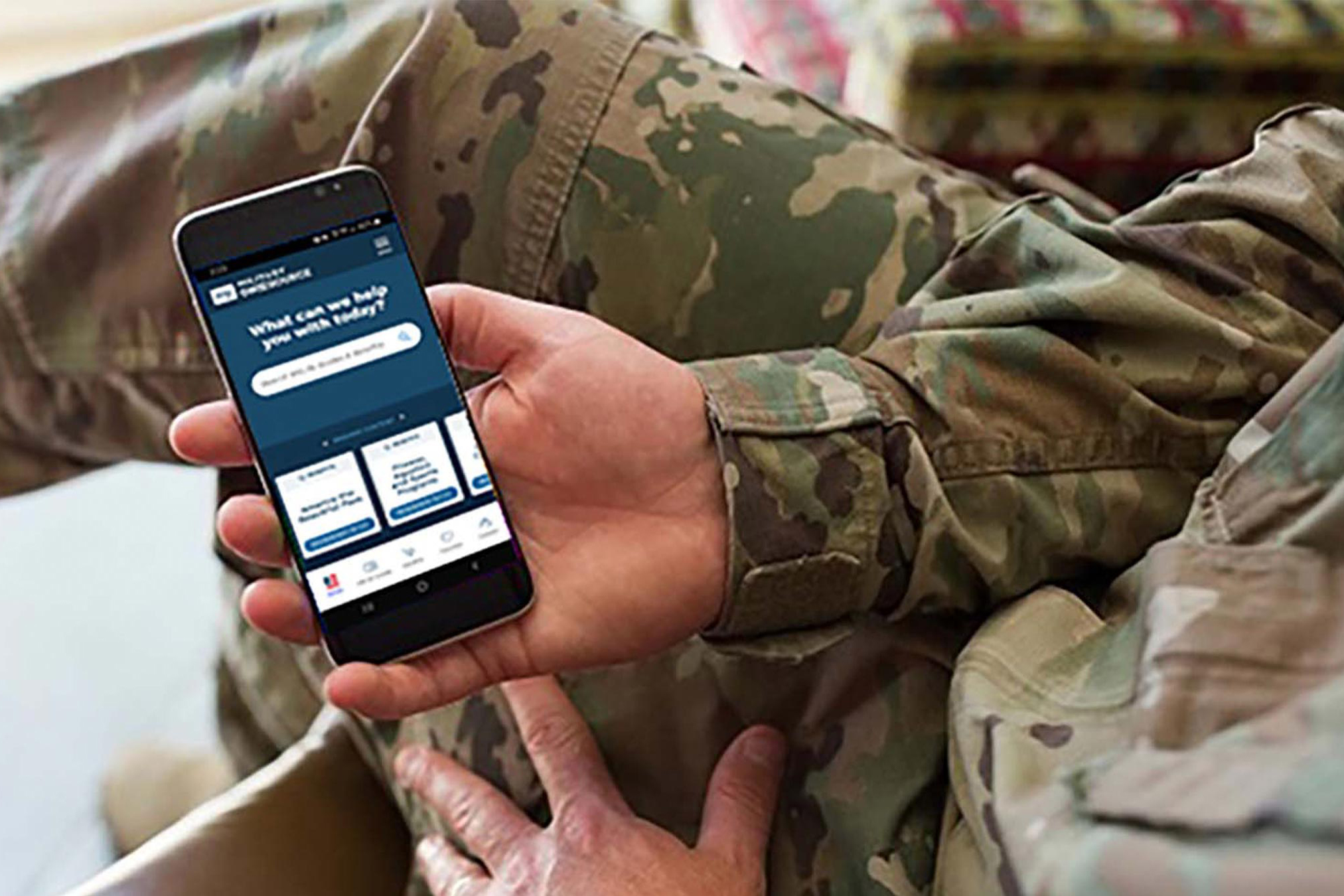
The Army insists this is about operational safety and improving access to information, but that optimistic framing rings hollow.
For decades, unit-level social media pages have served as real-life connection points for families and deployed soldiers alike. Commanders used them to share updates, celebrate milestones, and give the public a glimpse into the daily lives of those who serve. Cutting that line of communication is a gut punch to the very communities the Army claims to support.
Supporters of this shift argue that fewer accounts mean fewer cyber vulnerabilities, but opponents worry the new policy punishes transparency over potential risk.
After all, the Army didn’t have a problem with local pages when morale and recruiting numbers were stronger. Now, amid historic shortfalls and public distrust, shutting down organic communication feels less like security and more like silencing.
For a force built on trust and accountability, hiding unit-level activity behind centralized messaging creates a wall between the military and the people it serves.