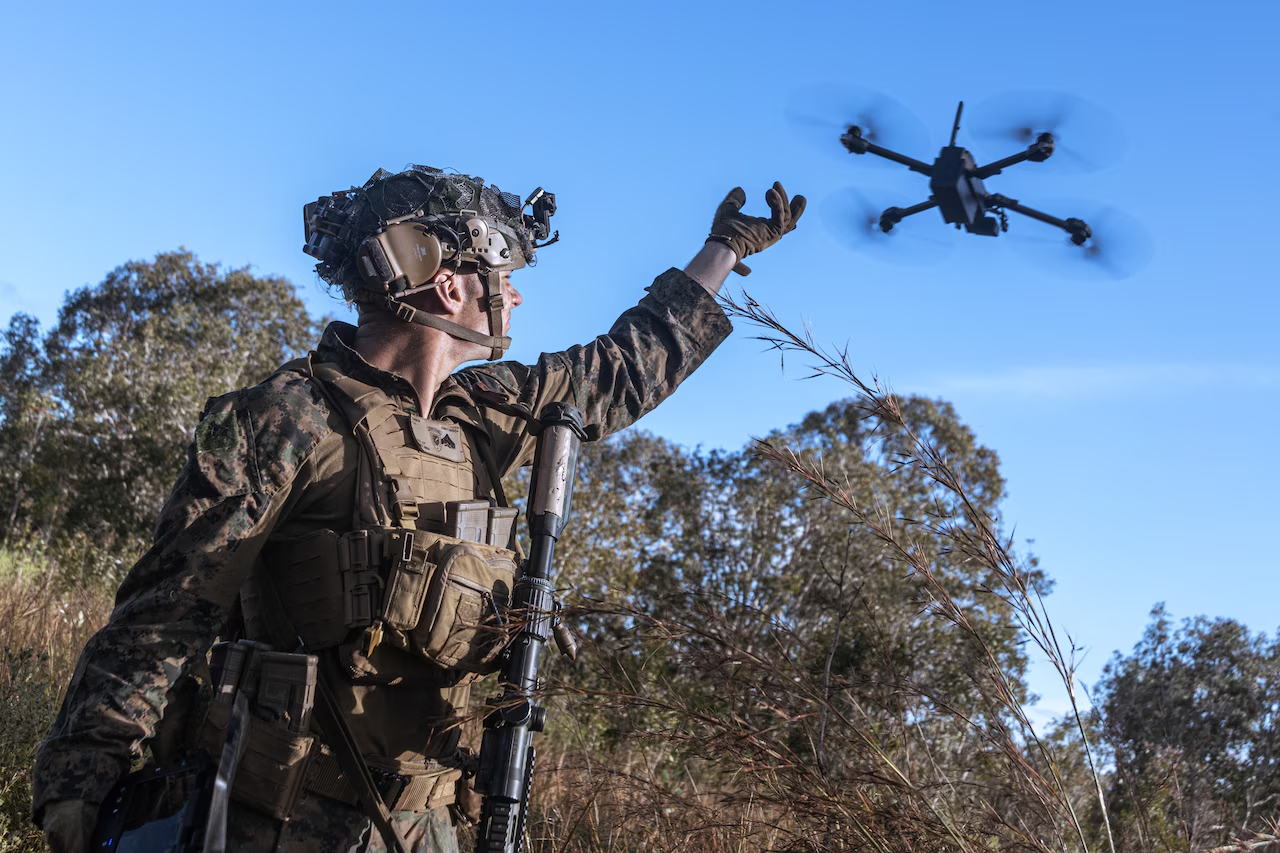
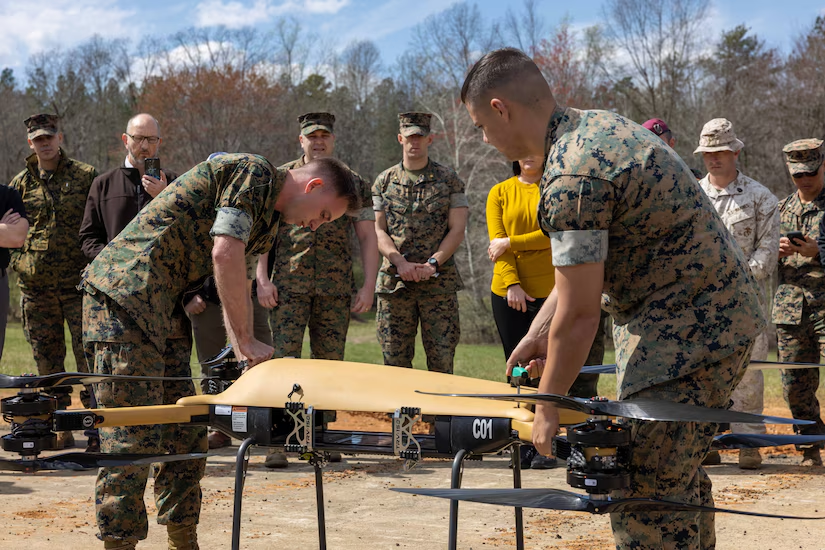
The Marine Corps is doubling down on drone warfare with the launch of two new units—one on each coast—dedicated to sharpening America’s edge in both drone offense and defense.
It’s a clear signal that the Corps is adapting aggressively to modern battlefield realities where small, cheap drones can now influence massive outcomes.
At Twentynine Palms, California, the new Marine Corps Robotics Integration Group will spearhead the development of training programs to prepare Marines for real-world combat where unmanned systems are now a daily threat.
This West Coast hub will be responsible for teaching Marines not only how to use drones but just as importantly, how to survive and fight back when hostile swarms fill the air.
Meanwhile, on the East Coast, at Marine Corps Base Quantico, Virginia, another team is taking a more experimental route.
This newly established counter-drone unit under the Weapons Training Battalion will rigorously test the latest drone-busting tech and tactics. Their mission is to ensure that when Marines face the enemy’s buzzing eyes and ears, they can cut them out of the sky with precision and speed.
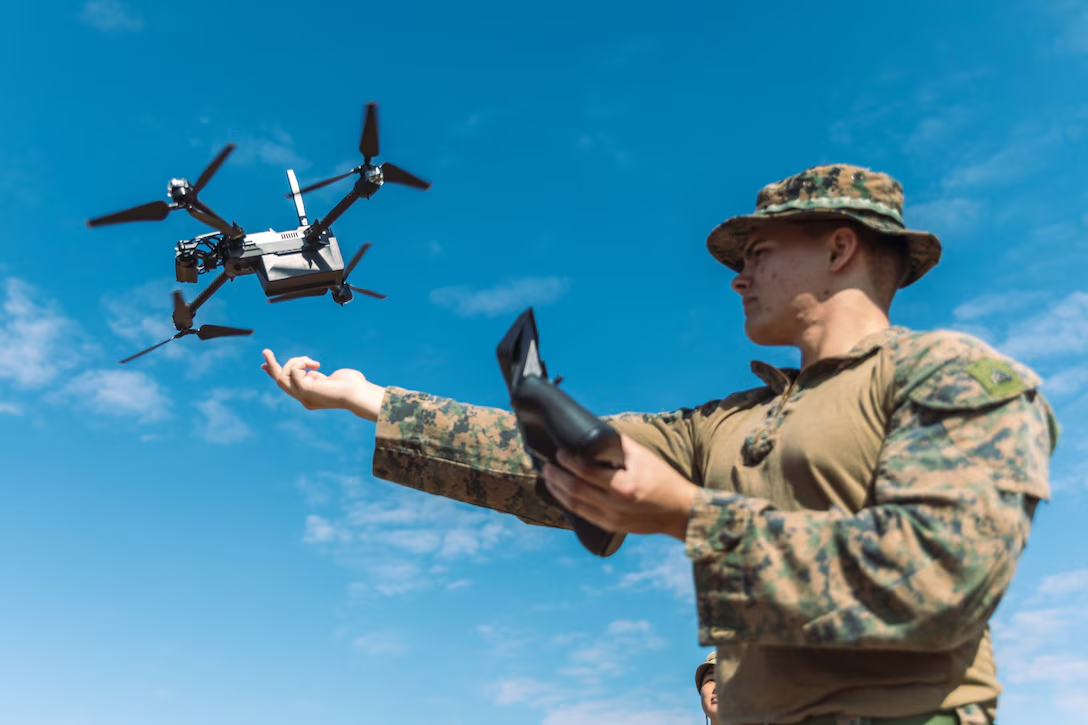
Maj. Hector Infante, spokesman for the Training and Education Command, explained that the Robotics Integration Group will create standardized training programs and certification processes that all deploying Marines will follow.
This ensures every Marine is equipped with the tactical and technical skills to integrate drones effectively across missions.
Maj. Gen. Mark H. Clingan, commanding general at Twentynine Palms, put it bluntly: small drones are no longer optional.
“The battlefield continues to demonstrate that small unmanned aircraft systems are no longer niche capabilities; they are indispensable tools for reconnaissance, precision strike, force protection and survivability,” Clingan said. His statement drives home the Marine Corps’ shift toward institutionalizing technology once seen as specialized.
The Quantico-based team’s role complements that West Coast development hub perfectly.
Conceived as a counterpart to the already established attack drone team at Quantico, the counter-drone group will be focused on testing new countermeasures and tactics, many inspired by the fast-paced and improvised drone warfare seen in the Middle East and Eastern Europe.
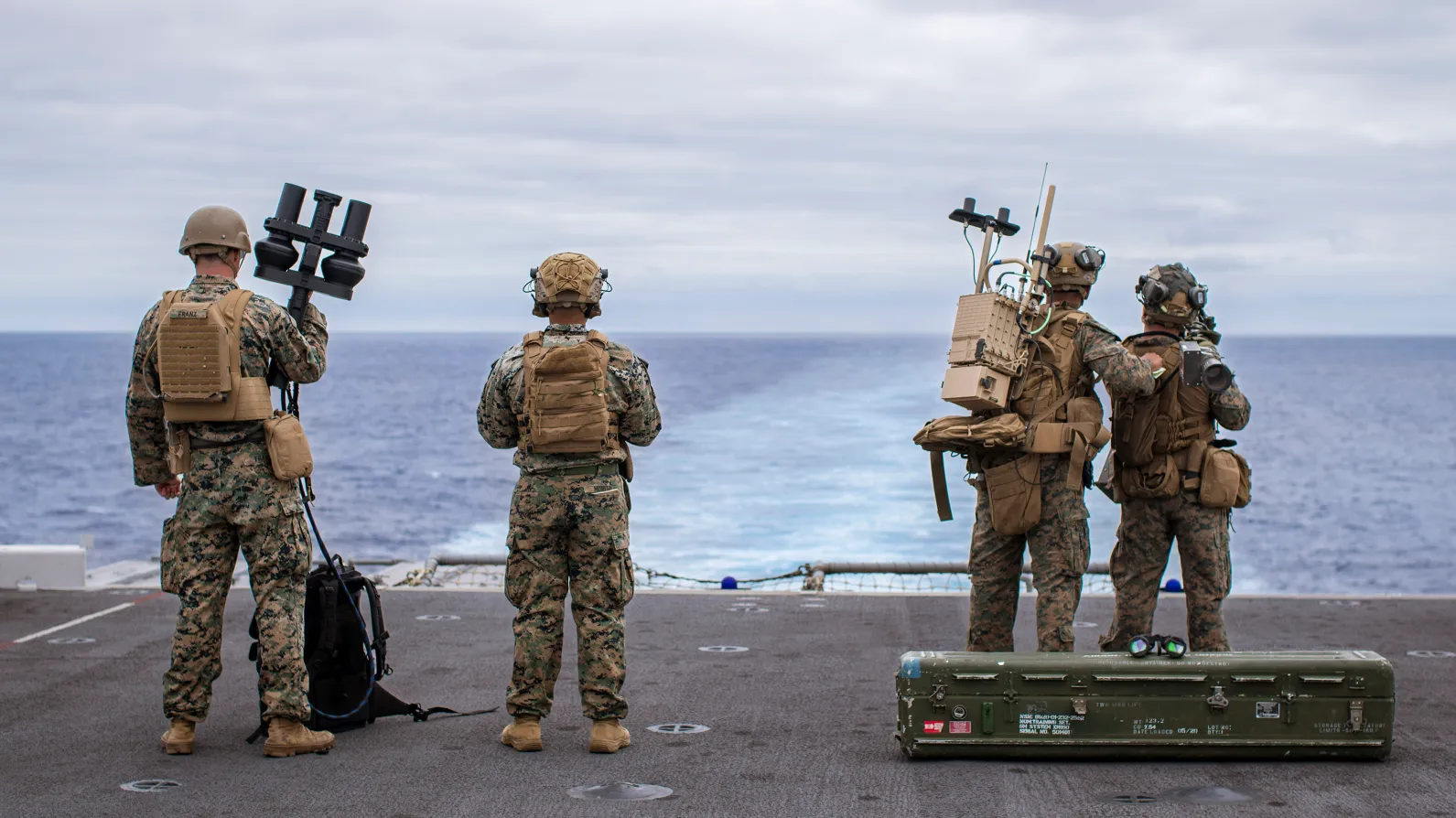
The Marines aren’t building these capabilities in a vacuum. Lessons from Ukraine, Syria, and other modern battlefields have shown how $500 drones can cause chaos for million-dollar armored vehicles.
The Corps knows the answer isn’t throwing money at bigger weapons but training Marines smarter, faster, and more effectively with what’s already available or rapidly deployable.
Both the attack drone and counter-drone teams are expected to funnel their findings to the Robotics Integration Group in California, creating a continuous loop between experimentation, implementation, and battlefield readiness. The result will be a tighter, more agile system that adapts faster than America’s adversaries.
This aligns neatly with broader Marine modernization efforts—moving away from static, heavy units toward smaller, more dispersed forces capable of fighting in contested zones.
Drones, whether used for surveillance or attack, are key to that transformation. They can gather intel in seconds, shield patrols, or deliver payloads precisely where needed.