Navy Cracks Down on Shaving Waivers with New One-Year Limit
Posted By
Common Defense
On
In
National Security,News |
No Comments
The Navy has sent a clear message to sailors who think facial hair exemptions are a permanent ticket to an unshaven life: those days are over.
A new Navy policy limits medical shaving waivers to one year, after which sailors unable to meet grooming standards will face administrative separation.
The directive comes straight from Secretary of War Pete Hegseth’s broader initiative to restore military discipline and professionalism across the ranks.
Announced through a recent Navy Administrative Message (NAVADMIN), the change enforces stricter guidelines around grooming and uniform standards.
It specifically targets medical waivers previously granted for conditions like pseudofolliculitis barbae, a painful skin irritation aggravated by shaving.
The new rules make it clear that the era of indefinite “profile beards” is done.
“This ends the days of beardos in uniform,” Hegseth declared to senior military leaders late last year.
“The era of unprofessional appearance is over. We’re restoring the sharpness, the pride, and the image that comes with wearing this uniform.” His words signaled the return of tough, traditional military standards that many believe have slipped over the decades.
The Navy’s policy now dictates that only commanding officers may authorize shaving waivers as part of a medical treatment plan. These waivers will be issued in 90-day increments and evaluated periodically, ensuring sailors are making genuine progress toward compliance.
Image Credit: DoW
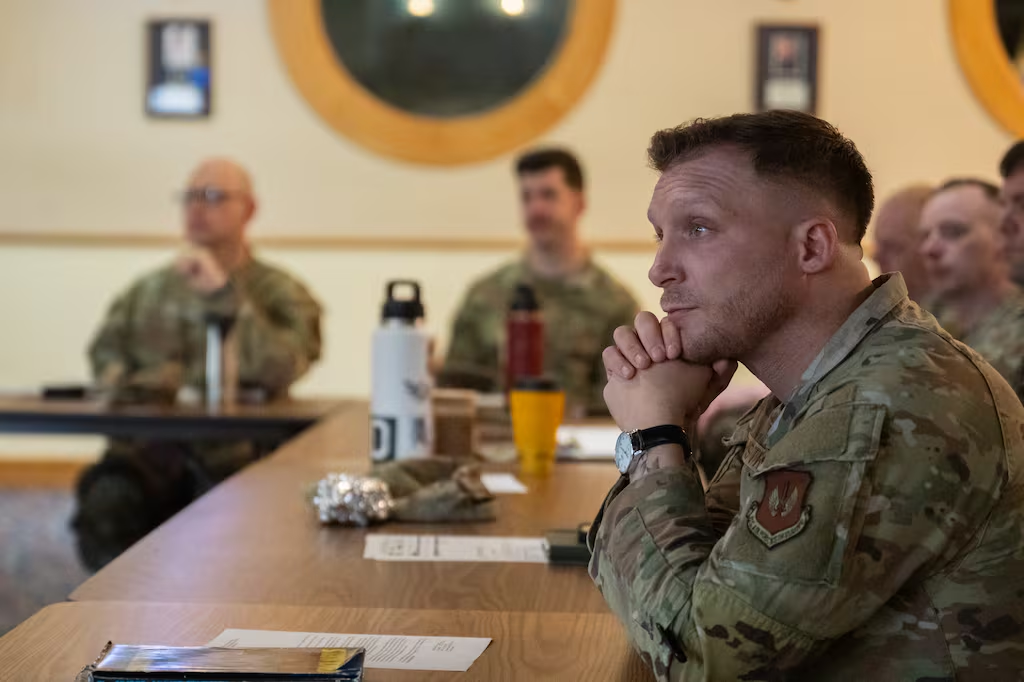
U.S. Air Force Master Sgt. Corey Armstrong, 100th Logistics Readiness Squadron fuels superintendent, listens to a briefing about the new shaving waiver guidance at RAF Mildenhall, England, Feb. 26, 2025. (Senior Airman Christopher Campbell/U.S. Air Force)
After one year, those whose medical conditions remain unmanageable will be processed for administrative separation.
In other words, the Navy is telling sailors that medical waivers are meant to be temporary—not lifestyle exemptions. “Commands shall process personnel determined to have an unmanageable Permanent Condition for administrative separation,” the directive states.
Commanders are expected to treat refusal to adhere to grooming standards as a “military justice matter.”
The new rule will formally take effect one year after the July 7 announcement, giving the fleet time to update local policies and ensure that leaders, medical staff, and sailors understand the changes.
According to the Navy, this adjustment period allows commands to organize counseling sessions, distribute materials, and ensure everyone is on the same page.
Supporters of the new regulations point out that uniformity and readiness are not just about appearance—they are about operational safety. Beards, for instance, can compromise the seal of gas masks and breathing gear, which could endanger a sailor’s life during emergencies. Navy officials have repeatedly stressed that grooming standards exist to protect sailors, not punish them.
Image Credit: DoW
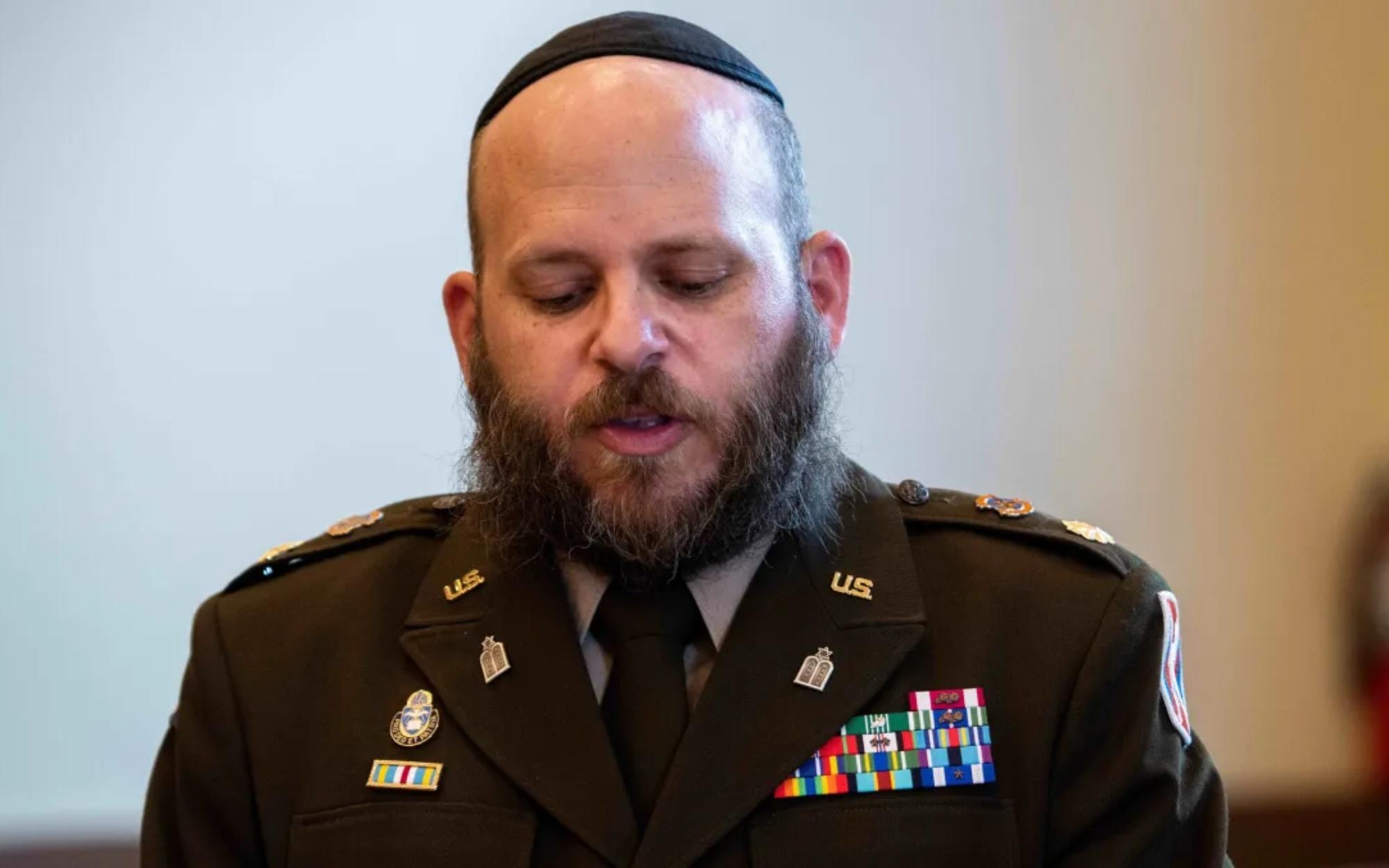
Soldiers seeking a religious waiver for grooming and uniform standards must swear under oath to “sincerely held religious beliefs.” Air Force photo by Sarayuth Pinthong.
That said, some military dermatologists argue that claims about improper mask seals are overstated. However, the Navy isn’t taking chances when it comes to mission safety. Officials maintain that smooth, regulation-compliant grooming guarantees protective equipment functions as designed, which is nonnegotiable in high-risk environments.
Commanders are also directed to review the status of sailors with medical shaving waivers every three months, especially those whose duties require frequent use of breathing protection equipment. These reviews are meant to ensure sailors’ conditions do not jeopardize performance or safety in hazardous environments.
For specialized units, the Navy is allowing narrowly tailored flexibility. Special operations personnel may request modified grooming standards based on mission and cultural requirements, recognizing that in some parts of the world, a beard can mean the difference between blending in and standing out dangerously.
However, these same operators must still adhere to clean-shaven standards if deployed to regions with a high threat of chemical, biological, radiological, or nuclear exposure.
The message is unmistakable: the Navy is getting its edge back. Under Secretary Hegseth’s leadership, the War Department has returned to enforcing the discipline and professionalism that built America’s military might.
The days of endless exemptions and cozy leniency are being replaced by accountability and pride in uniform. Sailors who wear the cloth of their nation are being reminded once again that standards matter, and so does appearance.
While some critics argue the policy may be too rigid, many in the ranks quietly welcome the crackdown.
For them, it’s a long-overdue correction—a sign that military standards are being taken seriously again, and that the focus is returning to fighting readiness, not social experimentation. As one senior sailor put it, “It’s about time we started looking like sailors again.”