Navy Rebrands Information Professionals as Communications Systems Warfare Officers for the Digital Fight
Posted By
Common Defense
On
In
National Security,News |
No Comments
The Navy has given one of its key information warfare communities a new name, and the change is not some cosmetic staff meeting exercise. Sailors serving as Information Professionals now have a new title, “effective immediately.”
The Information Professional community, which includes sailors serving under the 182X designator, is now officially known as the Communications Systems Warfare Officer community. The Navy announced the change through a new Naval Administrative Notice released Saturday, July 25.
According to the notice, the redesignation is a “direct warfighting imperative.” That is a pretty clear signal from a service trying to make plain that networks, data links, communications systems and cyber resilience are no longer background functions.
They are part of the fight. In modern naval warfare, the side that communicates faster, restores networks faster and moves information across the battlespace faster often gets to shoot first and survive longer.
Rear Adm. Mark D. Behning, Acting Deputy Chief of Naval Operations for Warfighting Requirements and Capabilities, made that point directly in the notice. “The title ‘Information Professional’ no longer captures the strategic reality of a community charged with stewarding our digital environment and delivering the maritime information advantage from seabed to space,” he said.
That phrasing reflects where the Navy sees the fight going. From undersea sensors to satellites overhead, the fleet depends on communications systems that must keep working while adversaries try to jam, hack, spoof, disable or destroy them.
Image Credit: DoW
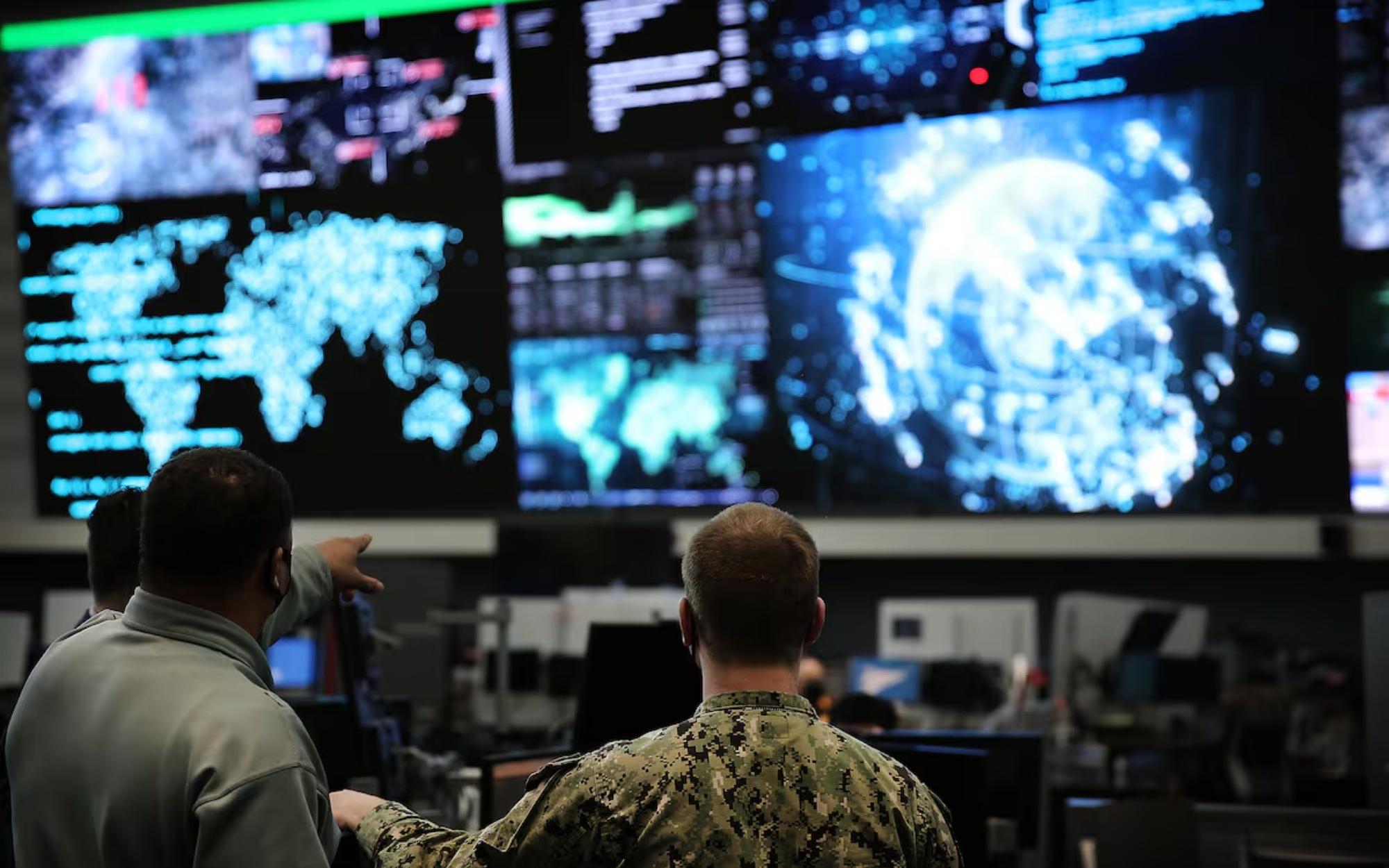
U.S. Cyber Command members work in the Integrated Cyber Center, Joint Operations Center at Fort George G. Meade, Maryland, April. 2, 2021. (Josef Cole/DoD)
An officer in the profession described the mission last month as keeping carrier strike group crews connected, restoring command and control networks when they fail or come under attack, and managing those systems during combat. The new title, he said, “gives the fleet a name that explains what we do without an interpreter.”
That matters, because “Information Professional” always sounded like something that belonged in a corporate information technology office, not on a warship sailing into a missile threat envelope. Communications Systems Warfare Officer is not exactly bumper sticker poetry, but at least it tells sailors and commanders that this is about warfare.
The notice formalizes a shift that was already appearing in Navy documents earlier this spring. July also marks the 25th anniversary of the career field, which gives the service a convenient moment to retire the older label and move toward language that better fits the threat environment.
The Navy created the Information Professional community in July 2001 as telecommunications technology rapidly changed the way ships, aircraft, headquarters and commanders connected. Since then, the battlefield has only become more dependent on networks, data and secure communications.
Today, the Navy career page describes Communications Systems Warfare Officers as specialists whose work includes cybersecurity, countering enemy jamming, and serving as experts in information technology and networks. That is not back office work, no matter how badly the old bureaucratic label made it sound that way.
The new notice does not describe a major change in duties. Instead, Behning says the community “exists to execute a clear mission: connect the Fleet, accelerate decisions, and enable the kill.”
Image Credit: DoW
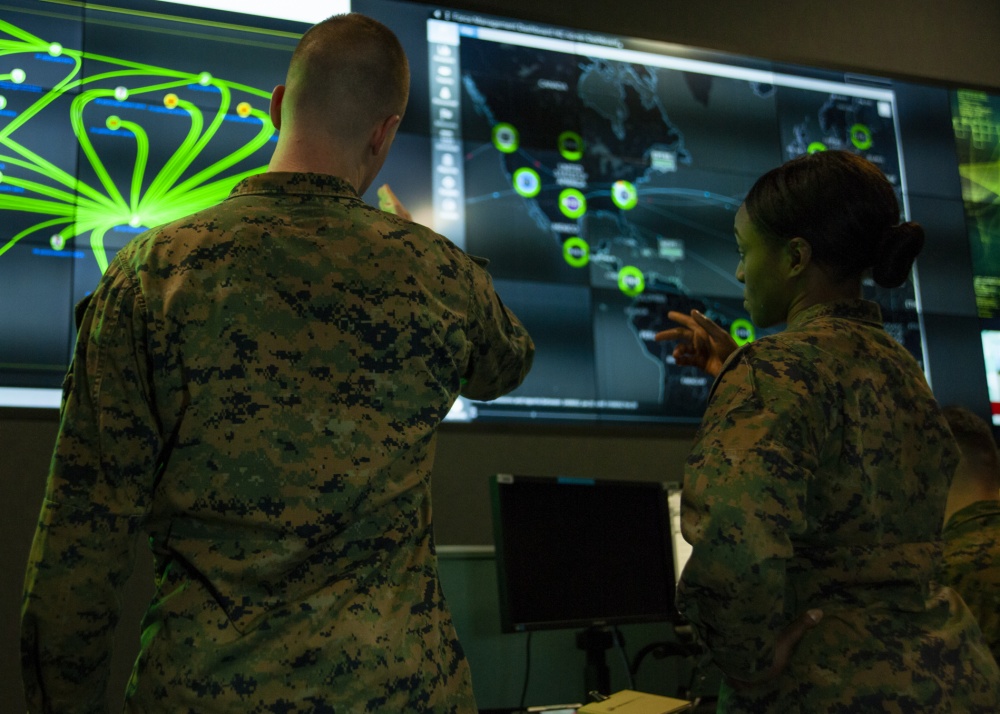
Marines with Marine Corps Forces Cyberspace Command in the cyber operations center in Lasswell Hall at Fort Meade, Md., Feb. 5, 2020.
That last phrase is the part that matters most. The communications officer is not merely keeping email alive for convenience, but helping ships find targets, pass orders, coordinate fires and keep commanders ahead of the enemy.
Naval Information Forces has also been overhauling its specialized information warfare personnel in recent years. That includes standing up new forms of naval intelligence units as the service tries to sharpen its edge in a domain that China, Russia and Iran are all contesting aggressively.
The move also tracks with broader efforts across the armed forces to modernize electronic warfare, cyber capability and information dominance. After years of Washington buzzwords, the military appears to be remembering that information systems only matter if they help win wars.
For sailors in the former Information Professional community, the new name brings a clearer warfighting identity. It tells the fleet that these officers are not just maintaining networks, but defending and exploiting the digital nervous system of naval power.
The Trump era focus on lethality, backed by leaders like War Secretary Pete Hegseth, fits neatly with this kind of shift. The Navy is at its best when it drops the consultant jargon and calls warfighting what it is.
The fleet will still need reliable systems, hardened networks, disciplined operators and commanders who understand that communications are always a target. A new name will not win the next fight by itself, but naming the mission correctly is a useful start.