
The Biden administration appears prepared to pull back a major chunk of U.S. air and sea muscle from Europe, according to a report in The New York Times.
The plan would sharply reduce the number of jets, warships, and surveillance aircraft the U.S. dedicates to NATO operations in the region.
Two senior European officials told the *Times* that the U.S. is preparing to cut its F-16 and F-15E fighter presence from around 150 to just 100.
Maritime reconnaissance aircraft will drop from 26 to a mere 15, and the already stretched aerial tanker fleet is reportedly being pulled out completely.
That’s eight tankers gone — the critical aircraft required to keep fighters in the sky longer.
This move also includes the redeployment of a missile-launching submarine and an aircraft carrier, along with supporting warships and scores of carrier-based jets.
One of two bomber task groups previously available for Europe could also be reallocated elsewhere, further shrinking NATO’s air deterrence umbrella.
For decades, NATO has relied heavily on American might to cover its security shortcomings. Now, Washington is signaling that era may be ending. Biden’s Pentagon, or rather the War Department, is calling the move an effort to “rightsize” its contributions to the NATO Force Model.
In bureaucratic speak, that means Europe will have to finally step up.
NATO spokesperson Allison Hart tried to spin the shift as a positive, claiming it will “strengthen NATO’s defense by reducing reliance on a single ally.” She added that as Europe and Canada increase defense spending, the alliance’s “balance of responsibility” can shift.
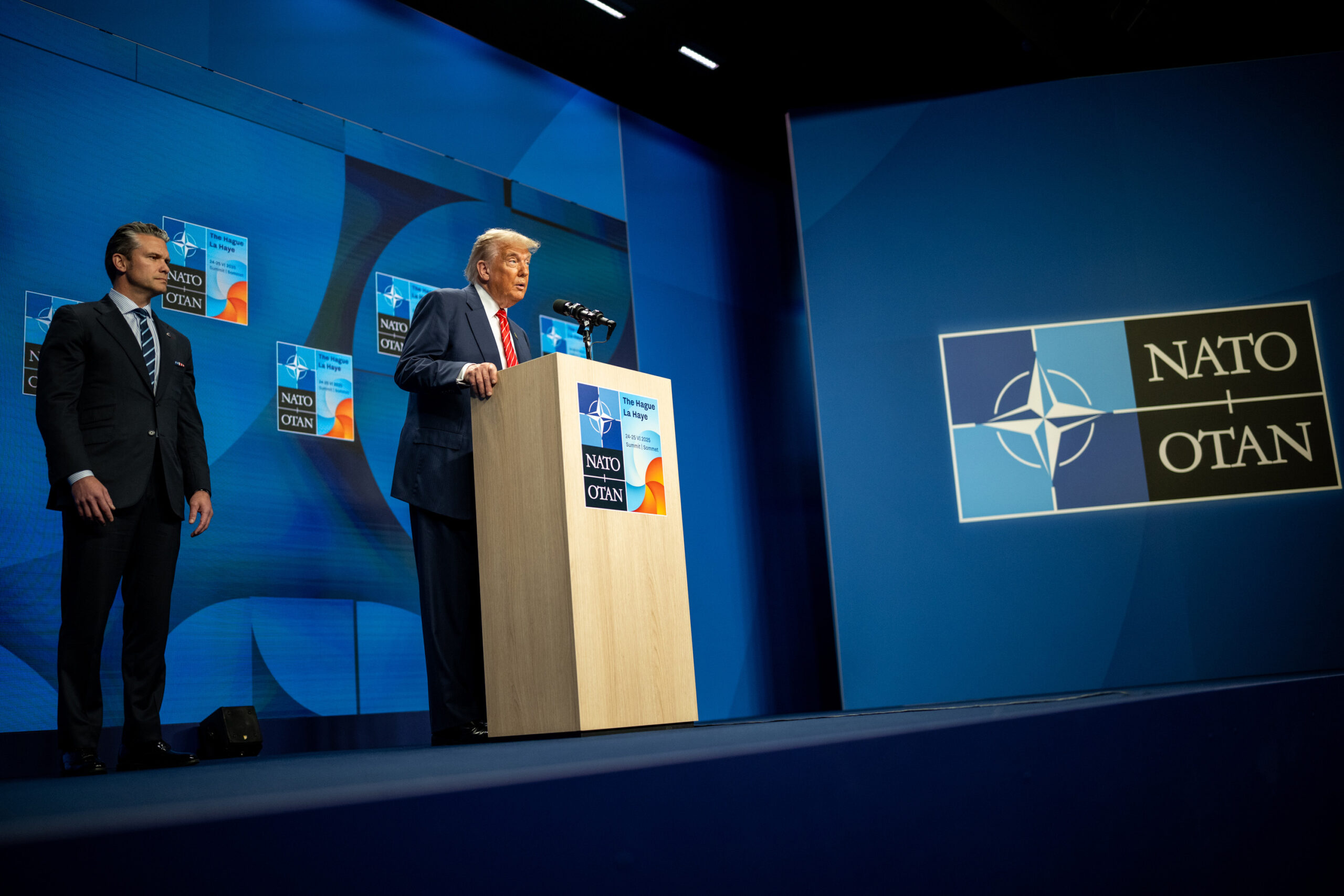
Spoken like someone who knows what’s coming — a massive security vacuum if the U.S. walks away.
European nations will no doubt talk tough. But history shows many of them prefer meetings and press conferences over manufacturing missiles or maintaining fighter fleets.
When push comes to shove, it's the United States that provides the aircraft, the intelligence networks, and the naval firepower to make NATO mean something more than just a logo in Brussels.
The timing of this pullback isn’t accidental. Just last year, the War Department revealed that the U.S. would “scale back” the assets it would make available in a NATO crisis scenario. Translation: the freebies are drying up.
This shift echoes a familiar Trump administration message — allies need to pay their fair share and rebuild their militaries before expecting endless American protection.

President Trump hammered NATO allies for years about slacking off on defense spending. He called out Europe for freeloading under the U.S. security umbrella while funneling taxpayer money into socialist welfare programs instead of soldier salaries and weapons.
The Trump White House was clear — 3.5% of GDP should be the minimum for true partnership in keeping the free world safe.
By contrast, the Biden team seems to be parachuting out of Europe’s defense role under the guise of “balance.” Yet Washington’s retreat from European deployments also plays neatly into Trump’s original strategic vision: force NATO to grow up, or risk standing on its own.
After decades of American taxpayers footing the bill, maybe the White House finally sees that the generosity card has expired.
The upcoming realignment will cause significant heartburn in European capitals, especially in Germany, where expectations of automatic U.S. rescue have become a habit.
Poland and the Baltic states have reason to worry too, given the ongoing threats from Moscow. The U.S. pullout raises one unsettling question: who fills the void when the American fighter jets, bombers, and ships stop showing up?
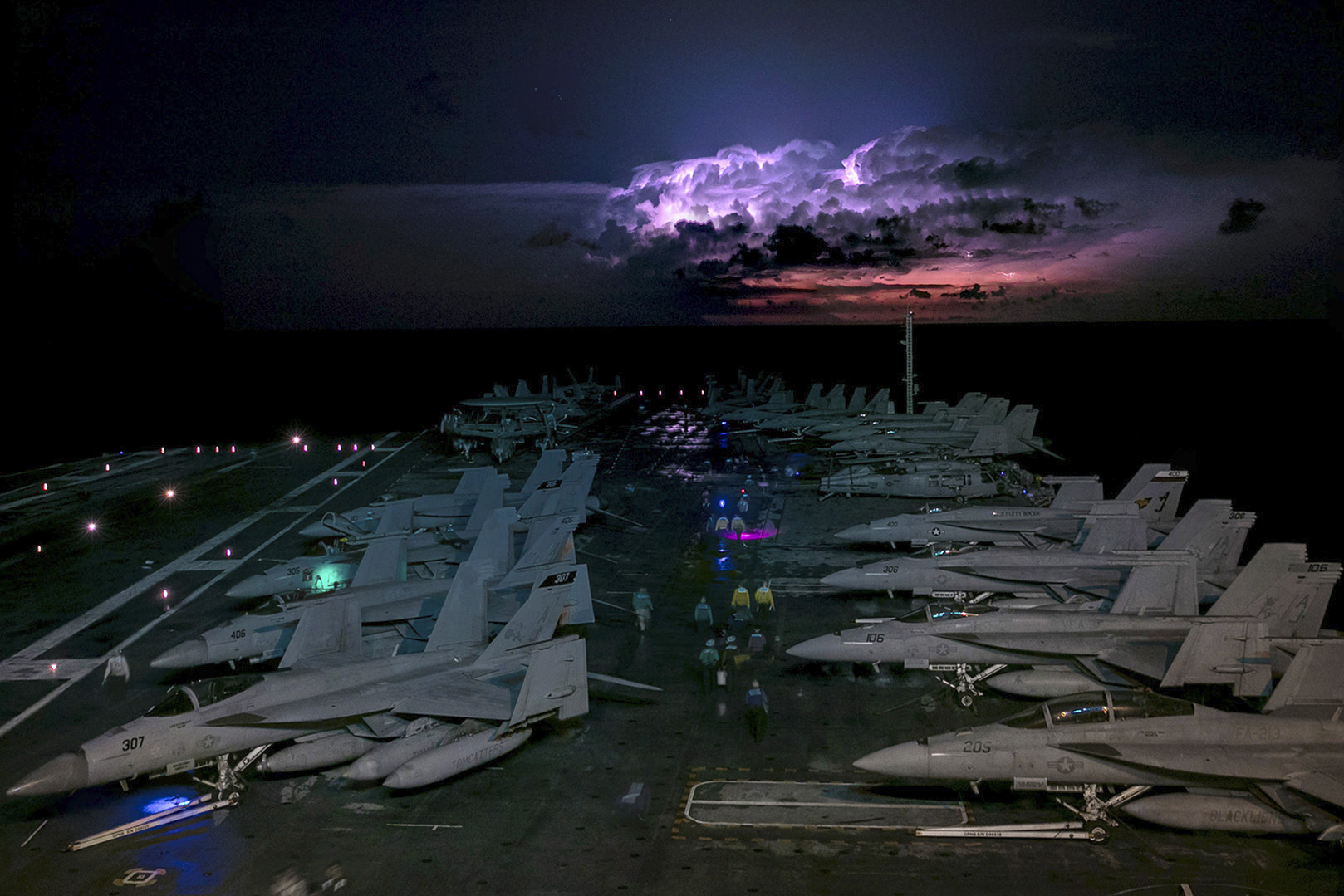
NATO will tell its members to “invest more.” Easier said than done. Europe’s manufacturing base has been tied up in climate policies, not military arsenals.
The continent’s woke leadership has spent years chasing symbolic victories on social equity while ignoring hard power realities. Without U.S. command, their coordination and interoperability could become tangled messes overnight.
From a strategic standpoint, the shift will also likely redirect American assets toward the Pacific, where China’s ambitions grow bolder by the day.
Redeploying submarines, carriers, and bombers to the Indo-Pacific hints that the War Department is shifting focus — from propping up NATO to confronting Beijing’s military buildup.
The irony: Biden may end up doing exactly what Trump called for, albeit under less decisive circumstances. NATO’s dependency has been an open secret, and Washington’s patience wore thin long ago.
Whether intentional or forced, pulling back U.S. hardware from Europe might finally jolt the alliance into the reality that the American military is not an all-you-can-eat buffet.
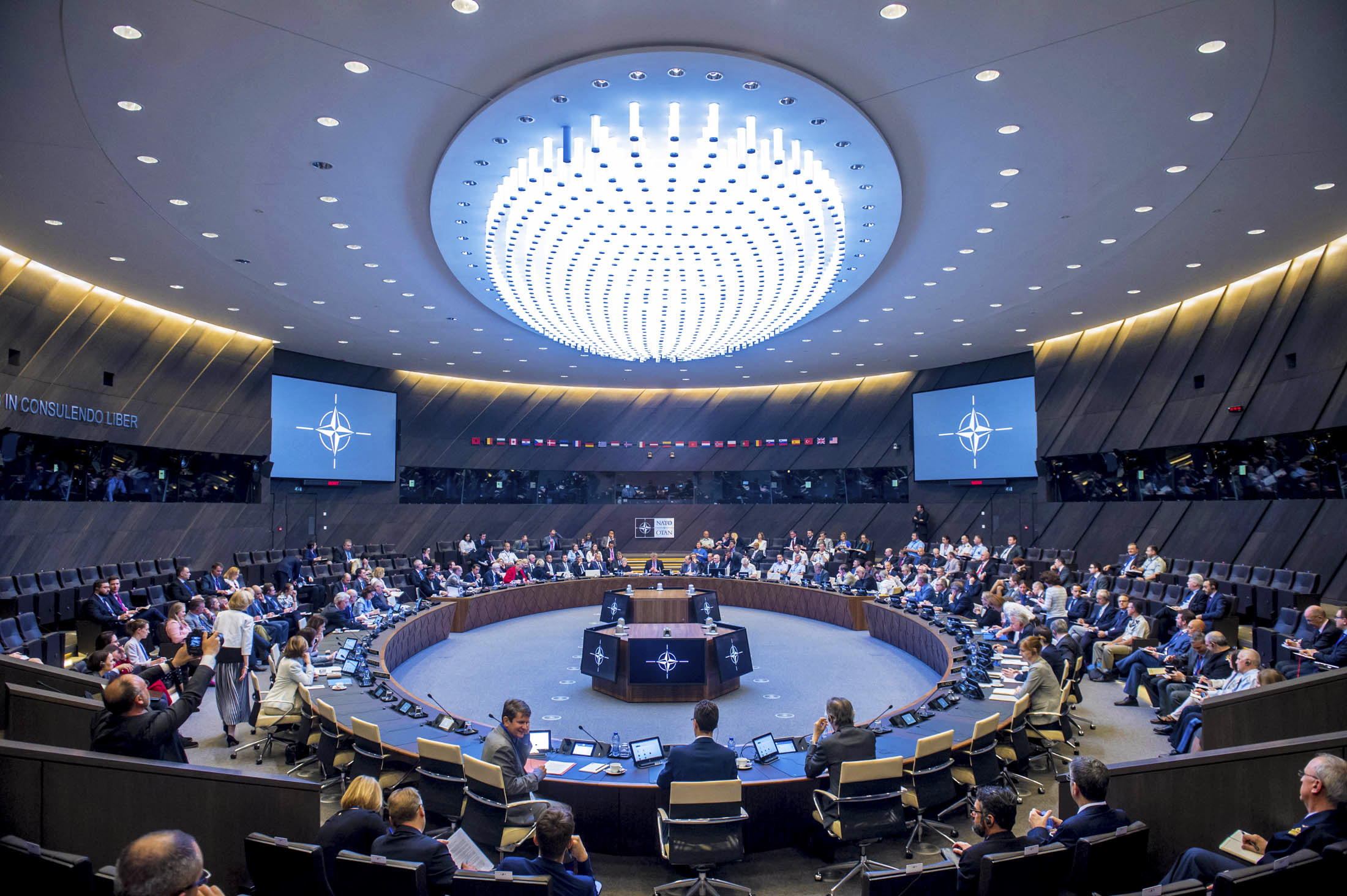
If Europe wants a credible defense posture, it’s going to need more than conferences and communiqués. It’s going to need warships, jets, and the will to fight — something no bureaucrat in Brussels can conjure on paper.
One thing is clear: the days of endless American cover are drawing to a close, and NATO’s next chapter may be written without the comfort of guaranteed U.S. air power overhead.
The opinions expressed by contributors and/or content partners are their own and do not necessarily reflect the views of RobManess.com. Contact us for guidelines on submitting your own commentary.
Join the Discussion
COMMENTS POLICY: We have no tolerance for messages of violence, racism, vulgarity, obscenity or other such discourteous behavior. Thank you for contributing to a respectful and useful online dialogue.