
The Senate Armed Services Committee voted this week to advance a landmark proposal that would officially restore the historic “Department of War” name to the nation’s premier military institution, replacing the post–World War II “Department of Defense” title.
The move, long supported by President Donald Trump and War Secretary Pete Hegseth, signals a return to plainspoken strength and unapologetic patriotism in how America defines its global role.
The measure is tucked into the committee’s version of the 2027 National Defense Authorization Act, the annual policy bill that funds our armed forces and outlines America’s military priorities.
Senator Tim Kaine, the Democrat from Virginia known for his dovish track record, proudly voted against the measure, lamenting both the name restoration and the continued funding of U.S. operations overseas.
Kaine declared the rebranding to be “juvenile,” complaining that it reflects “a President who has abandoned meaningful diplomacy.” His comments drew instant pushback from veterans and service members who understand that peace through strength is not “juvenile” but foundational to American power.
Under Trump’s leadership, Washington has begun acknowledging what the rest of the world already knows: America does not defend its freedom with kind words or weak posturing. The decision to restore the Department of War name is about transparency, history, and resolve.
Since the President’s September 2025 executive order reversing the 1947 terminology shift, many in the War Department have already adopted the new/old terminology informally.
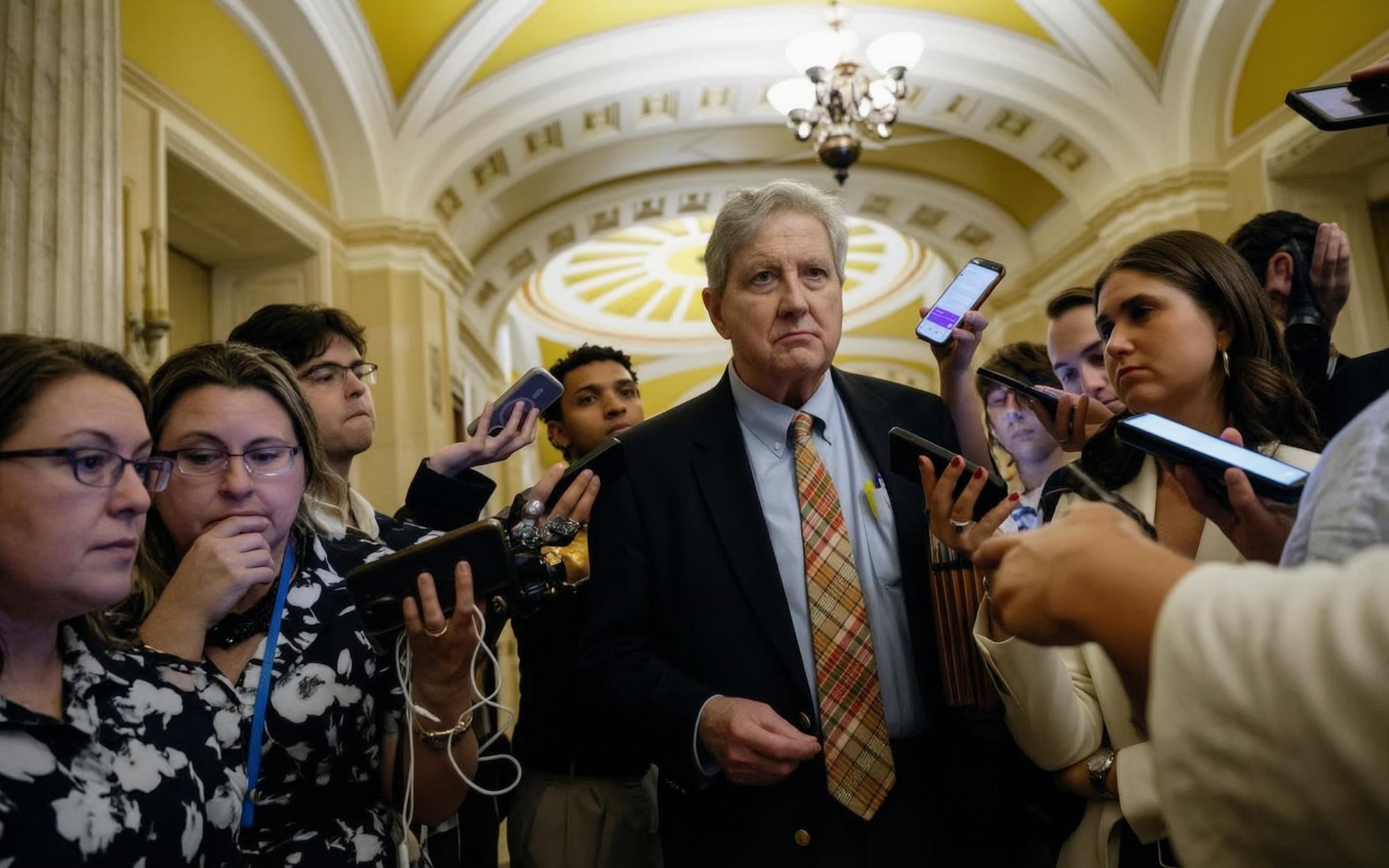
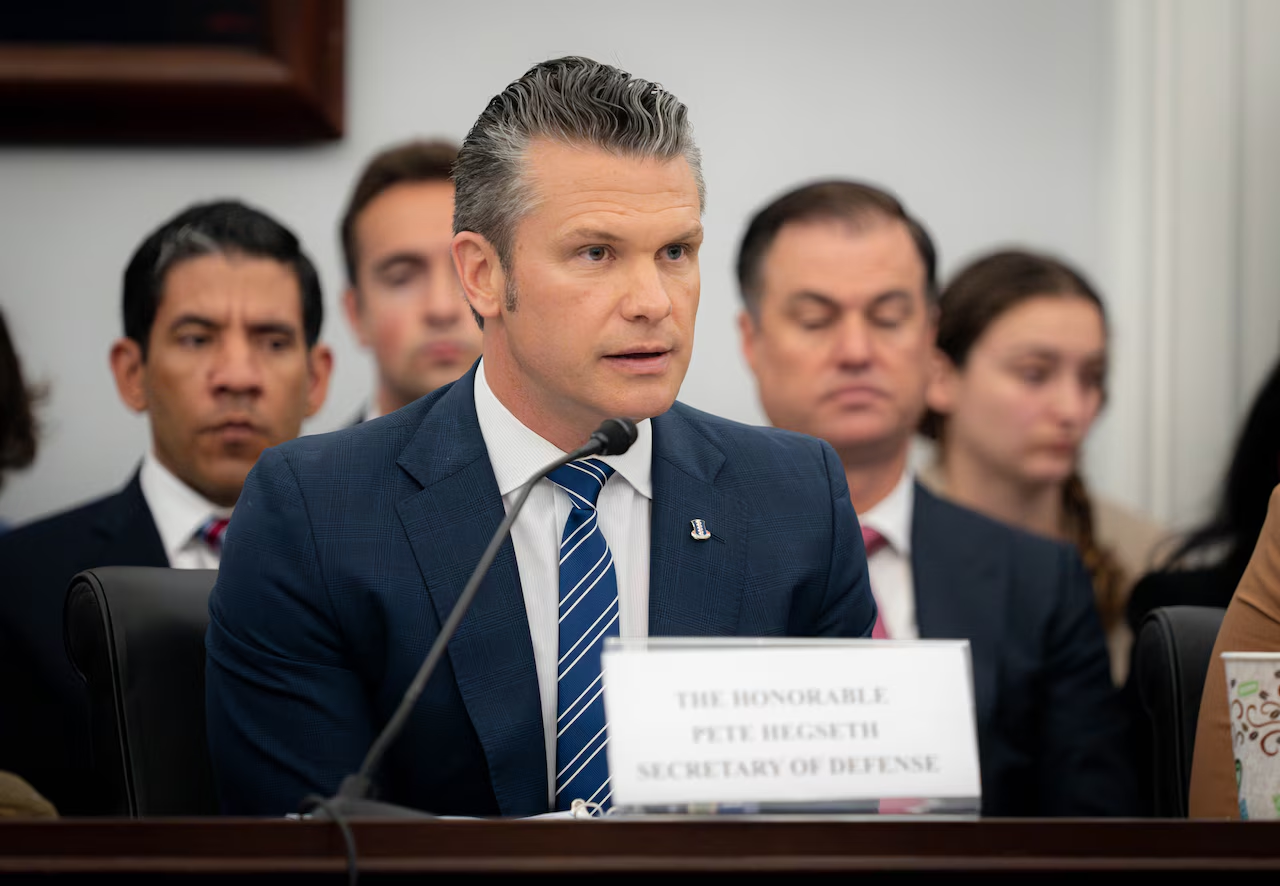
A week before the Senate committee’s vote, their House counterparts advanced the same amendment, moving the proposal along with the 2027 NDAA. War Secretary Pete Hegseth celebrated the development, calling it “the return of American clarity.”
In his remarks on social media, Hegseth declared, “The Department of War will officially be restored soon,” reminding Americans that strength and honesty are not mutually exclusive values.
Critics are crying foul, of course, shouting about cost and optics.
A Congressional Budget Office report estimated the rebranding might cost between $10 million and $125 million—a drop in the bucket compared to the bloated billions Washington happily throws away on climate initiatives or foreign aid to hostile regimes.
Democrats like Senator Jeff Merkley trotted out the usual talking points, claiming the move is a “vanity project” that “does nothing to advance national security.”
But that’s precisely where liberals get it wrong. The name “Department of War” carries historic weight. It is a statement to friend and foe alike that the United States no longer hides behind euphemisms.
When we employ power, it is not out of timidity but with righteous force. As Trump has repeatedly pointed out, America’s adversaries respect strength, not semantics. Moscow and Beijing are not losing sleep over our internal politics—they’re measuring our resolve.
Critics like Kaine and Merkley fail to understand that messaging is strategic. The change is not “performative,” as they call it. It’s mission-driven. In a world of increasing conflict and hybrid warfare, language matters.
By restoring the traditional title, the administration is reminding both Americans and the world that the United States exists to win wars, not manage decline.
Trump’s America rejects the soft rhetoric of endless diplomacy and bureaucratic handwringing. The new War Department embodies a government that confronts threats directly and doesn’t apologize for standing tall.
Pete Hegseth has become the face of that new ethos—a man unafraid to call things by their rightful name and lead with patriotism instead of politics.
Of course, inside the Beltway, the usual crowd of foreign policy theorists and think tank elites are squirming over the implications. Their discomfort is precisely the point.
For too long, Washington has concealed its intentions behind words designed to sound less threatening, as if the rest of the world didn’t notice our aircraft carriers and nuclear triad. The War Department name puts honesty front and center.
This move has unsurprisingly riled left-wing activists, whose worldview sees strength as aggression and moral clarity as dangerous.
Yet across the ranks of American troops, veterans, and patriotic citizens, the sentiment is largely the same: about time. Soldiers don’t fight in “defense paradigms”—they fight wars and they win them. The Department of War name honors that reality.
There’s no confusion in this new era of American leadership. With Trump in the White House and Hegseth at the helm of the War Department, Washington is once again projecting the type of dominance that kept America safe for generations.
This isn’t nostalgia; it’s necessity. The world’s bullies understand only one language—American power backed by conviction.
As the NDAA advances toward full approval, the restoration of the Department of War name stands as more than symbolic.
It’s a cultural reset for a military that once led with confidence, courage, and purpose. And judging from the reaction of the left, it’s hitting exactly the right targets.
The opinions expressed by contributors and/or content partners are their own and do not necessarily reflect the views of RobManess.com. Contact us for guidelines on submitting your own commentary.
Join the Discussion
COMMENTS POLICY: We have no tolerance for messages of violence, racism, vulgarity, obscenity or other such discourteous behavior. Thank you for contributing to a respectful and useful online dialogue.