
The United States has once again found itself confronting an adversary that prefers unconventional tactics over traditional military engagements, a reality that echoes many of the lessons learned during the post 9/11 wars.
While American forces have achieved significant battlefield successes against Iran's conventional military assets, analysts say the broader conflict highlights the enduring challenge of asymmetric warfare.
Unlike conventional conflicts that often measure success by destroyed equipment and captured territory, asymmetric warfare revolves around imposing long term costs, creating political pressure, and outlasting a more powerful opponent.
That distinction is increasingly shaping the current confrontation with Iran.
According to Jonathan Schroden, an irregular warfare expert with CNA, the United States is primarily pursuing a conventional military campaign while Iran continues relying on a very different strategy.
Those differing approaches could influence how each side measures success as the conflict continues.
“So, what you’re seeing right now is the U.S. is fighting a conventional war against Iran,” Schroden said.
“We believe that if we strike enough targets in Iran, cause enough damage, destroy enough capability, that they will capitulate. Iran’s theory of success in this war is to impose costs and to outlast the U.S. in time. And so, their theory really centers on economic aspects and time aspects, which translate into politics.”
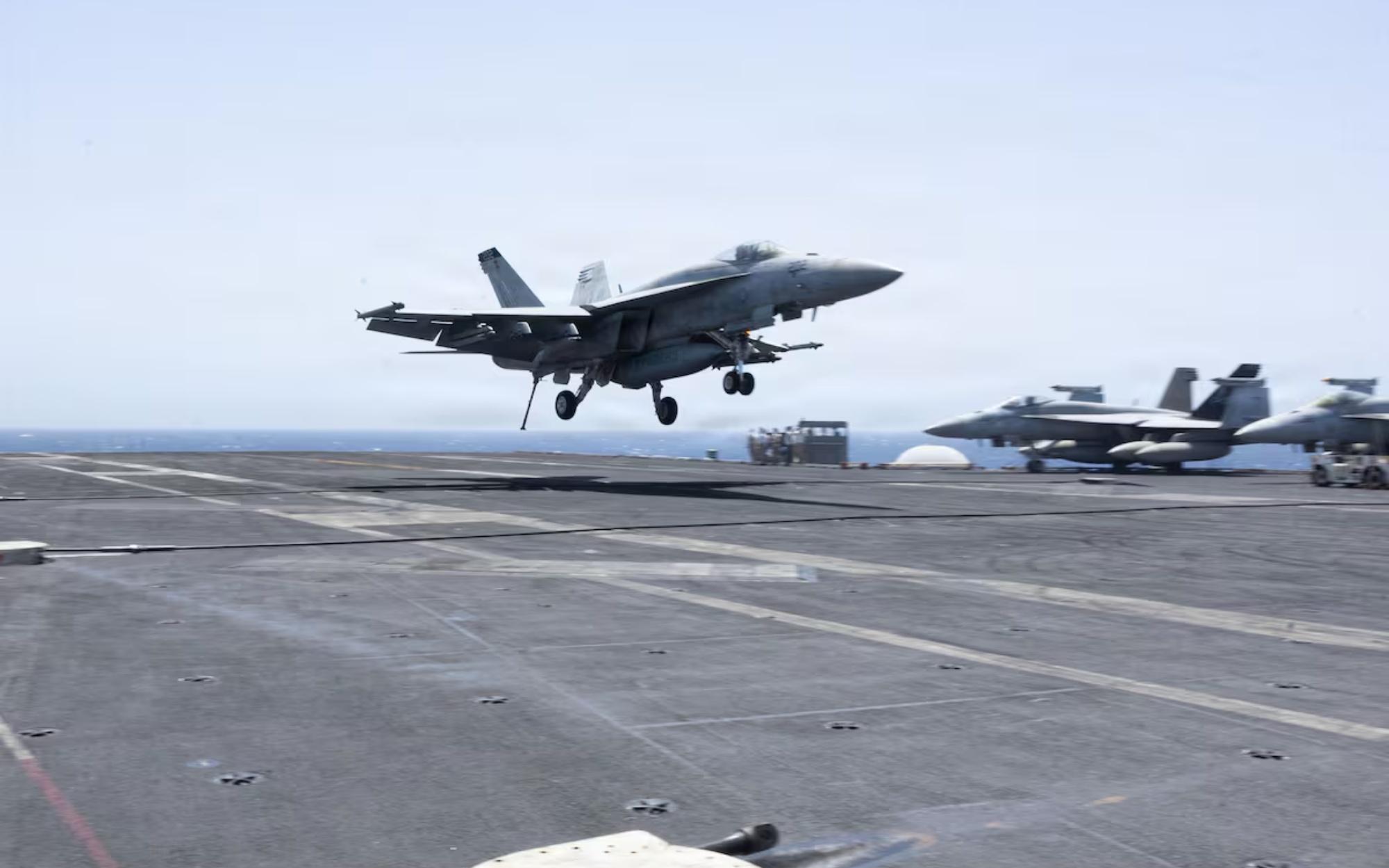
American military operations have reportedly devastated much of Iran's conventional navy, reducing its ability to fight traditional naval battles.
However, analysts note that the Islamic Revolutionary Guard Corps remains a separate force that specializes in unconventional operations.
That organization continues to control many of Iran's fast attack boats, drones, sea mines, and missile systems.
Those capabilities allow Tehran to threaten shipping and military targets without depending on large conventional formations that would be vulnerable to American firepower.
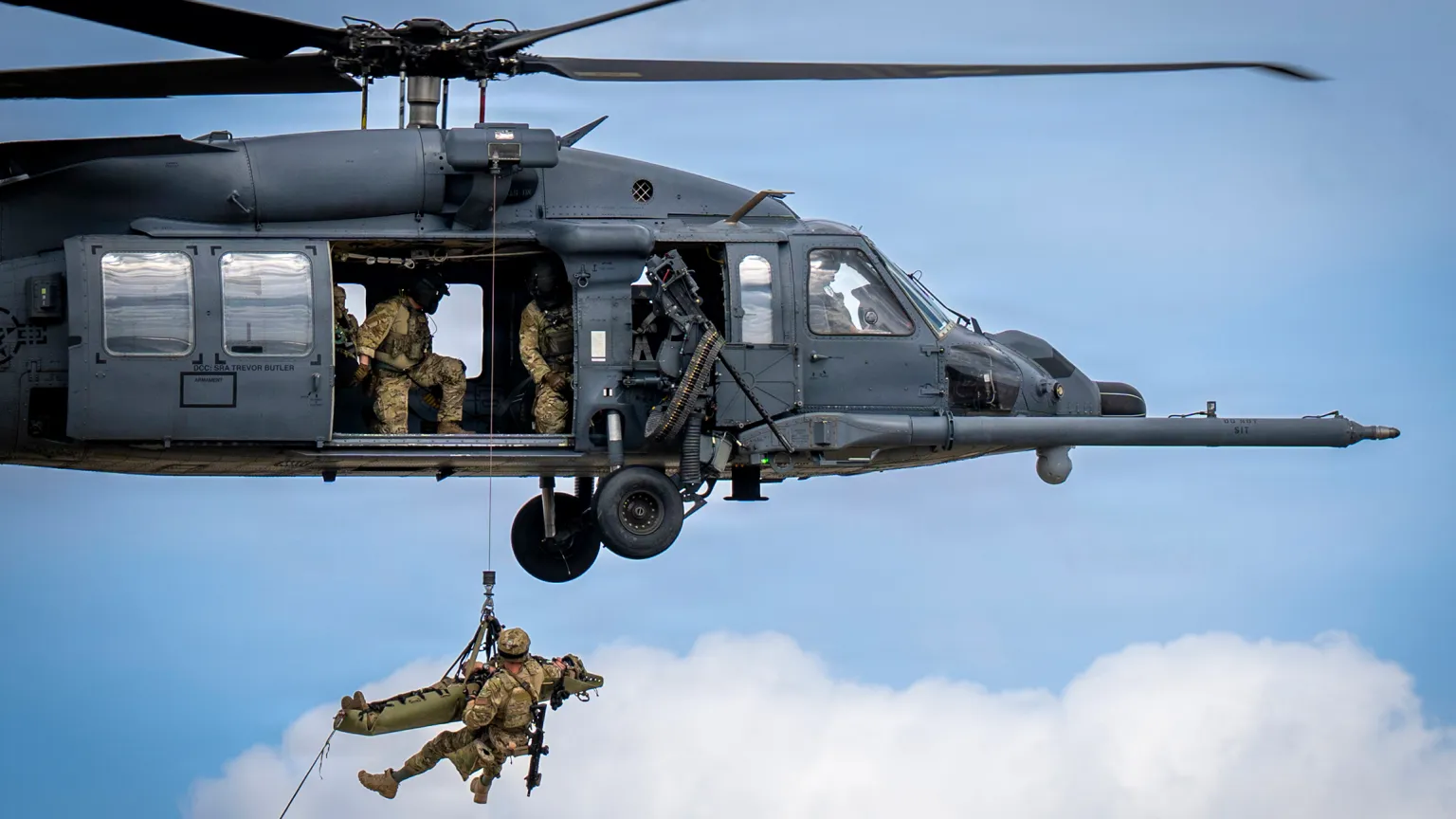
Even without deploying U.S. ground forces into Iran or fighting a classic insurgency, Schroden argued that familiar patterns from Iraq and Afghanistan are becoming visible.
The struggle is less about defeating large military formations and more about countering an opponent determined to stretch the conflict and increase its political and economic costs.
“Even though the U.S. military does not have troops deployed to Iran, nor are American service members fighting an insurgency, ‘there are strong echoes of our experience with fighting asymmetric enemies conventionally in Iraq, in Afghanistan,’” Schroden said.
He also argued that Iran's strategy includes attempting to inflict casualties on American personnel to generate political pressure on President Donald Trump.
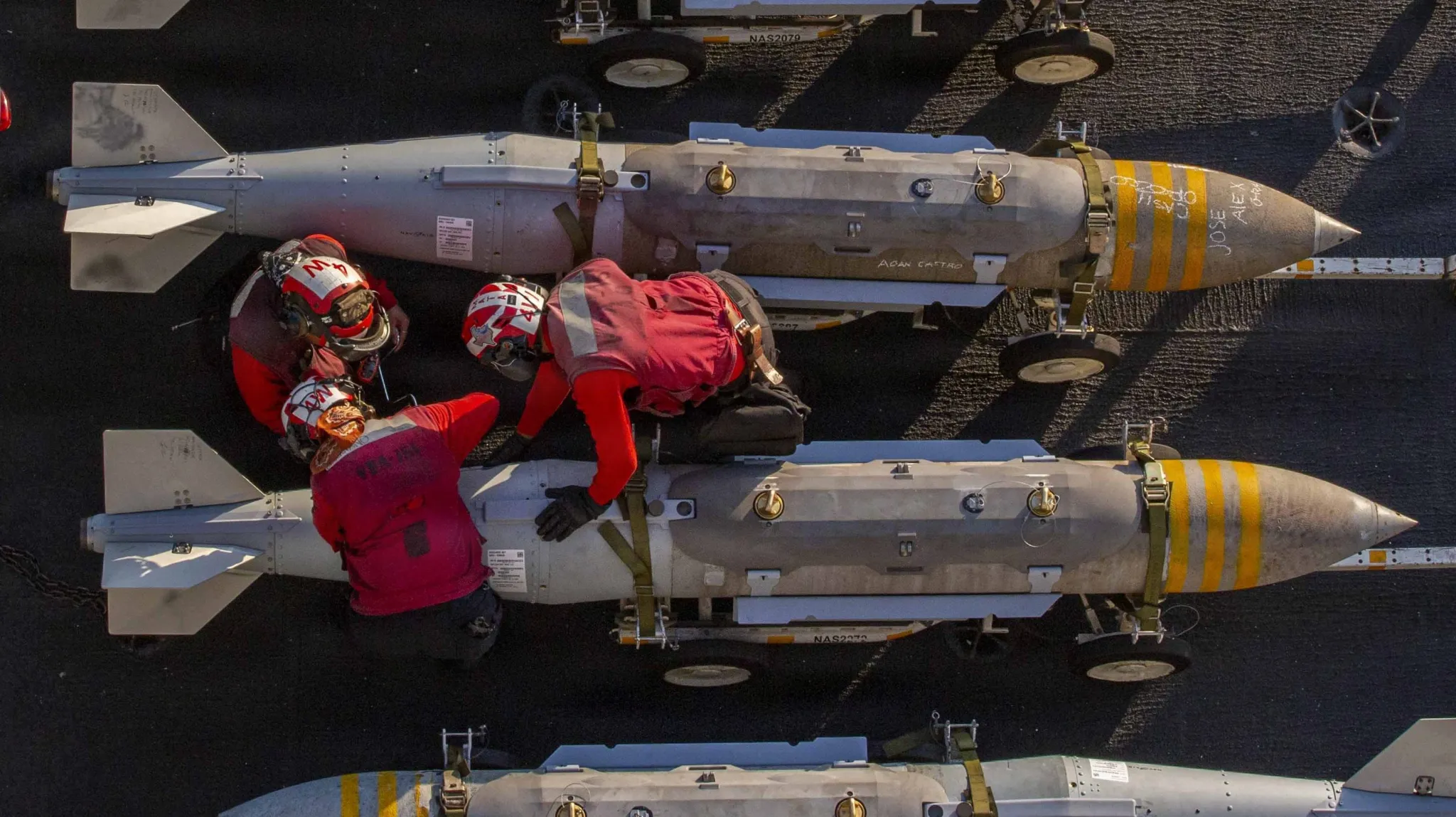
Rather than matching U.S. military power directly, the objective would be to raise the costs of continued military operations.
MORE NEWS: Medical Student Dorms for 5,200 Troops Set for Demolition After Serious Construction Failures
“What are we trying to do to Iran? We’re trying to impose pain,” Schroden said. “What is Iran trying to do to us? They’re trying to impose costs. Those are two different things.”
A War Department official declined to discuss whether Iran is specifically employing asymmetric tactics against American forces. The official said, “We do not discuss intelligence assessments for operational security reasons.”
The Strait of Hormuz has emerged as the central battleground in the conflict because of its enormous importance to global energy markets.
Before the fighting, roughly one fifth of the world's oil shipments moved through the narrow waterway, making any disruption economically significant.
Iran has sharply curtailed commercial shipping through the strait while the United States has reimposed a blockade on Iranian ports. President Trump also warned that American forces would target Iranian bridges and power infrastructure if attacks on commercial vessels continue.
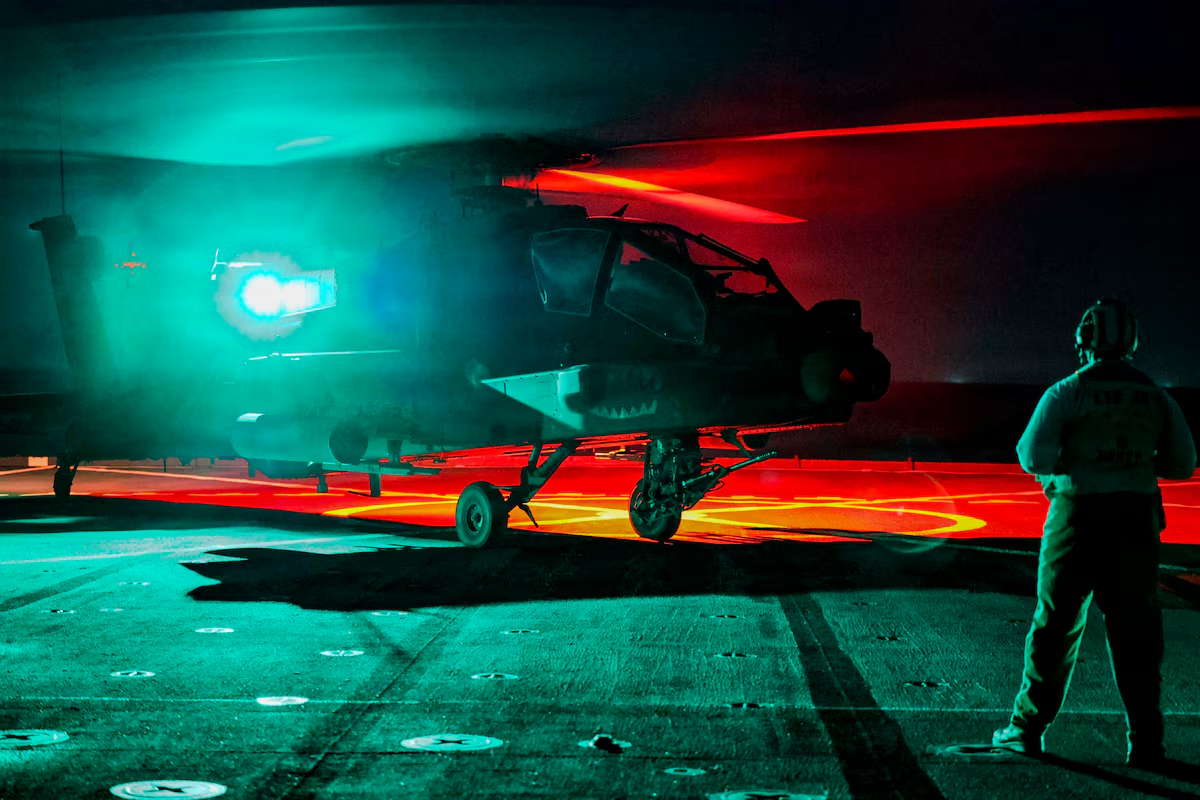
War Secretary Pete Hegseth told lawmakers that destroying Iran's conventional navy was an early military objective intended to protect freedom of navigation. He also acknowledged that eliminating every fast attack craft and coastal missile launcher is not realistically possible.
Hegseth further accused Iran of escalating the conflict through attacks on commercial shipping. He said Iran had “decided to become a terror state” and added that “one side weaponized the strait.”
Brian Carter of the American Enterprise Institute said Iran has spent years preparing for exactly this type of conflict.
Rather than trying to match the United States ship for ship or aircraft for aircraft, Tehran invested heavily in missiles, drones, and other lower cost capabilities designed to exploit vulnerable maritime chokepoints.
“At no point did Iran decide it would rely exclusively on conventional means — by which I mean modern combat aircraft, large surface vessels, etc — to challenge the United States,” Carter said.
“It was always clear that in a fight involving the U.S Navy, the larger Iranian surface vessels were as good as sunk as soon as the first shots were fired.”
Carter said even occasional successful strikes against commercial vessels could discourage shipping companies from entering the Strait of Hormuz. That would allow Iran to create significant economic disruption without winning a conventional military contest.
“The key to stopping the fire will be to make Iran unwilling to do so, but it is unclear to me how the present pattern of strikes will render Iran willing to stop,” Carter said.
“The Iranians are now dead set on achieving control of the Strait of Hormuz, and they show no signs that the current strikes are giving them cause for concern.”
The opinions expressed by contributors and/or content partners are their own and do not necessarily reflect the views of RobManess.com. Contact us for guidelines on submitting your own commentary.
Join the Discussion
COMMENTS POLICY: We have no tolerance for messages of violence, racism, vulgarity, obscenity or other such discourteous behavior. Thank you for contributing to a respectful and useful online dialogue.