
The Army is finally modernizing one of its oldest and most complained-about systems — the chow plan. Soldiers stationed at Fort Stewart, Georgia, will soon be able to grab a coffee at Starbucks or sink their teeth into a Subway sandwich using their regular meal cards, thanks to a new initiative aimed at making life on base a little less rigid.
Starting August 3, Fort Stewart will become the first Army installation to roll out the Flexible Eating and Expanded Dining Program, or FEED.
According to Capt. Destinee Johnson, a spokesperson for the 3rd Infantry Division, FEED represents a major step forward in how the Army feeds its soldiers — and hopefully, how it keeps them satisfied while doing it.
Under the new system, soldiers will be able to swipe their Common Access Cards at participating restaurants like Subway, Burger King, Starbucks and QDOBA, all of which operate under contracts with the Army & Air Force Exchange Service.
Each location will have a pre-approved FEED menu, ensuring troops can grab something hot and fast without worrying about breaking regulations or budgets.
The FEED program is part of a broader Army push to give junior enlisted troops more freedom in their daily lives.
For too long, the “three swipes a day” dining hall routine has felt more like a boot camp leftover than a perk of military service. The new system adds real flexibility to the process — and not a moment too soon.
The concept was tested last year at Fort Hood, Texas, where 200 soldiers from the 61st Quartermaster Battalion participated in the pilot run.
Army officials say the Fort Stewart rollout will serve as the model for other bases nationwide, as feedback from the pilot was extremely positive. Soldiers appreciated being able to grab food that didn’t taste like it came out of a field kitchen on a bad day.
In the old setup, troops living in the barracks received meal cards that entitled them to three standard meals at the dining facility.
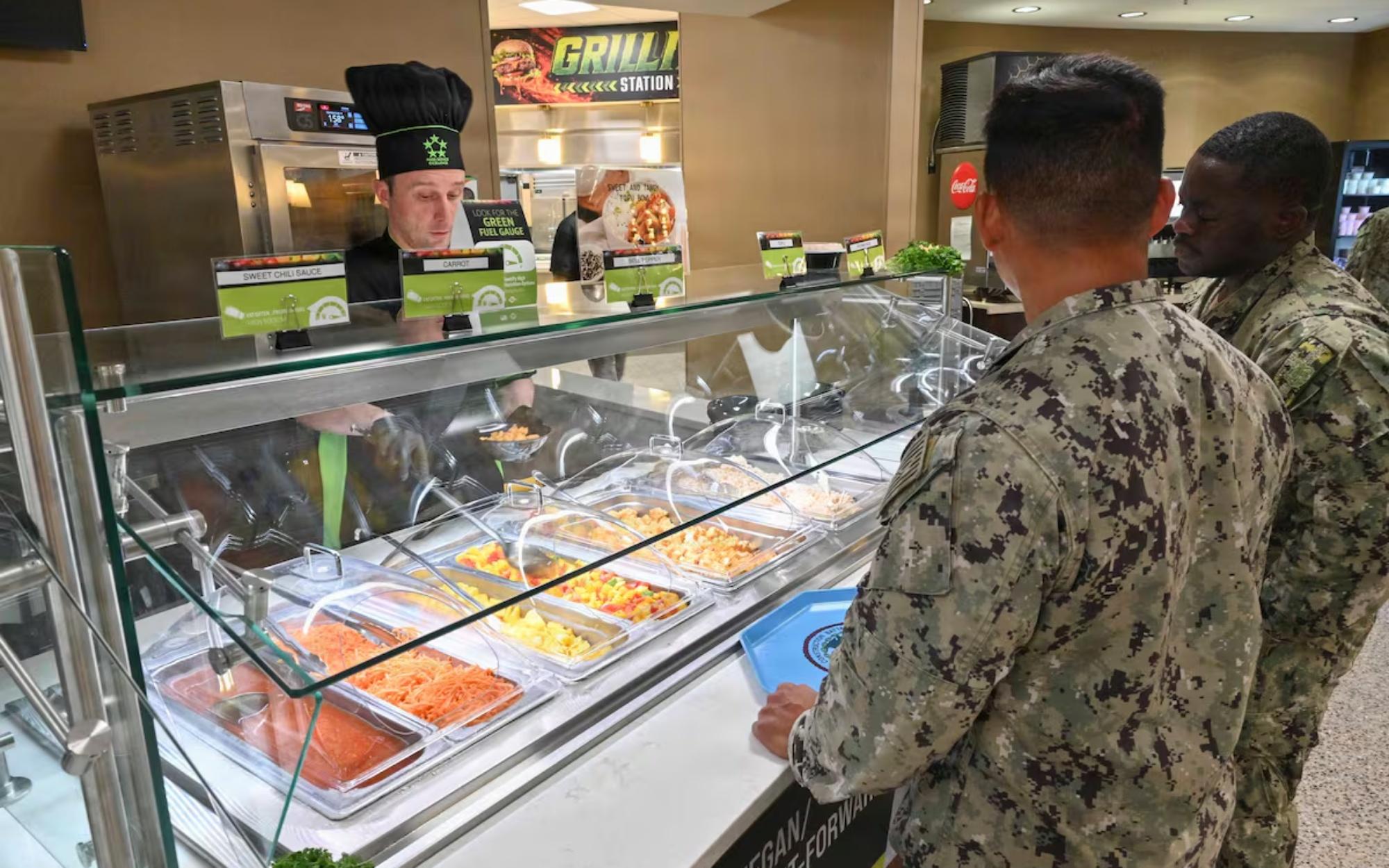
The menu might as well have been set in stone, and if you missed a meal, tough luck — it didn’t roll over. The new program keeps structure but introduces much-needed flavor by linking meal benefits to name-brand restaurants right on base.
Instead of “freedom dollars” used at other installations, Fort Stewart’s FEED soldiers will use their meal cards directly for specified menu items.
Those include options like a bacon, egg, and gouda sandwich with milk or juice, or a vegetarian-friendly red pepper egg bite breakfast — a noticeable upgrade from powdered eggs and mystery meatloaf.
According to Army Materiel Command spokesperson Samantha Tyler, soldiers will also be allowed to redeem missed meals as long as the restaurant is still serving that option.
If a soldier misses breakfast due to early duty, for instance, they can still make it up later by redeeming breakfast and lunch separately. It’s a small but important nod to the unpredictable nature of military schedules.
Menu items and meal options under the FEED program will be clearly marked on restaurant boards and displayed in the My Army Post app, letting soldiers know exactly what counts toward the meal plan. The move also gives troops the freedom to eat closer to their work area or housing — a big deal for bases where dining facilities are few and far between.
While this may sound like a small lifestyle change, in military terms, it’s a huge cultural shift. The Army has long battled complaints about low-quality dining hall food, inconvenient hours, and a general lack of choice.
Now, troops will have the chance to eat more like civilians, without paying extra out-of-pocket. That’s not just troop morale — that’s retention strategy.
MORE NEWS: Anduril Unleashes ‘Thunder’ Autonomous Attack Rotorcraft to Redefine Battlefield Air Power
The Navy is already taking notes. A similar program is now being tested at Naval Base Kitsap-Bangor in Washington, where sailors are swiping their cards for meals at on-base restaurants. The reaction from sailors has mirrored the soldiers’ response: enthusiastic approval mixed with a hint of disbelief that the brass actually listened for once.
For years, enlisted service members have dealt with bureaucratic food systems that ignored their reality. The FEED program, by contrast, reflects a War Department that seems to understand what motivates modern troops — convenience, flexibility, and being treated like adults.
It’s a smart move that aligns morale with practicality and shows that sometimes, the simplest acts of modernization make the biggest difference.
If allowing a soldier to buy Starbucks on base with their meal card makes it easier for them to focus on the mission, then it’s hard to argue with that kind of progress. Here’s hoping FEED spreads as fast as the lunch line at Burger King after a long field day.
The opinions expressed by contributors and/or content partners are their own and do not necessarily reflect the views of RobManess.com. Contact us for guidelines on submitting your own commentary.
Join the Discussion
COMMENTS POLICY: We have no tolerance for messages of violence, racism, vulgarity, obscenity or other such discourteous behavior. Thank you for contributing to a respectful and useful online dialogue.