
The Selective Service System is preparing to test whether America’s draft machinery can still move at wartime speed, and the agency is not exactly radiating confidence about the condition of its old playbook.
The agency wants vendors to build a new computer model called the “Readiness Simulation,” a tool designed to stress test national mobilization scenarios before a major change arrives in the draft registration system.
Since 1940, men in a designated age bracket have been required to register with Selective Service. Under a proposed rule, however, men ages 18 to 26 would be automatically registered beginning Dec. 19, 2026.
That means the system would no longer depend primarily on young men filling out registration paperwork themselves. Instead, Selective Service would pull information from other federal databases, because apparently Washington has finally discovered it already collects mountains of data on Americans.
The shift may sound simple on paper, but the agency’s own language suggests the machinery behind the curtain is creaky. In a Request for Quote, Selective Service warned, “SSS currently relies on manual analysis, legacy modeling approaches, outdated assumptions, and historical datasets that do not fully reflect modern demographics, communications channels, throughput constraints, or operational readiness conditions.”
That is bureaucratic speak for a system that may not be ready for the pressure of a real national emergency. The agency is now asking contractors to submit proposals by Aug. 14 for simulation models that can show what breaks first when the process is pushed hard.

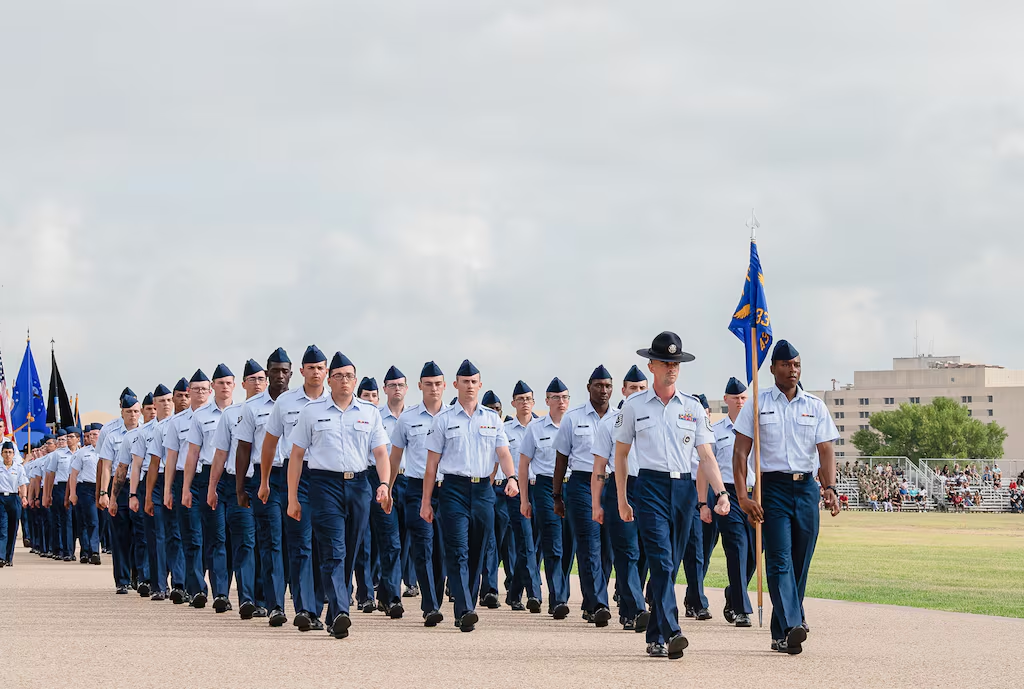
The new simulation would examine staffing and resource demands, mobilization scenarios, police scenarios, and the impact of surge conditions. It would also “identify throughput risks, delays, and bottlenecks” while helping senior officials with planning and reporting obligations.
The stated goal is to create a system that “models the full end-to-end SSS mobilization pipeline, supports configurable scenarios, and provides decision-support analytics necessary for leadership, planners, and operators.” In plain English, Selective Service wants to see the entire draft process on a digital battlefield before it has to rely on it in the real world.
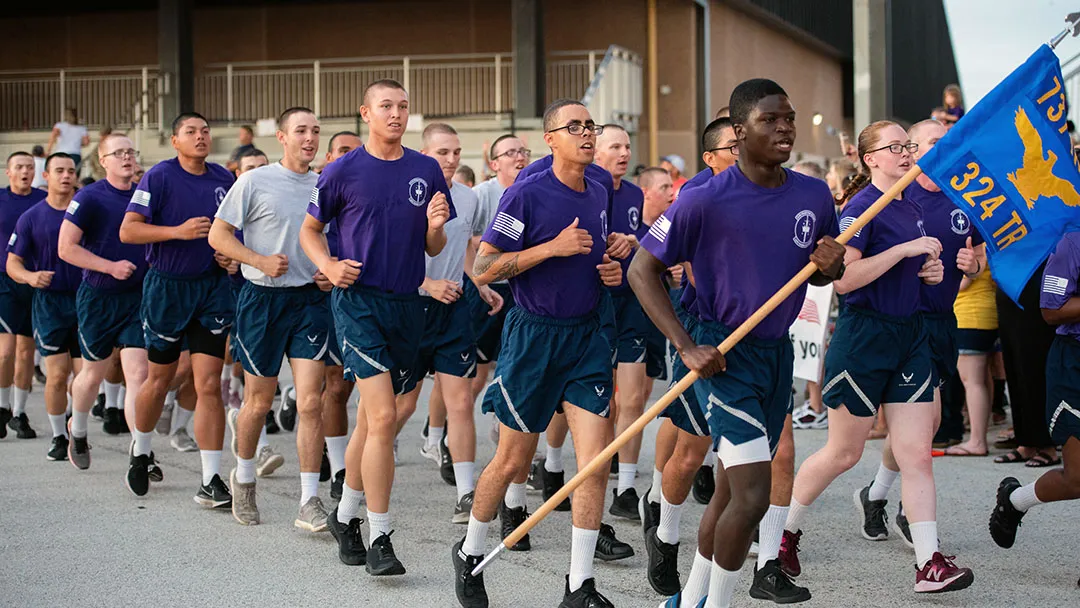
The scenarios would cover registration, selection, notification, delivery, and classification. They would also include the Alternative Service Program, which handles options such as community service and conscientious objector cases.
MORE NEWS: Military Air Traffic Controller Shortage Puts Safety, Missions on the Line, Watchdog Warns
The model would have to account for the military entry pipeline as well. According to the Request for Quote, computer models will “represent MEPS [Military Entrance Processing Stations] throughput, no-shows, medical disqualification rates, claims processing, and ASP diversion.”

Those details matter because a draft is not just a list of names. It is a massive national intake operation involving notifications, medical checks, legal claims, classification decisions, transportation, and the unpleasant reality that not everyone called will show up or qualify.
Contractors are also being told to build the tool with some humility about the data. The agency said vendors must be ready to operate the Readiness Simulation while “recognizing that legacy SSS draft data may be outdated or unreliable.”
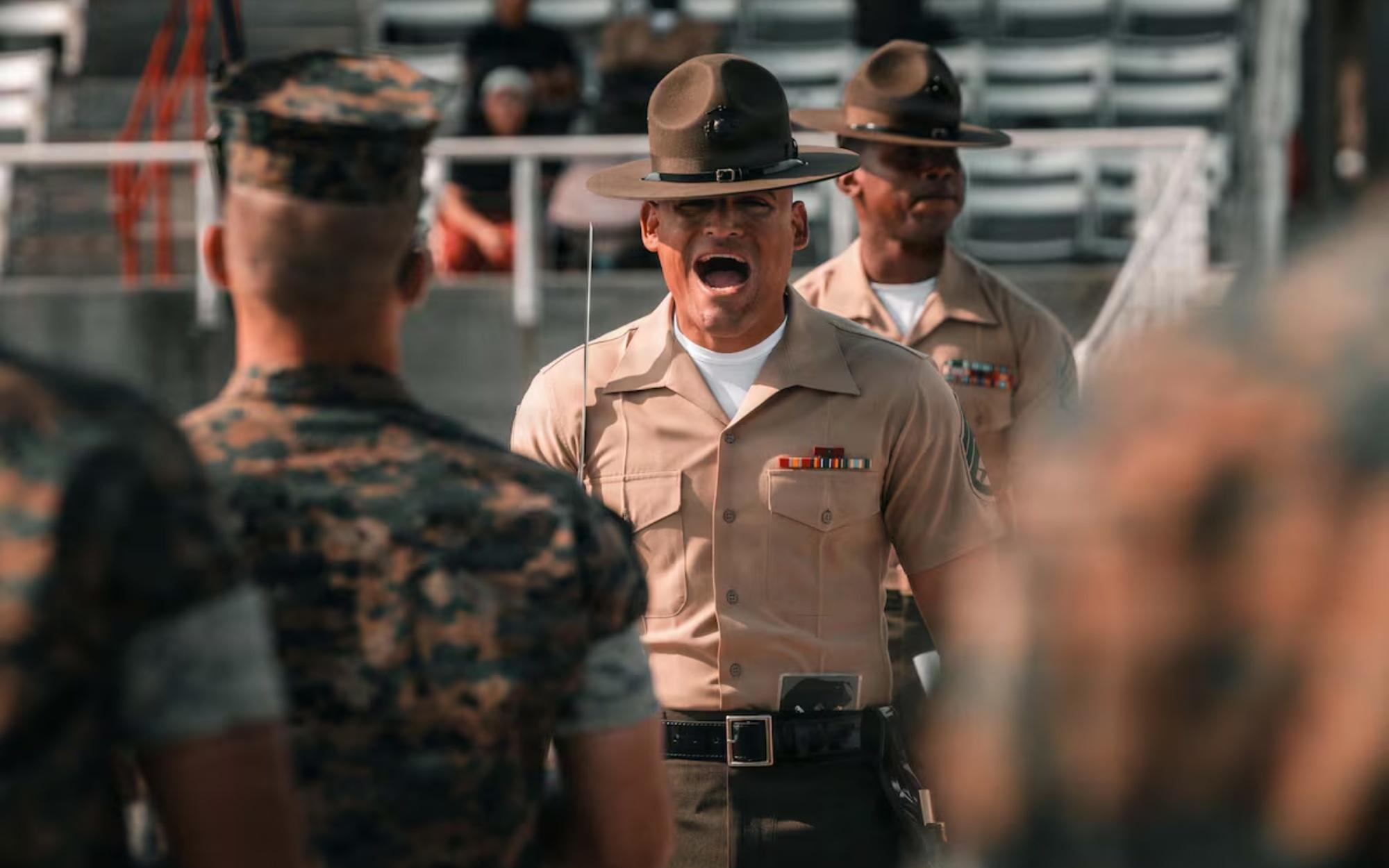
That admission is significant, because any serious mobilization plan depends on accurate numbers. If the government is planning around stale assumptions and old demographic models, the result could be confusion at precisely the moment the country can least afford it.
The automatic registration plan also raises obvious privacy questions. A draft system built from information compiled by other federal agencies may be efficient, but Americans are right to ask exactly what data is being used, how it is being protected, and who gets access to it.

Selective Service says the simulation “shall operate within an SSS-designated cloud environment, use anonymized aggregate data, and support complete Government ownership and sustainment.” The agency also says the system must comply with multiple privacy regulations.
That may reassure some people, but plenty of Americans have watched federal data promises age about as well as milk in July. When Washington combines national mobilization with interagency data sharing, the public deserves more than soothing paperwork and a few compliance boxes.
The broader issue is readiness. In a world where great power conflict is no longer some think tank parlor game, the United States cannot afford a mobilization system based on dusty assumptions and manual analysis.

The Department of War, the services, and national security planners need reliable answers before a crisis hits. Selective Service now appears to be acknowledging that the draft system needs a serious shakedown before the automatic registration era begins.
Whether the simulation exposes manageable gaps or a deeper readiness problem remains to be seen. Either way, the agency is preparing to wargame the draft, and that alone tells Americans the old system may not be as ready as everyone assumed.
The opinions expressed by contributors and/or content partners are their own and do not necessarily reflect the views of RobManess.com. Contact us for guidelines on submitting your own commentary.
Join the Discussion
COMMENTS POLICY: We have no tolerance for messages of violence, racism, vulgarity, obscenity or other such discourteous behavior. Thank you for contributing to a respectful and useful online dialogue.