
After weeks of speculation, it appears American boots will soon be back on Polish soil.
A top Polish defense official confirmed this week that the United States military will restart troop rotations to Poland “in the coming weeks,” signaling a reversal after the Pentagon, under President Trump’s war department, had abruptly paused the movement of nearly 4,000 soldiers earlier this year.
Poland’s Minister of National Defense, Wladyslaw Kosiniak-Kamysz, announced the restart during a speech in Bydgoszcz, Poland, where he was marking a new deal for Polish production of American-designed cruise missiles.
“The rotation of U.S. troops, which was suspended several weeks ago, is resuming and will continue, and in the coming weeks, the rotation of U.S. troops to Poland will be completed,” Kosiniak-Kamysz declared to strong applause.
MORE NEWS: U.S. Hits Iran with Punishing New Strikes After Oil Sanctions Snapback Over Tanker Attacks
The suspended rotation involved the 2nd Armored Brigade Combat Team, 1st Cavalry Division—roughly 4,000 soldiers who were set to deploy to Poland as part of Operation Atlantic Resolve.
The mission, launched to bolster NATO allies and deter Moscow’s aggression, had been one of the highest-profile components of the U.S. military’s presence in Eastern Europe since Russia’s 2022 invasion of Ukraine.
Kosiniak-Kamysz said he received the confirmation from U.S. Embassy officials in Warsaw, including Deputy Chief of Mission Stephanie Holmes and Washington’s Military Attaché in Poland.
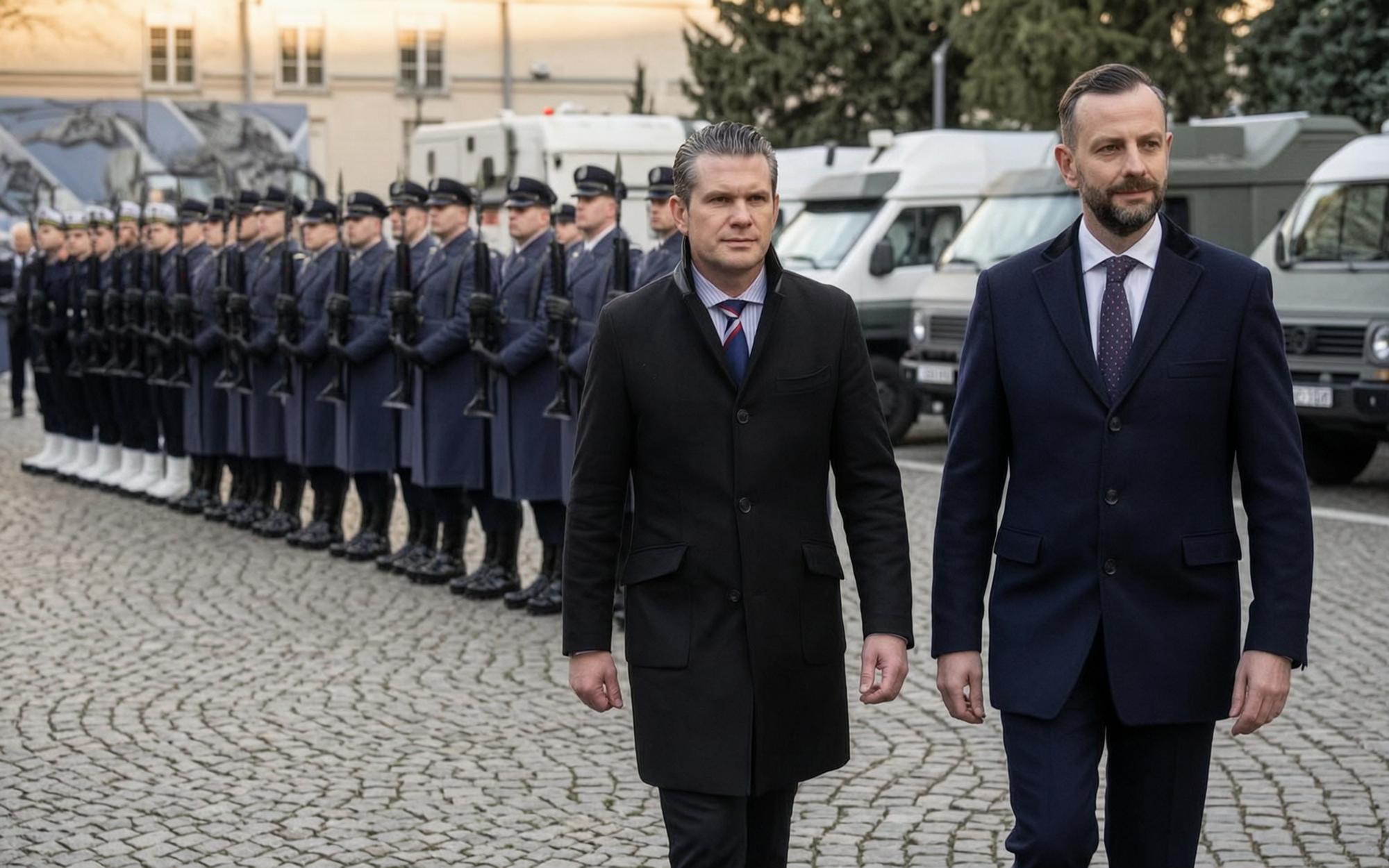
While the U.S. State Department and War Department have remained tight-lipped on specifics—including deployment size and timing—Polish officials made clear that the message was straightforward: the troop flow is coming back online.
The announcement marks a notable shift after the Pentagon suddenly canceled the brigade’s anticipated May deployment.
That decision coincided with President Trump’s move to reassess America’s long-term force posture in Europe, including the plan to draw down 5,000 troops from Germany due to Berlin’s weak support in the Iran conflict and NATO cost-sharing disputes.
While the Biden-era War Department might have preferred to slow-roll deployments, the change comes amid Trump’s recalibration of U.S. global commitments toward nations that actually pull their weight.
Trump himself previously vowed to station an additional 5,000 American troops in Poland, a move that instantly rattled the sleepy bureaucrats in Brussels but thrilled frontline NATO allies who take defense seriously.
Even amid the temporary pause, several thousand U.S. soldiers have remained in Poland. At the end of June, command of the mission shifted from the 3rd Infantry Division to the 1st Infantry Division, continuing rotational operations in the eastern flank.
American armored units, aviation brigades, and sustainment forces have provided intelligence support, logistics, and deterrence missions throughout the region.
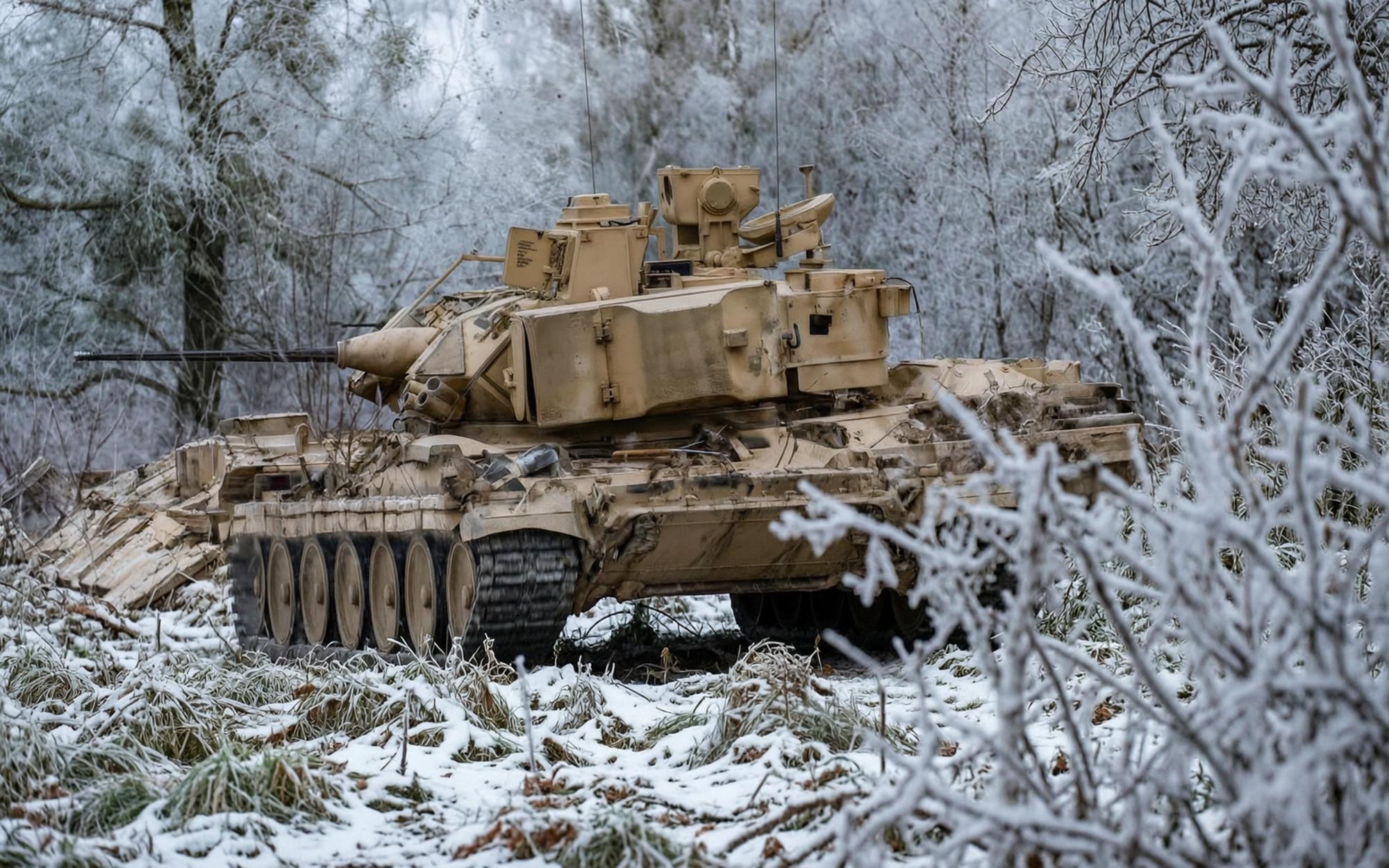
Since the early stages of the Ukraine war, Operation Atlantic Resolve has seen American troop numbers in Central and Eastern Europe rise to historic levels.
Five full brigade rotations and two division headquarters deployed through Poland, Romania, and the Baltics at the height of the conflict. Those numbers have since scaled back slightly amid Trump’s Europe force review led by War Secretary Pete Hegseth.
Hegseth’s ongoing strategic review—a key piece of Trump’s broader military realignment—aims to move beyond NATO dependency and towards a structure that reinforces America’s interests, not Brussels’ bureaucracy.
Sources close to the review say the plan seeks to redirect overstretched resources and dismantle the lingering inertia from the globalist defense policies of the last several administrations.
While the details of this new Poland rotation remain confidential, the symbolic value is crystal clear. Reestablishing the presence signals that the United States once again prioritizes strong, practical allies on NATO’s front line.
For Poland, a nation historically wary of Russian pressure, an active U.S. military footprint serves both as deterrence and diplomatic reassurance.
President Trump’s decision to use rotational force presence instead of permanent basing aligns with his strategy of flexible power projection.
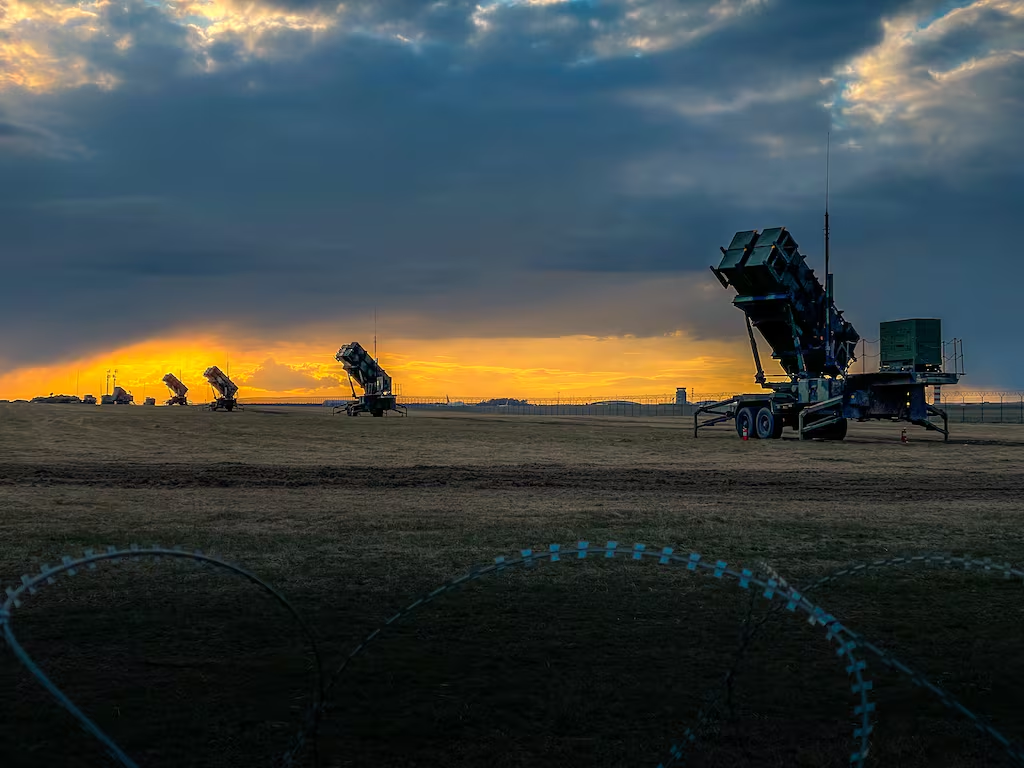
Poland, in turn, has responded by investing heavily in its own defense—ordering American Abrams tanks, Apache helicopters, and Patriot air defense systems. In short, Warsaw is stepping up while the rest of Europe debates.
The May cancellation, which stirred anxiety among both Polish military planners and some American commanders, now seems more like a temporary pause in a broader shuffle rather than a retreat.
Reinstating this rotation will restore operational continuity for Atlantic Resolve and maintain America’s credibility on NATO’s most active flank.
The White House and War Department have yet to commit to exact troop figures or units involved in the resumed rotation. However, the move aligns with Trump’s consistent pledge to maintain U.S. strength abroad while refusing to bankroll European complacency. As one senior Polish defense analyst put it this week, “Washington’s message is clear: America stands with partners that stand with America.”
For now, Poland’s message is equally firm: when it comes to defending the frontier of freedom in Eastern Europe, the eagle and the white-and-red flag are still flying side by side.
And soon, if all goes as planned, the thunder of American tanks will once again roll across Polish fields—not as conquerors, but as allies ready for whatever Moscow dreams up next.
The opinions expressed by contributors and/or content partners are their own and do not necessarily reflect the views of RobManess.com. Contact us for guidelines on submitting your own commentary.
Join the Discussion
COMMENTS POLICY: We have no tolerance for messages of violence, racism, vulgarity, obscenity or other such discourteous behavior. Thank you for contributing to a respectful and useful online dialogue.