
The Marine Corps just made history by officially activating its first-ever unmanned maintenance squadron: Marine Unmanned Maintenance Squadron 14, or MUMS-14.
The new unit stood up during a formal ceremony at Marine Corps Air Station Cherry Point in North Carolina, signaling a major leap forward in unmanned combat aviation.
As part of the 2nd Marine Aircraft Wing, MUMS-14 represents a hard-hitting strategic investment by the Corps to support rapidly expanding drone operations.
The unit’s mission is straightforward yet forward-looking — bring unmanned aviation maintenance right to the point of battle, ensuring that Marines on the front lines always have the eyes in the sky they need to dominate.
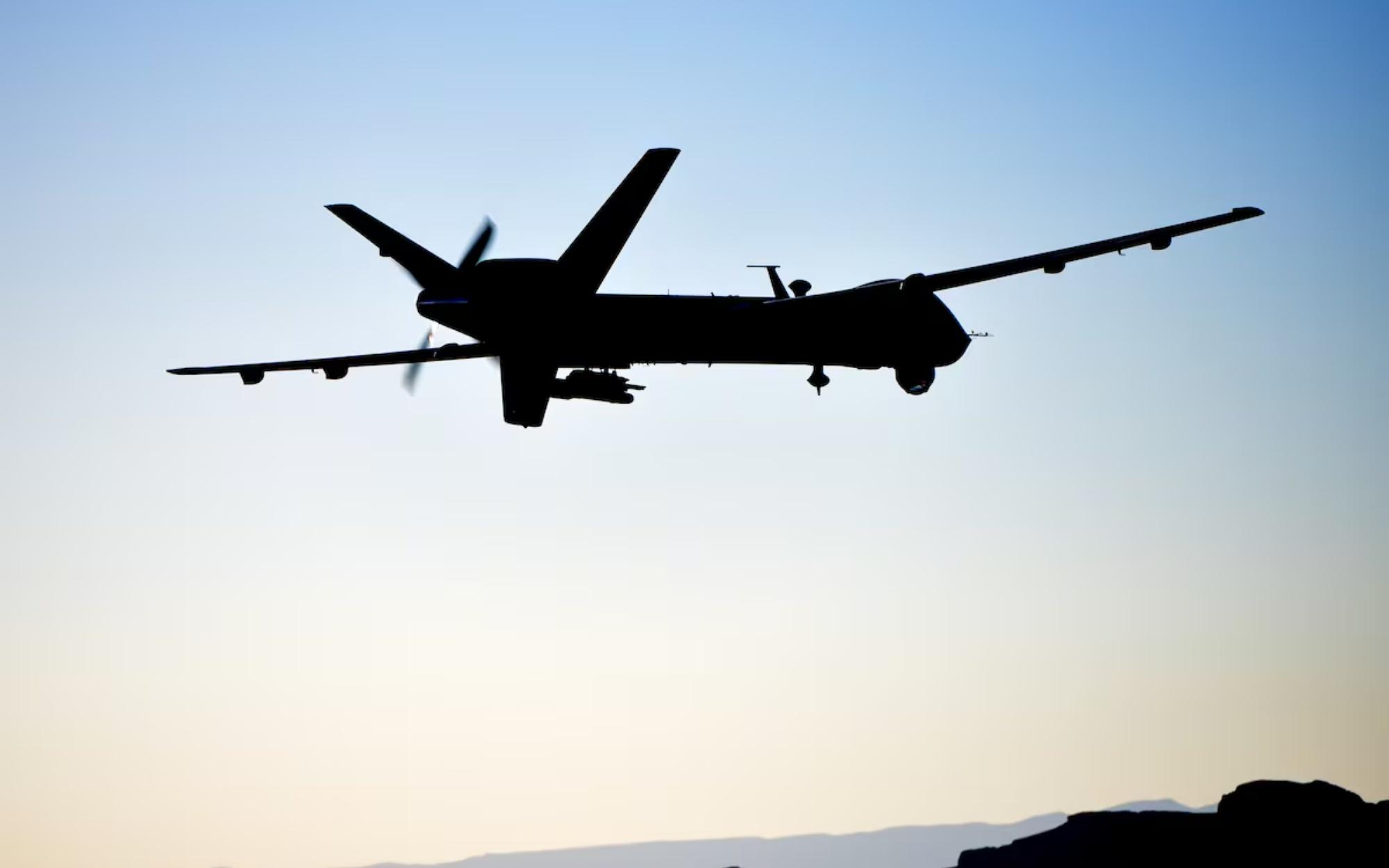
According to the Marine Corps announcement, MUMS-14 will focus primarily on the service’s Group-5 unmanned aerial systems, most notably the MQ-9 Reaper.
The Reaper is already a proven platform known for its extensive range, advanced surveillance capabilities, and lethal precision strike potential. Now, with dedicated Marine maintenance crews specialized in the platform, operational persistence and readiness will rise to new heights.
Lt. Col. Jeffrey F. Carben, the first commanding officer of MUMS-14, made it clear that the milestone isn’t just another administrative move—it’s a transformational step in the Corps’ modernization effort.

“Standing up this squadron marks a major step forward for Marine Corps aviation,” Carben said. “Our unit ensures the Marine Corps will maintain a persistent, reliable, and expeditionary capability — one that directly strengthens deterrence and supports Marines operating forward.”
That “expeditionary” mindset remains core to Marine culture: lean, adaptable, and mission-ready anytime, anywhere.
The service’s emphasis on unmanned warfare links directly with Secretary of War Pete Hegseth’s broader push to restore American military dominance through strength, innovation, and capability rather than bureaucracy.
Carben assumed command on Tuesday, joined by Sgt. Maj. Tavaris J. Douglas, who will serve as the unit’s senior enlisted leader.
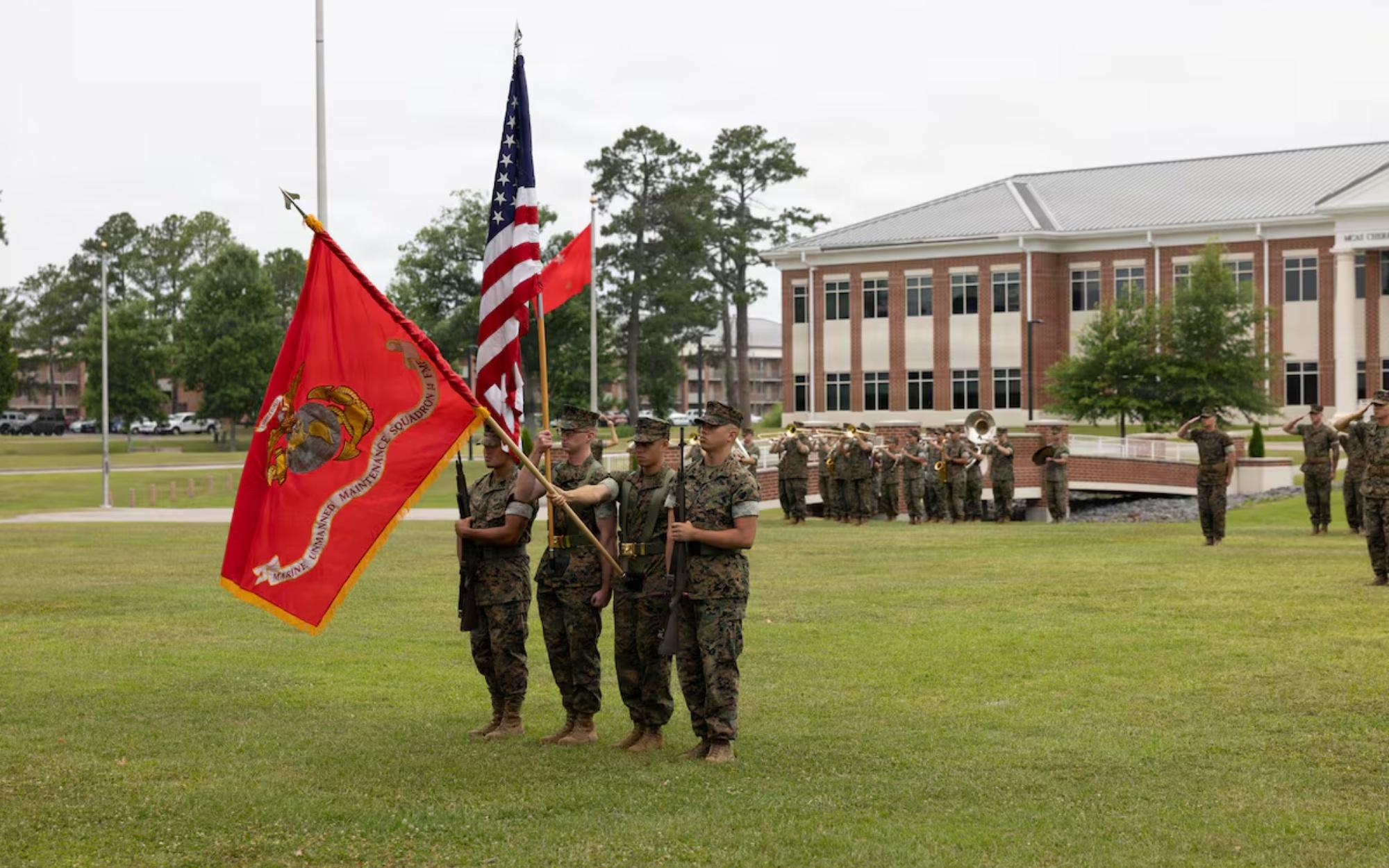
Together, they’ll lead the Corps’ first team of drone-specific maintainers, ensuring the Reapers keep flying and the mission keeps moving—especially in contested environments where delays mean danger.
“The work done here will have global impact,” Carben added.
“It takes disciplined, technically skilled Marines to keep these systems flying. Today’s activation is more than a ceremony — it’s the beginning of a new chapter of Marine Corps aviation. This squadron will help ensure Marines forward have the persistent eyes, ears, and reach they need to compete and win.”
That sentiment hits the heart of why this unit matters. It’s not about fancy politics or media flash.
It’s about giving Marines the unmanned capabilities that ensure victory in the modern age of warfare — a critical edge in a world increasingly defined by reconnaissance, real-time intelligence, and long-range engagement.
Unmanned aircraft like the MQ-9 Reaper are no longer just support tools; they’ve become integral combat assets. They collect intelligence, provide overwatch, and execute surgical strikes, often before the enemy even knows what hit them.
For the Marines, ensuring those aircraft remain functional in austere, forward-deployed areas is mission-critical. That’s exactly what MUMS-14 is built for.
This foundation also positions the Corps to expand into even more advanced unmanned systems down the road.
Integration between human warfighters and autonomous assets is expected to be a defining factor in future military dominance, and the Marines clearly intend to stay out front of that curve.
With MUMS-14 now operational, expect efficiency and capability across drone squadrons to rise sharply.
The unit’s field-based emphasis will free up other commands to focus on tactical and operational planning while MUMS-14 ensures equipment stays battle-ready. It’s old-school Marine grit applied to high-tech aviation.

The activation ceremony might not have made political headlines, but its importance is hard to overstate.
It marks a new era where the Corps blends tradition with technology, ensuring Marines have every advantage as America faces growing global threats from China, Russia, and rogue states eager to test U.S. resolve.
MORE NEWS: Two Boeing Employees Were Among the Eight Killed in Fiery B-52 Crash at Edwards Air Force Base
Every Marine knows the motto, “Adapt and overcome.” With MUMS-14, the Corps just proved it still lives by it.
As this new squadron spins up, one thing is clear: the Marine Corps isn’t just keeping pace with the future of warfare—it’s leading it.
The opinions expressed by contributors and/or content partners are their own and do not necessarily reflect the views of RobManess.com. Contact us for guidelines on submitting your own commentary.
Join the Discussion
COMMENTS POLICY: We have no tolerance for messages of violence, racism, vulgarity, obscenity or other such discourteous behavior. Thank you for contributing to a respectful and useful online dialogue.