Ukrainian leader Volodymyr Zelenskyy has mailed back Poland’s highest state decoration, the Order of the White Eagle, after the Polish president revoked it in a fiery political skirmish rooted in bitter World War II memories and modern national rivalries.
The spat, which erupted over Zelenskyy’s decision to name a Ukrainian military unit after a controversial wartime formation, spotlights how fragile the alliance between Warsaw and Kyiv has become amid their shared struggle against Russian aggression.
Zelenskyy explained his decision bluntly on X, declaring that the Polish order “was meant for the Ukrainian People and our army” but that he now believes it should be returned.
The post included photos of the medal and a postal receipt addressed to the Polish presidential office, signaling that the Ukrainian leader had formally mailed it back.
The crisis began when Polish President Karol Nawrocki decided to strip Zelenskyy of the prestigious Order of the White Eagle.
His reasoning: Zelenskyy’s late-May decree naming a Special Operations Forces unit after the Ukrainian Insurgent Army, or UPA — a force accused by generations of Poles of massacring Polish civilians during WWII.
“The Ukrainian Insurgent Army remains, for the majority of Polish society, a formation responsible for cruel crimes against the citizens of the Polish Republic during World War II,” Nawrocki declared in a social media speech lasting over a dozen minutes.
Zelenskyy’s decree, however, had been meant to restore historic military traditions, recognizing soldiers who continue to defend Ukraine’s independence in its fight against Russia.
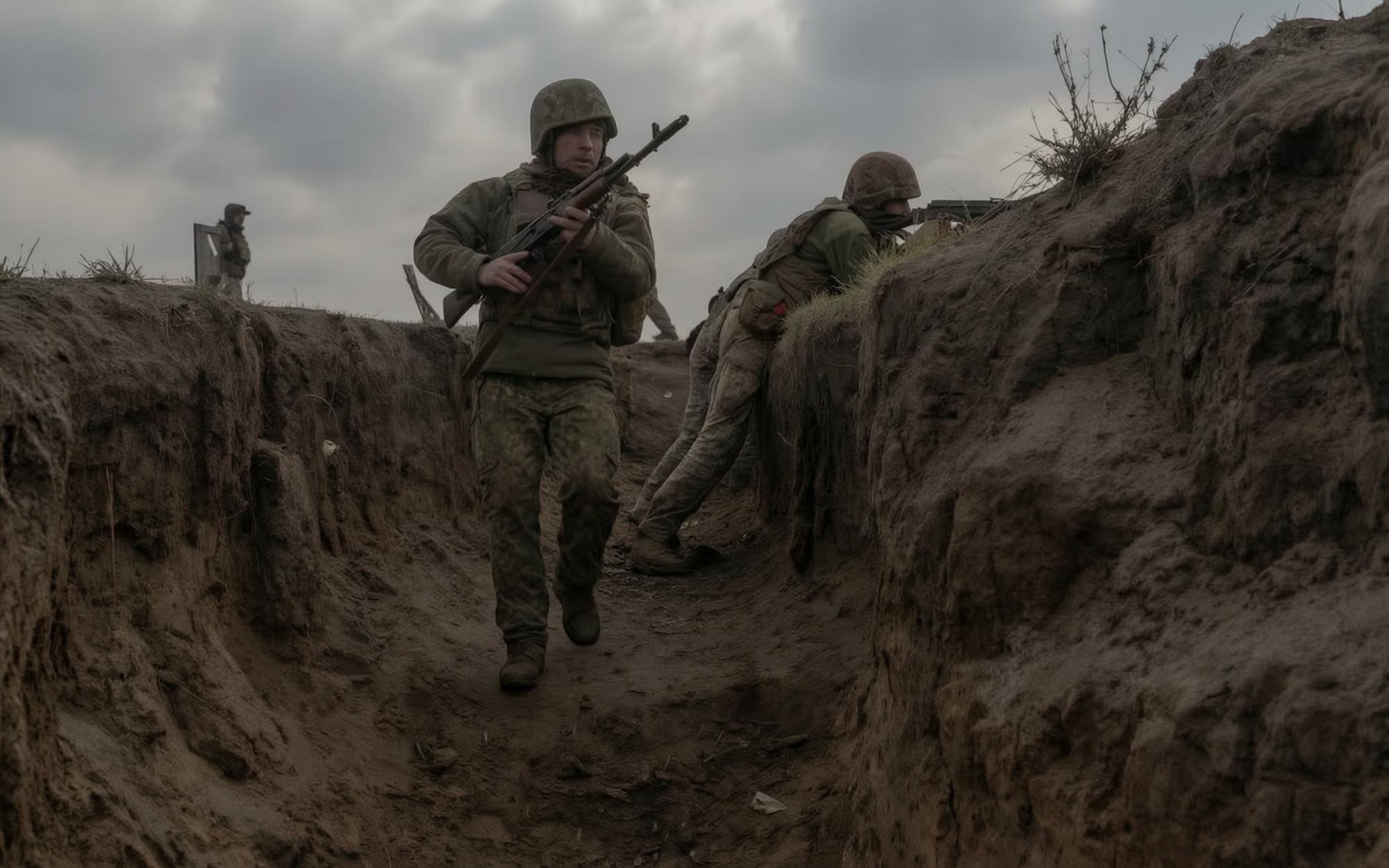
The UPA’s history is complicated: it fought both Nazi Germany and the Soviet Union, but also committed atrocities against Poles. The Polish Parliament officially labeled those wartime killings as genocide in 2016.
Poland has been one of Ukraine’s staunchest supporters since Russia’s invasion, hosting millions of refugees and supplying weapons.
Yet domestic politics in Warsaw have grown tense, with Nawrocki—a nationalist who thrives on populist energy—seizing the issue to score political points and whip up anti-Ukrainian sentiment ahead of elections.
Ukraine’s presidential office took Nawrocki’s move as an insult to the Ukrainian people and a propaganda victory for Moscow. Kyrylo Budanov, chief of the Ukrainian Presidential Office, claimed the revocation was “an unfriendly act toward our people” and “a gift to the Moscow aggressor.”
He added that the Kremlin would gladly exploit the drama to drive a wedge between two countries that have fought shoulder to shoulder against Putin’s war machine.
In solidarity, several Ukrainian officials, including Budanov, announced they too would return state honors awarded by Poland, viewing the Polish president’s action as a betrayal.
Among them was former Ukrainian Prime Minister Arseniy Yatsenyuk, who warned that “one harmful and incorrect decision by the current president of Poland cannot be corrected by other incorrect decisions of ours.”
This dispute comes at a particularly awkward time. Poland is set to host a major conference on Ukraine’s postwar reconstruction in the coming days—a diplomatic affair Zelenskyy had planned to attend. Now, his participation appears uncertain, with tensions running high between the two leaders.
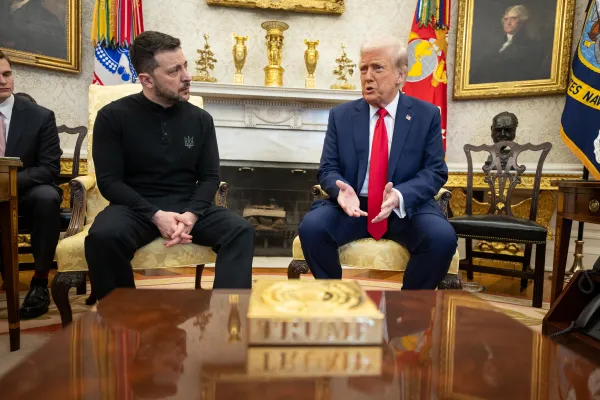
Polish Prime Minister Donald Tusk, who remains a political rival of Nawrocki, publicly appealed for calm, urging both presidents to “tone down emotions, not stoke tensions.”
He warned that the current war of words “delights Putin and shocks our allies,” a reminder that internal division within NATO’s Eastern flank benefits only the Kremlin.
Zelenskyy, for his part, maintained a tone of pride and defiance, stating he was “proud of our people and of EVERY Ukrainian warrior.” He reaffirmed Ukraine’s gratitude to Poland for its wartime aid and insisted that his country remains open to constructive dialogue about their shared but painful history.
Yet beneath the diplomacy, this exchange reveals how much friction still simmers under the surface of the Polish-Ukrainian alliance. Historical memory—especially memories written in blood—can be weaponized just as easily as tanks or drones.
In today’s Europe, that history is once again at the center of a fight about identity, patriotism, and loyalty.
The timing could not be worse for the Western coalition backing Kyiv, as divisions over history give Putin new ammunition in his campaign to fracture support for Ukraine.
Many conservatives across Europe now question whether Zelenskyy’s political theatrics help or harm his cause, especially as Western taxpayers grow weary of bankrolling his endless appeals for aid.
For Warsaw and Kyiv alike, the symbolism of medals and names might seem trivial compared to missiles and manpower.
But in the halls of power, symbols matter. They’re about who owns the narrative of heroism—and who gets to define history itself.
One thing is certain: while Zelenskyy and Nawrocki argue over the ghosts of the past, Vladimir Putin is smiling in the present.
The opinions expressed by contributors and/or content partners are their own and do not necessarily reflect the views of RobManess.com. Contact us for guidelines on submitting your own commentary.
Join the Discussion
COMMENTS POLICY: We have no tolerance for messages of violence, racism, vulgarity, obscenity or other such discourteous behavior. Thank you for contributing to a respectful and useful online dialogue.