
The Marine Corps is diving headfirst into the artificial intelligence battlespace, tossing aside the old clipboard method and stepping into the data-driven era.
Starting July 7, every Marine unit will shift to the new Operational Data Integration Nexus, or ODIN—a cutting-edge AI reporting tool built within the Pentagon’s Maven Smart System platform.
The goal: to deliver commanders real-time battlefield awareness faster than any adversary can blink.
ODIN represents a massive leap from the manual process Marines have used for decades. No more piecing together handwritten or manual SITREPs—the tired system that slowed decisions and kept commanders waiting.
Now, structured data inputs will automatically funnel into a centralized dashboard that instantly shows the status of operations across the force.
Lt. Gen. Jay Bargeron, deputy commandant for plans, policies, and operations, made it clear this isn't just a tech upgrade—it’s a transformation.
“By automating the flow of data from the tactical edge to strategic decision makers, we are equipping our Marines with the near real-time information required to outpace our adversaries and fight effectively in a distributed environment,” Bargeron said.
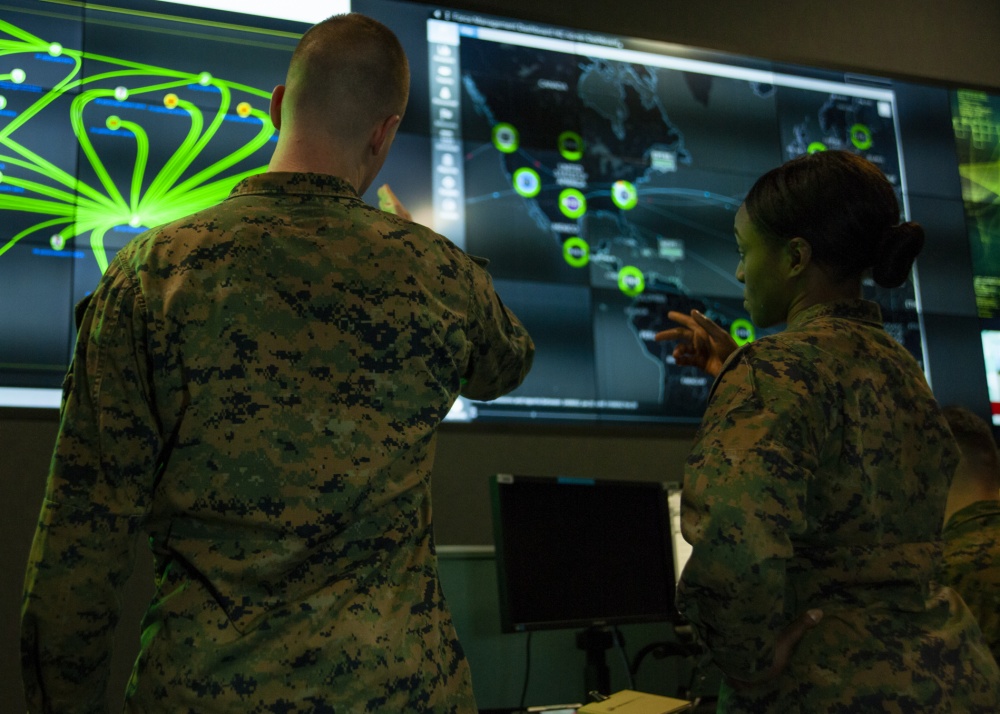
This shift means the Marines will finally ditch the lag time and administrative bloat that used to come with compiling and sharing situational reports.
Every data point will feed directly into the Maven Smart System, or MSS, which the Department of War now touts as its primary brain for aggregating and analyzing operational information across the services.
The backbone of this system is Maven itself, originally launched as Project Maven years ago to help the military make sense of complex data streams.
The Center for Strategic and International Studies explained that it “can speed up targeting decisions without sacrificing analytical rigor or judgment quality.” In operational terms, that’s a big deal—it trims decision cycles without cutting corners.
The new ODIN system sits on top of that capability, giving Marine commanders not just reports but intelligence that updates continuously. Picture it as a live tactical feed of everything happening across the battlespace, pulled straight into one digital command post.
For years, the Marine Corps has prided itself on adaptability and decentralized command, but information lag remained a sticking point. Now, with ODIN’s AI integration, that bottleneck could finally disappear.
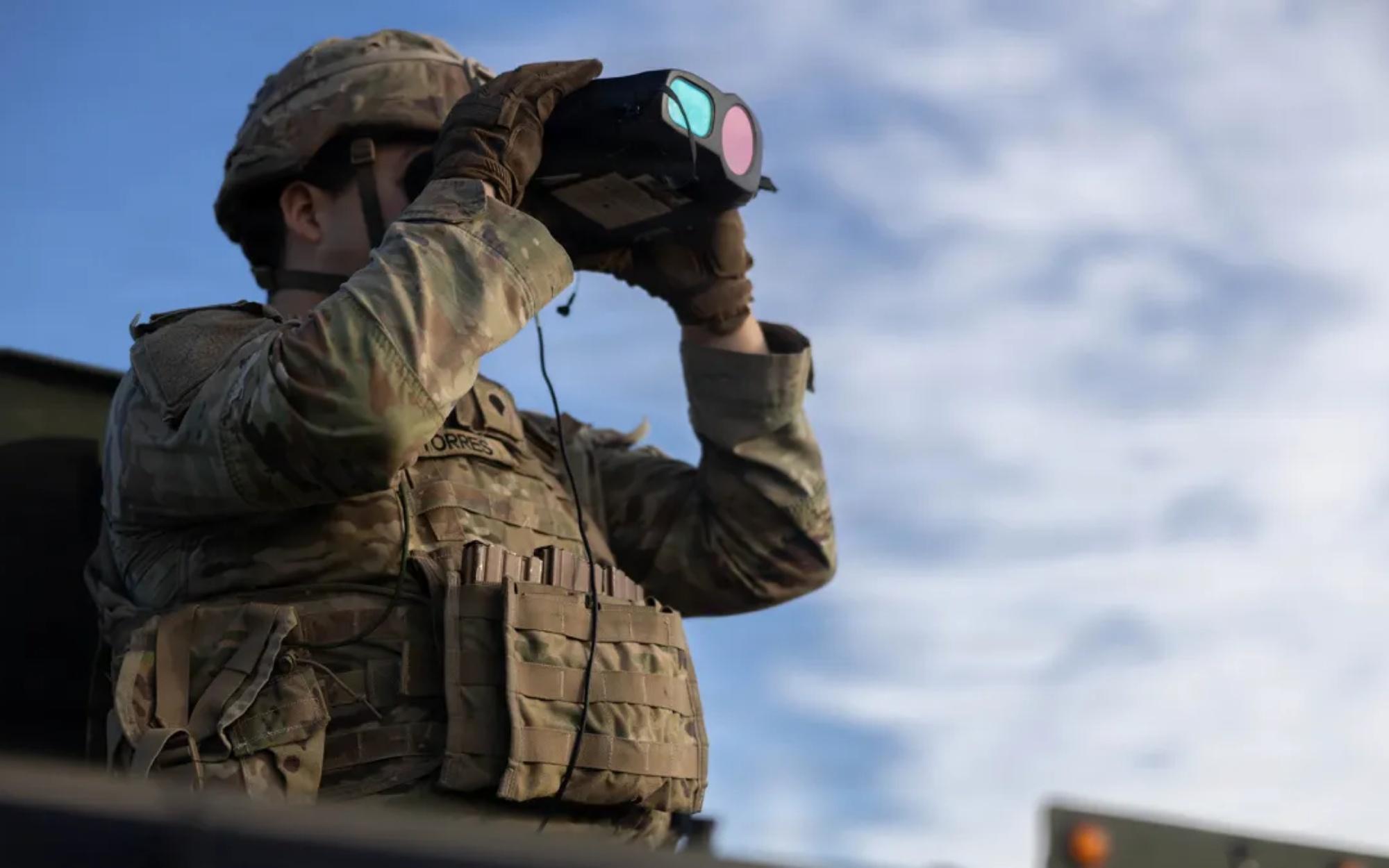
Marines in the field can input structured data, and the system’s AI tools aggregate it automatically—no waiting on multiple layers of staff to compile and send documents.
Marine leaders also say this new AI-linked system enhances unit interoperability. Data sharing across commands will happen automatically, aligning Marine reporting with Joint Staff requirements and reducing noise between services.
That interoperability not only increases combat efficiency but bolsters the force’s ability to operate alongside allies in complex, multi-domain operations.
The partnership behind this technology isn’t new. Last August, the Marines finalized their collaboration with Palantir Technologies for Maven—a company long recognized for helping the military and intelligence community manage massive datasets for mission-critical tasks.
Palantir’s involvement follows the Department of War’s billion-dollar contracts awarded to expand Maven throughout the armed forces.
The Army has already begun weaving Maven into its training fabric, ensuring that field-grade officers learn to use AI analytics as part of command and control decision-making.
The Army’s Command and General Staff College now incorporates Maven directly into its coursework, while additional training programs—both in person and virtual—are being developed for broader use.
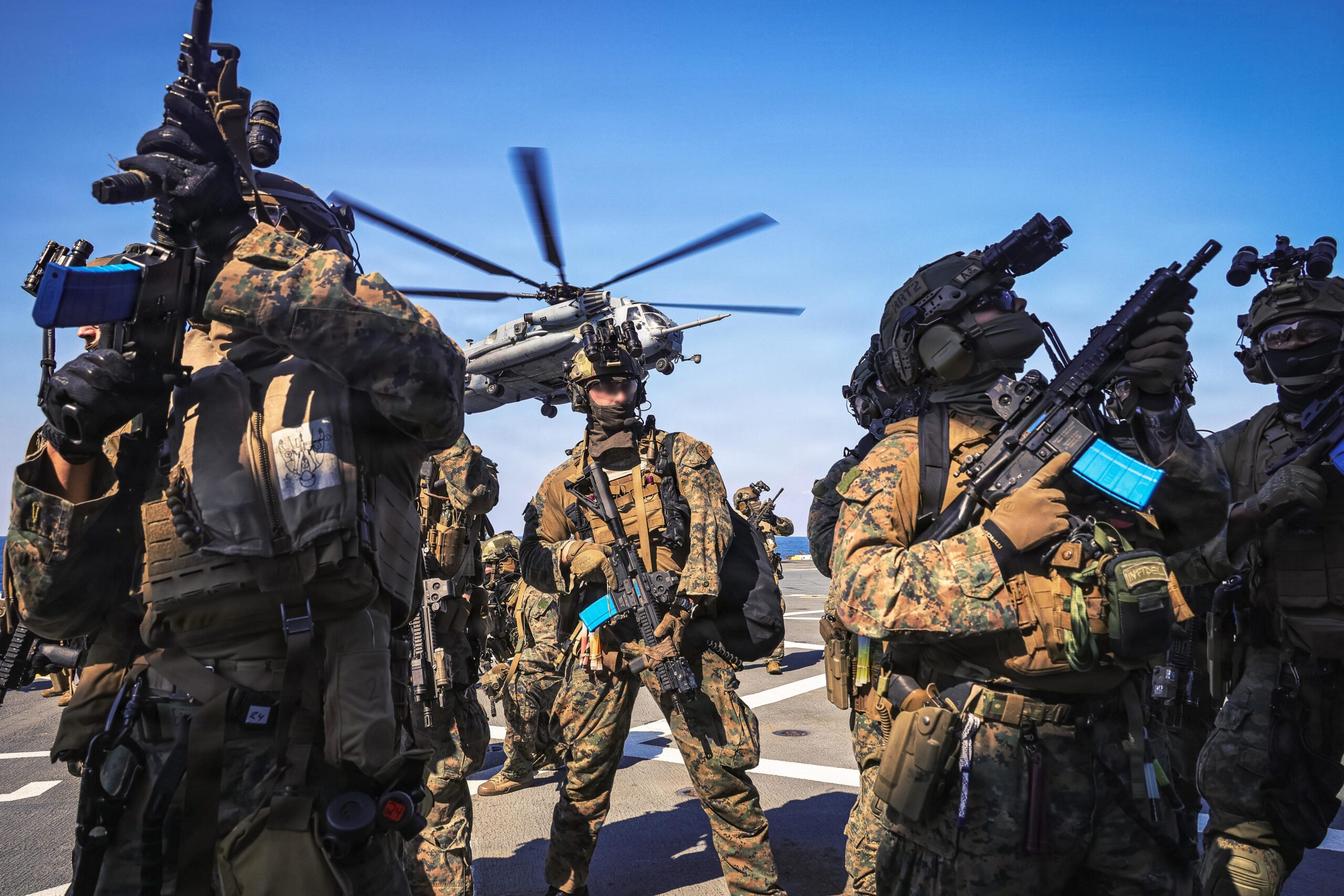
In the Marines’ case, official guidance states that all units will receive access instructions before ODIN’s launch date.
Commanders are required to activate their MSS licenses, making sure that key personnel are equipped and trained to navigate the new platform from day one. That’s not just a formality—ODIN’s data visibility is only as good as the participation across the force.
AI, of course, comes with its skeptics. Some worry about overreliance on algorithms or data-driven decision loops in combat conditions.
But within the Trump-era framework that prioritized technological supremacy and streamlined military readiness, the argument is simple: if America doesn’t lead the AI battlefield, someone else will. And that someone isn’t exactly friendly to our interests.
For Marines who’ve spent a lifetime trading paperwork for decisive action, ODIN may prove to be one of the most practical advancements of the decade.
The bureaucracy gets trimmed, the data gets smarter, and the Corps moves closer to fighting with 21st-century speed. As Lt. Gen. Bargeron said, this isn’t just about modernizing—it’s about dominating.
The opinions expressed by contributors and/or content partners are their own and do not necessarily reflect the views of RobManess.com. Contact us for guidelines on submitting your own commentary.
Join the Discussion
COMMENTS POLICY: We have no tolerance for messages of violence, racism, vulgarity, obscenity or other such discourteous behavior. Thank you for contributing to a respectful and useful online dialogue.