
The United Nations Command says North Korea’s construction of fences within the demilitarized zone separating the two Koreas does not break the Korean Armistice—at least not yet.
As long as Pyongyang keeps its activity “defensive,” the Command claims, the building spree stays within bounds.
Seoul, however, isn’t convinced, warning that barbed wire, barriers, and cleared minefields dangerously tilt the fragile balance along one of the most volatile borders on Earth.
At a recent press briefing, a senior UN Command official speaking anonymously explained that the North’s latest fence work has not yet introduced “offensive capabilities” into the zone.
He said the projects remain on the defensive side of the line, echoing the Command’s long-standing practice of maintaining neutrality. That explanation likely did little to soothe South Korean officials who see a creeping pattern of provocation.
JoongAng Ilbo, a major newspaper in Seoul, reported that North Korea had erected fences within roughly 262 feet of the Military Demarcation Line, cutting dangerously close to the official boundary.
The paper also indicated that the North had cleared stretches likely intended for new minefields—a chilling move, considering the DMZ is already one of the most heavily mined places on the planet.
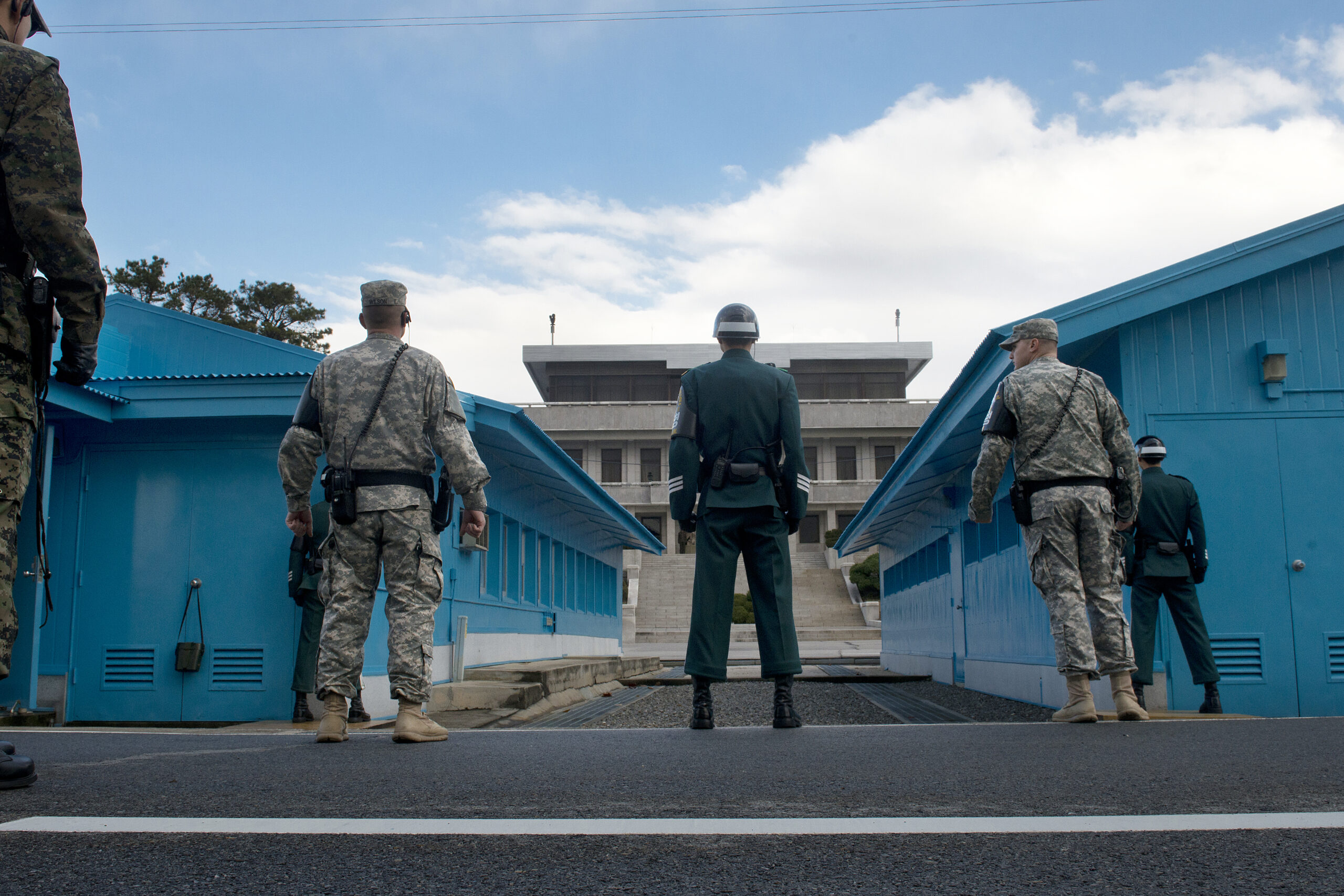
The 1953 Armistice Agreement, which silenced active combat but never achieved formal peace, designated the DMZ as a 2.48-mile-wide buffer zone. Each side controls a 1.24-mile strip from the center line.
The point was to make a resumption of hostilities harder. South Korea’s War Ministry says North Korea’s recent construction directly undermines that mission.
Chung Binna, a spokeswoman for the Ministry, called the barrier-building a “clear violation” of the Armistice, warning that such moves raise military tension and erode trust.
Seoul officials have repeatedly urged the UN Command to recognize that continual “defensive” work from Pyongyang often masks forward preparations. They say it’s a dangerous habit to take Kim Jong Un at his word.
The Ministry emphasized that South Korean forces remain vigilant, monitoring every bulldozer, soldier, and spade working north of the line. The official stance from Seoul is clear: ditch the excuses and call a violation a violation.
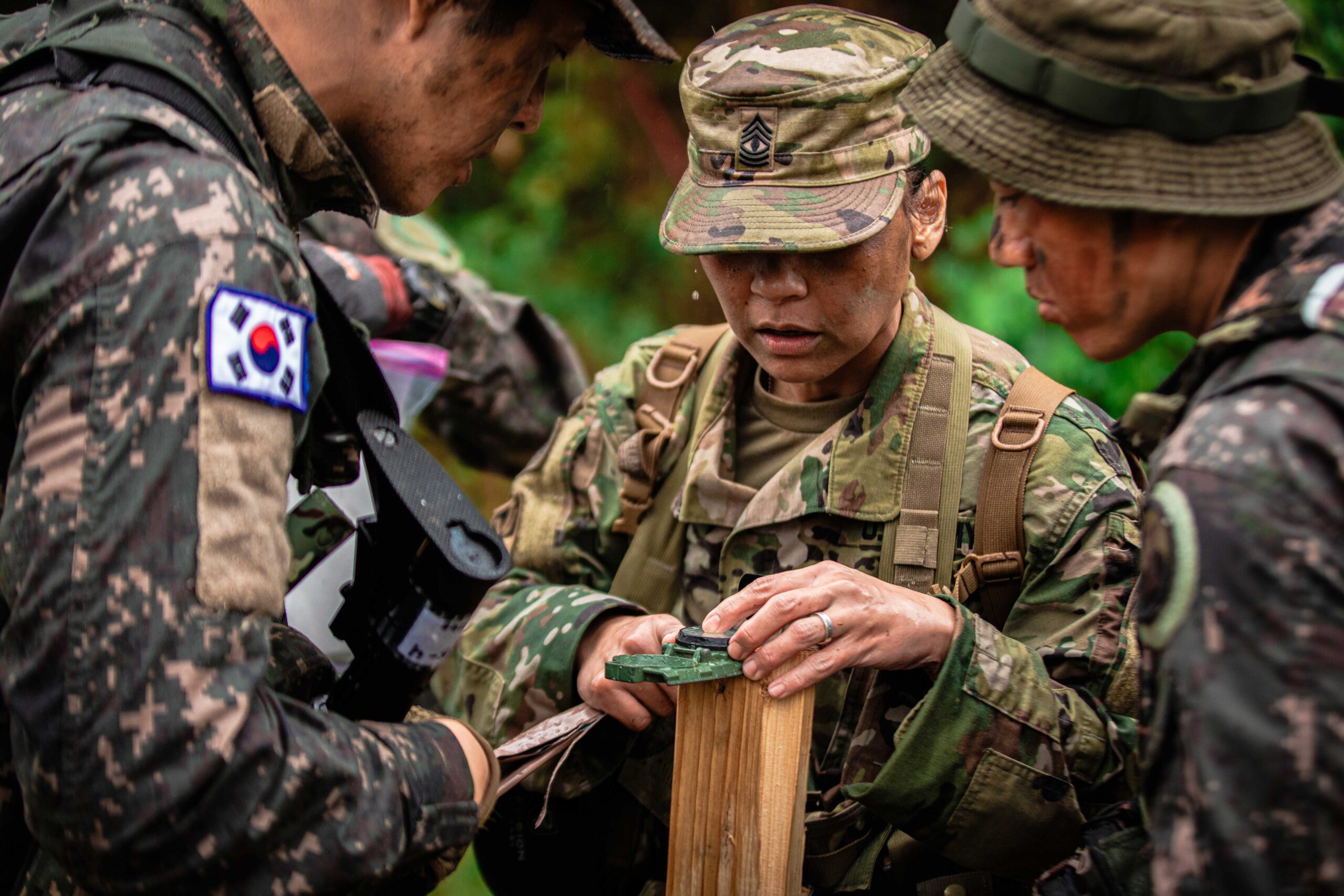
But the UN Command remains adamant that its interpretation must be based on strictly military criteria—which, in its view, means assessing whether the North is positioning offensive weapons or troops in the DMZ.
So far, the Command says, there’s no sign of heavy artillery, drones, or missile systems inside the zone. “What we are seeing is construction, granted at a heavier rate,” the official said flatly.
In essence, the Command is saying that as long as Pyongyang isn’t pointing rockets at the South, all the barbed wire and land reshaping is permissible.
That stance, while technically consistent with armistice rules, can sound dangerously naïve to anyone who has watched Kim’s regime for more than five minutes. Kim’s entire strategy, after all, is built on exploiting gray zones—pushing the limits until someone blinks.
The official did acknowledge that mining the demarcation line itself would amount to a direct Armistice violation.
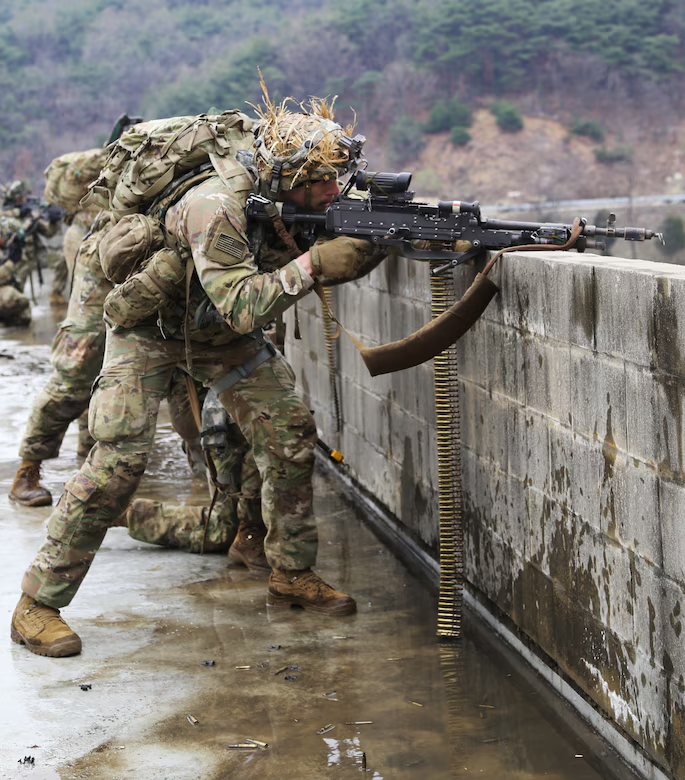
Still, he seemed confident that current mine placement remains “defensive in nature,” intended to prevent infiltration rather than aggression.
That defense conveniently ignores how easy it is to reclassify “defensive” positions when the order to go offensive arrives.
Adding a layer of irony, the UN Command pointed out that South Korea currently has dozens of its own construction projects underway south of the line, including road work and vegetation clearing.
The insinuation seemed clear: both sides reshape the terrain, so let’s not overreact. It’s a bureaucratic way of keeping everyone calm while avoiding accountability.
The Command also revealed that North Korea notified it last year of plans for both fence-building and road repairs within the DMZ.
That notification was communicated to Seoul “to maintain discipline on our side of the line,” the official noted.
While that may sound diplomatic, it also shows Pyongyang’s confidence that announcing its actions will buy immunity from condemnation.
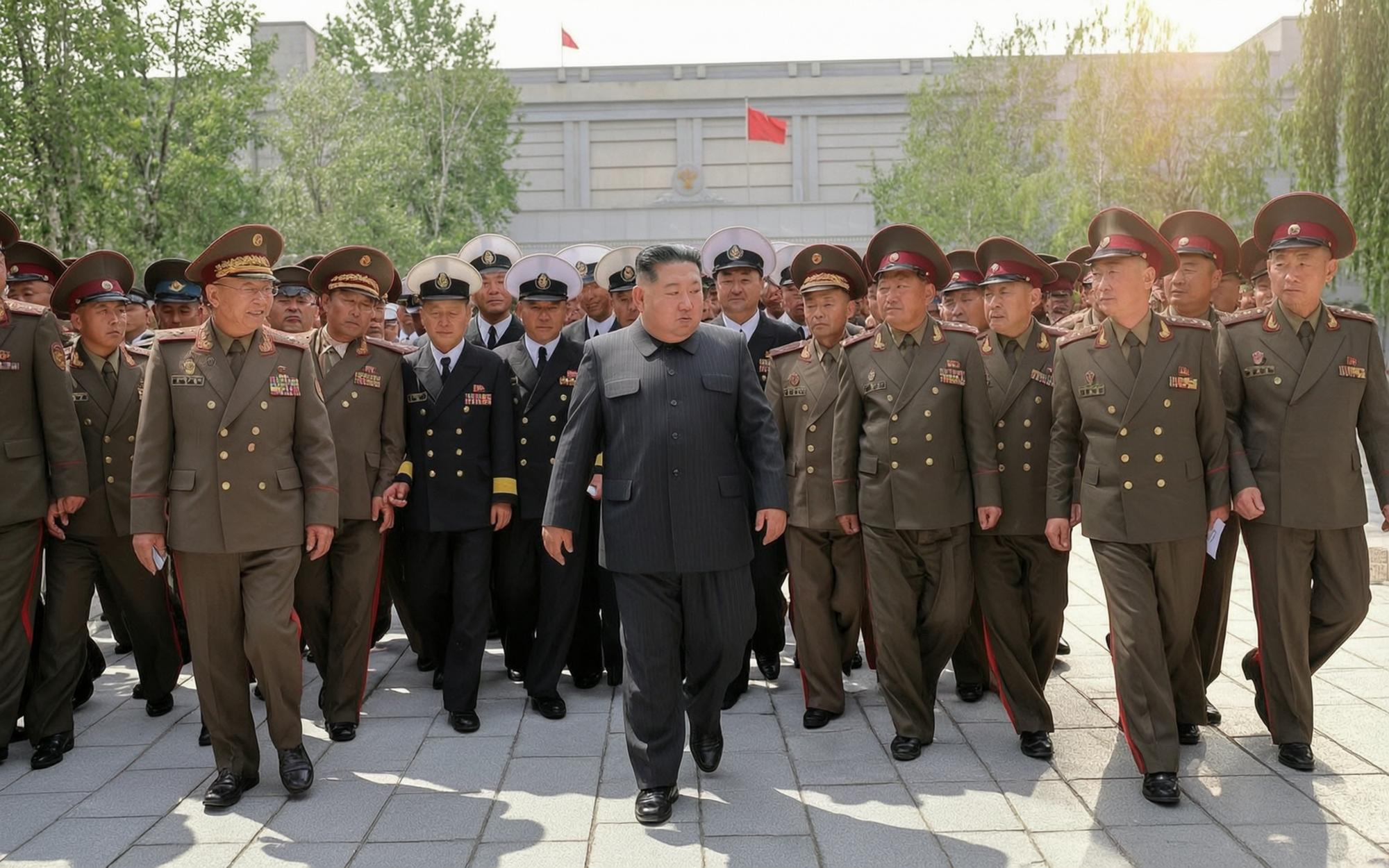
Pyongyang’s new fences come amid rising regional tension and its stated intention to expand nuclear assets and warship production.
Kim’s regime thrives on testing boundaries, literally and figuratively. Every “defensive” measure serves as another stone in the wall separating dialogue from confrontation.
In the end, the UN Command is doing what the UN always does—splitting hairs over intent rather than outcome. Seoul’s military reads the situation through a harder lens, shaped by decades of deception from the North.
As long as the UN insists that barbed wire and minefields are no big deal, Kim Jong Un gets another inch closer to normalizing militarization within a supposedly neutral zone.
The opinions expressed by contributors and/or content partners are their own and do not necessarily reflect the views of RobManess.com. Contact us for guidelines on submitting your own commentary.
Join the Discussion
COMMENTS POLICY: We have no tolerance for messages of violence, racism, vulgarity, obscenity or other such discourteous behavior. Thank you for contributing to a respectful and useful online dialogue.