
Lockheed Martin just secured a jaw-dropping $35 billion contract that will turbocharge America’s top-tier missile interceptor program—and the timing couldn’t be more crucial.
As the nation’s warfighters prepare for an era of renewed great-power competition, the U.S. Missile Defense Agency is handing Lockheed Martin the reins to quadruple production of the Terminal High Altitude Area Defense system, or THAAD.
The seven-year deal represents one of the largest and most consequential investments in missile defense in decades.
Under the contract, Lockheed will ramp up THAAD interceptor production from 96 to a staggering 400 units per year. That’s no small feat, but one that will headline America’s strategic efforts to refill critical war stockpiles and maintain deterrence in an increasingly dangerous world.
After the conflict in Iran and other engagements abroad, the United States saw its precision weapons and air-defense reserves drained at a concerning rate.
Lawmakers on Capitol Hill have been warning that munitions inventories are stretched thin, and unless companies like Lockheed ramp up production, the U.S. could face what experts call a “window of vulnerability.” This new deal is meant to slam that window shut.
A recent report by the Center for Strategic and International Studies backed up those fears, noting that it will take at least three years for American munitions levels to recover to where they were before the Iran war. That timeline leaves a critical gap that adversaries like China could exploit.
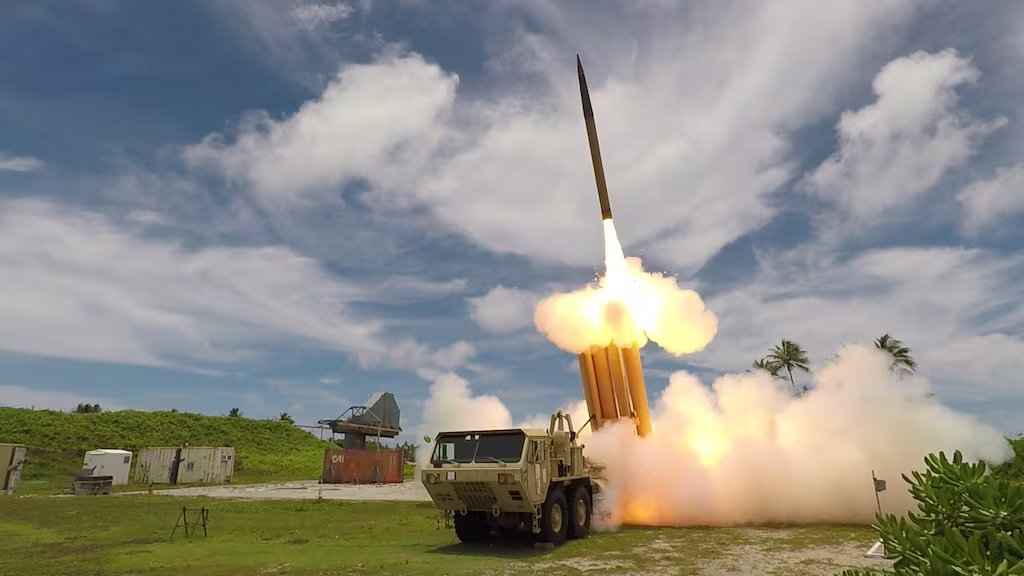
The new THAAD contract aims to close that gap by speeding up deliveries and ensuring that U.S. missile defense networks remain ready for any scenario, from the Middle East to the Western Pacific.
What makes this contract unique isn’t just its massive price tag—it’s also one of the first major projects under the Pentagon’s new Acquisition Transformation Strategy, a sweeping reform meant to fast-track weapons development and break through bureaucratic gridlock. Translation: the War Department wants results, and it wants them fast.
“This new approach propels our efforts to strengthen the defense industrial base, expand production and deliver capabilities to the American warfighter at unprecedented speed and scale,” said Tim Cahill, president of Lockheed Martin Missiles and Fire Control.
The message from industry and government alike is clear—America’s war machine is back in business.
To make the expanded production possible, Lockheed has already broken ground on new facilities across the South. Earlier this year, the company began construction on a Munitions Production Center in Troy, Alabama, and a Munitions Acceleration Center in Camden, Arkansas.
Both sites are part of a broader $9 million long-term investment program running through 2030, aimed at modernizing the domestic weapons manufacturing base.
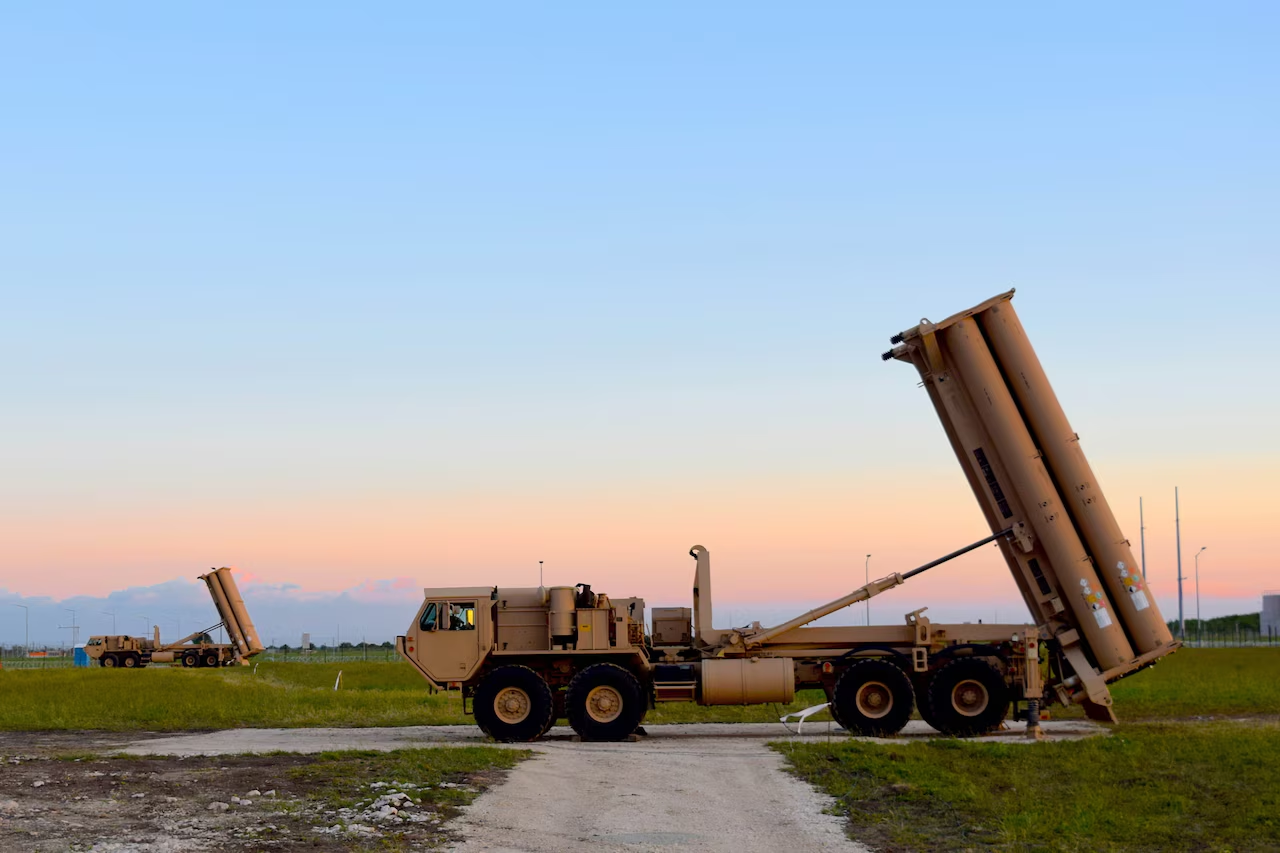
The sprawling production effort will span facilities in Dallas, Texas; Sunnyvale, California; Troy, Alabama; and Camden, Arkansas.
Lockheed will deliver THAAD missile rounds under fixed-price contracts, ensuring taxpayers have cost certainty while giving the company incentives to meet or exceed production schedules. Work will take place from 2026 through 2032, according to the Pentagon’s announcement.
At the time of award, over $842 million in fiscal year 2026 procurement funds were already obligated, signaling that this isn’t a pie-in-the-sky promise—it’s happening.
For Lockheed, the deal cements its dominance in the field of missile defense manufacturing and ensures steady work for thousands of skilled American workers in critical industries.
The award also builds on a string of recent contracts. Earlier this year, Lockheed inked additional agreements with the War Department to bolster production of the PAC-3 Missile Segment Enhancement and the Precision Strike Missile (PrSM).
Both systems play key roles in U.S. force posture and rapid-strike capabilities, especially as adversaries like China and Russia pour billions into their own missile arsenals.
To America’s men and women in uniform, these contracts are more than corporate deals—they’re a signal that Washington is finally serious about rebuilding military readiness.
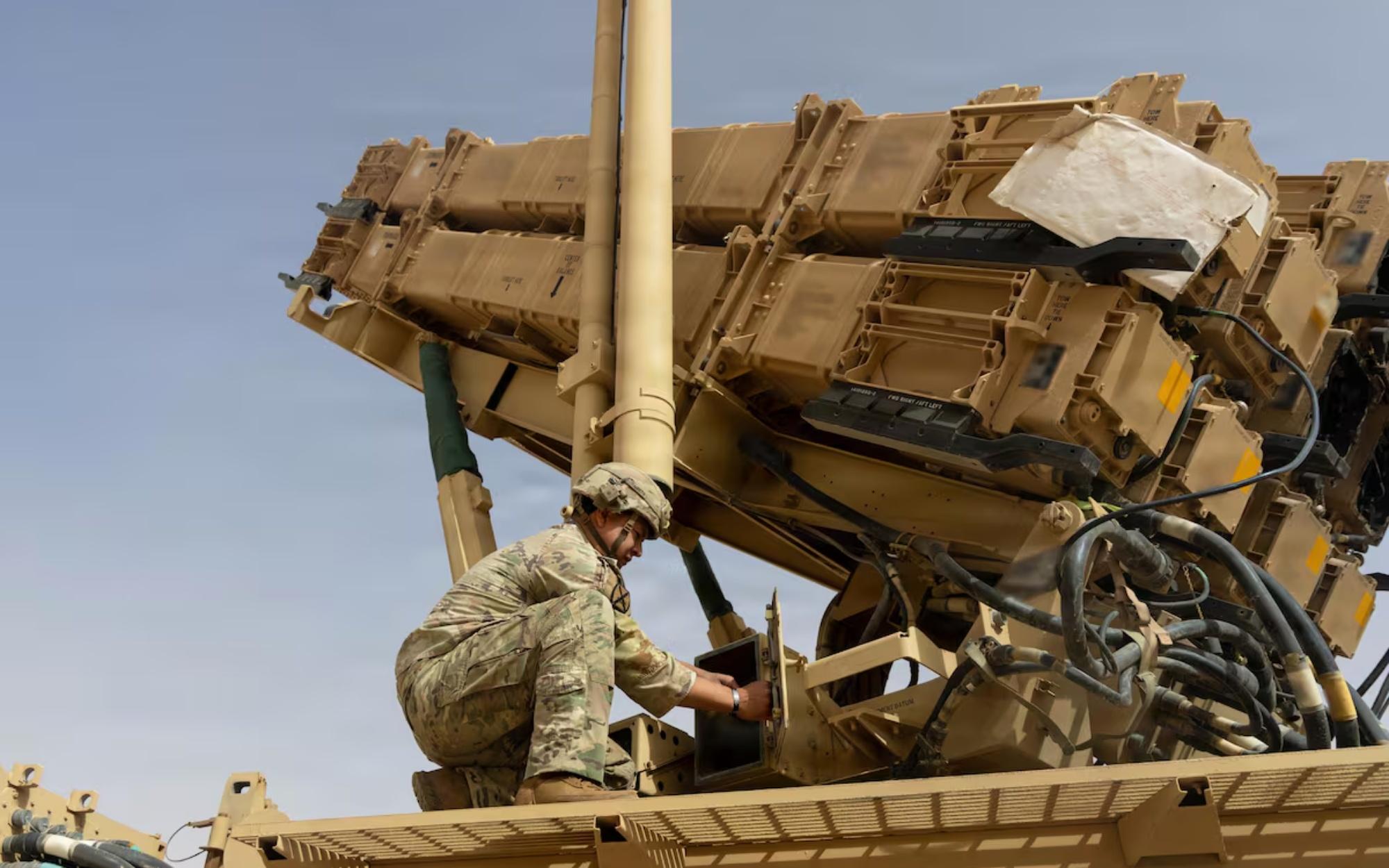
Years of budget politics and underinvestment left the industrial base brittle. Under new leadership and with Trump-era-style prioritization of American strength and self-reliance, the tide appears to be turning.
As Secretary of War Pete Hegseth has emphasized, restoring the capacity to outproduce America’s rivals is essential to keeping peace through strength.
This contract proves that the War Department is listening and acting decisively. With $35 billion fueling renewed production, the message is unmistakable: America’s arsenal isn’t shrinking—it’s expanding aggressively.
In a world where enemies are watching every move, ramping up THAAD production sends the right message—that the United States has both the will and the means to meet any threat head-on. The warfighter deserves nothing less.
The opinions expressed by contributors and/or content partners are their own and do not necessarily reflect the views of RobManess.com. Contact us for guidelines on submitting your own commentary.
Join the Discussion
COMMENTS POLICY: We have no tolerance for messages of violence, racism, vulgarity, obscenity or other such discourteous behavior. Thank you for contributing to a respectful and useful online dialogue.