
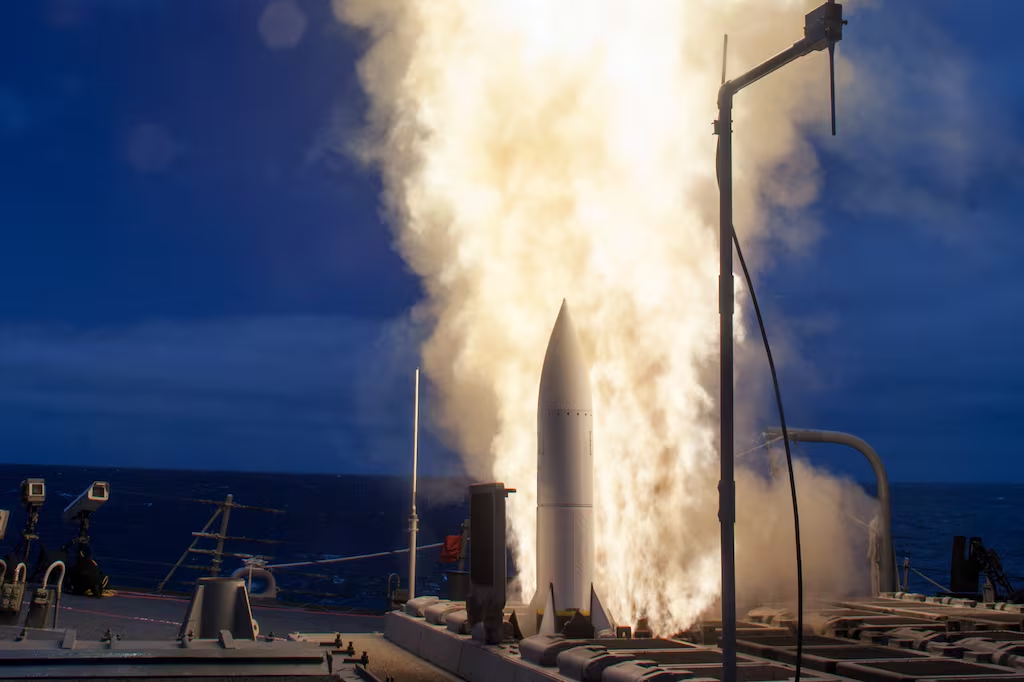
The U.S. Air Force is setting its sights on a serious leap forward in long-range firepower, moving to develop a next-generation weapon capable of striking targets more than 1,000 nautical miles away.
This ambitious endeavor signals a renewed determination to regain air dominance and send a clear warning to adversaries like China and Russia that American aerospace power isn’t fading—it’s sharpening.
For two days in late August, the service will host an Industry Day at Eglin Air Force Base in Florida, calling on traditional and nontraditional defense partners to propose cutting-edge solutions.
The event will serve as a platform for private industry to pitch designs for what the Air Force calls the Air Force Long Range Weapon, or AFLRW, a dual-variant missile system engineered for both air-to-air and air-to-surface missions.
MORE NEWS: U.S. Launches Retaliatory Strikes On Iranian Missile and Drone Sites After Strait of Hormuz Attack
According to a notice from Air Force Materiel Command, the service seeks a weapon that can deliver across a wide spectrum of mission types, especially under classified Defense Planning Scenarios designed to simulate high-intensity combat operations.
These scenarios are part of wargaming exercises that map out how the U.S. would respond to large-scale conflicts with major powers, making this project far more than just a test case—it’s the groundwork for future wars.
The Air Force Life Cycle Management Center is leading the initiative and may select multiple vendors for prototype development. The service’s requirements are stringent: weapons must meet open-architecture standards under the Weapons Open Systems Architecture (WOSA) and integrate seamlessly with the Government Reference Architecture (GRA).
Officials say the new system must be capable of not only reaching exceptional ranges but also operating flexibly across theaters and platforms.
That means these weapons could eventually be mounted on aircraft like the B-52, F-15EX, or any next-generation airframe designed for global strike capabilities.
In its solicitation, the Air Force categorized proposals into two main tracks: All-up-round Solutions and Weapon System Integrator Solutions. Companies developing All-up-round systems are expected to deliver fully integrated missiles with vertical design and manufacturing processes.
That includes managing the subsystems for both the air-to-air and air-to-surface variants, all while remaining compliant with the open-architecture mandates.
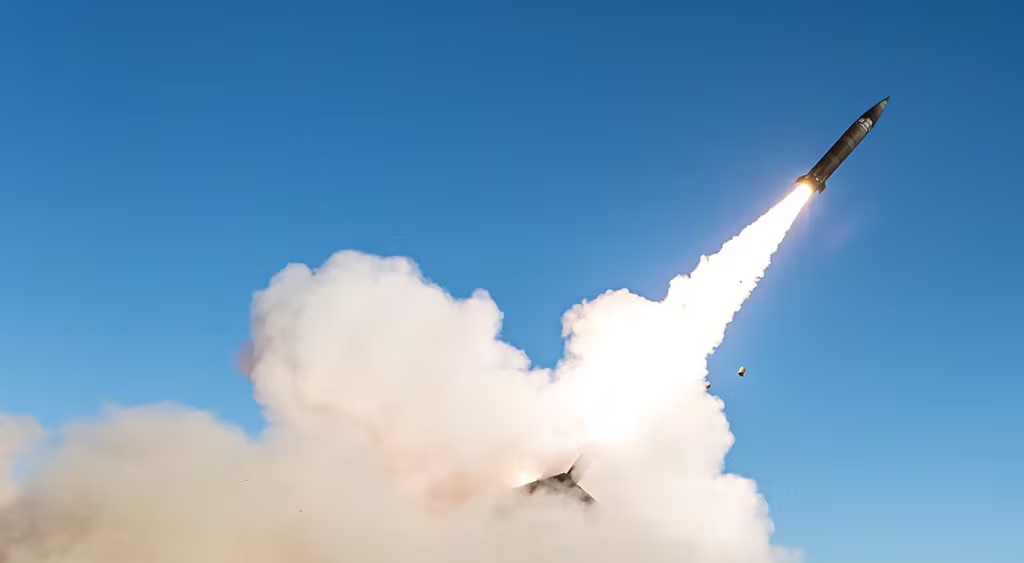
The second track, dubbed the Weapon System Integrator Solution, positions firms as master integrators responsible for assembling various modular components into a complete, fully functional missile.
These integrators will blend government-approved and third-party components within a digital twin environment—a virtual model of the weapon that allows for precision testing and rapid adaptation.
This modular, digital-first approach is part of a broader shift underway across the War Department, emphasizing flexibility, faster development, and battlefield adaptability.
It also embodies the modern doctrine pushed by leaders like War Secretary Pete Hegseth and President Trump, both of whom have emphasized that America’s technological edge must come through innovation—and not be suffocated by bureaucracy.
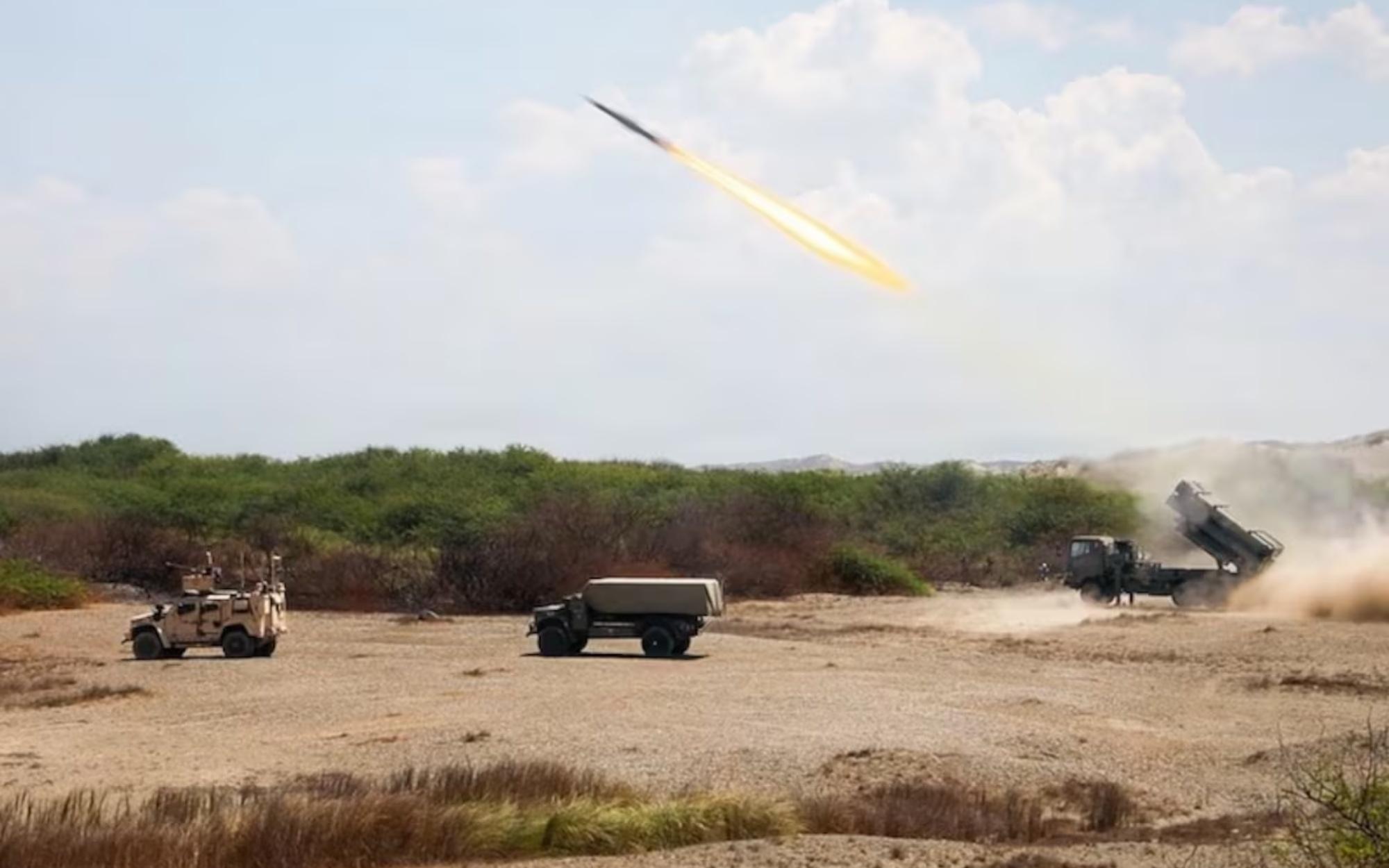
The Air Force plans to hold follow-on meetings with potential contractors in October and November.
These one-on-one discussions will let the Air Dominance Division, Air Combat Command, and Air Force Global Strike Command dig deeper into vendor proposals and evaluate which solutions can transform quickly from concept to reality. It’s a competitive process designed to weed out theoretical talkers and reward real doers.
The unclassified portion of the request makes clear that this weapon could reshape how the U.S. approaches both deterrence and engagement.
A thousand-mile standoff range dramatically changes tactics, allowing U.S. forces to strike deep into enemy territory without exposing pilots or aircraft to dangerous counterattacks. In an era where potential adversaries invest heavily in air denial systems, the AFLRW would give the U.S. a clear asymmetric edge.
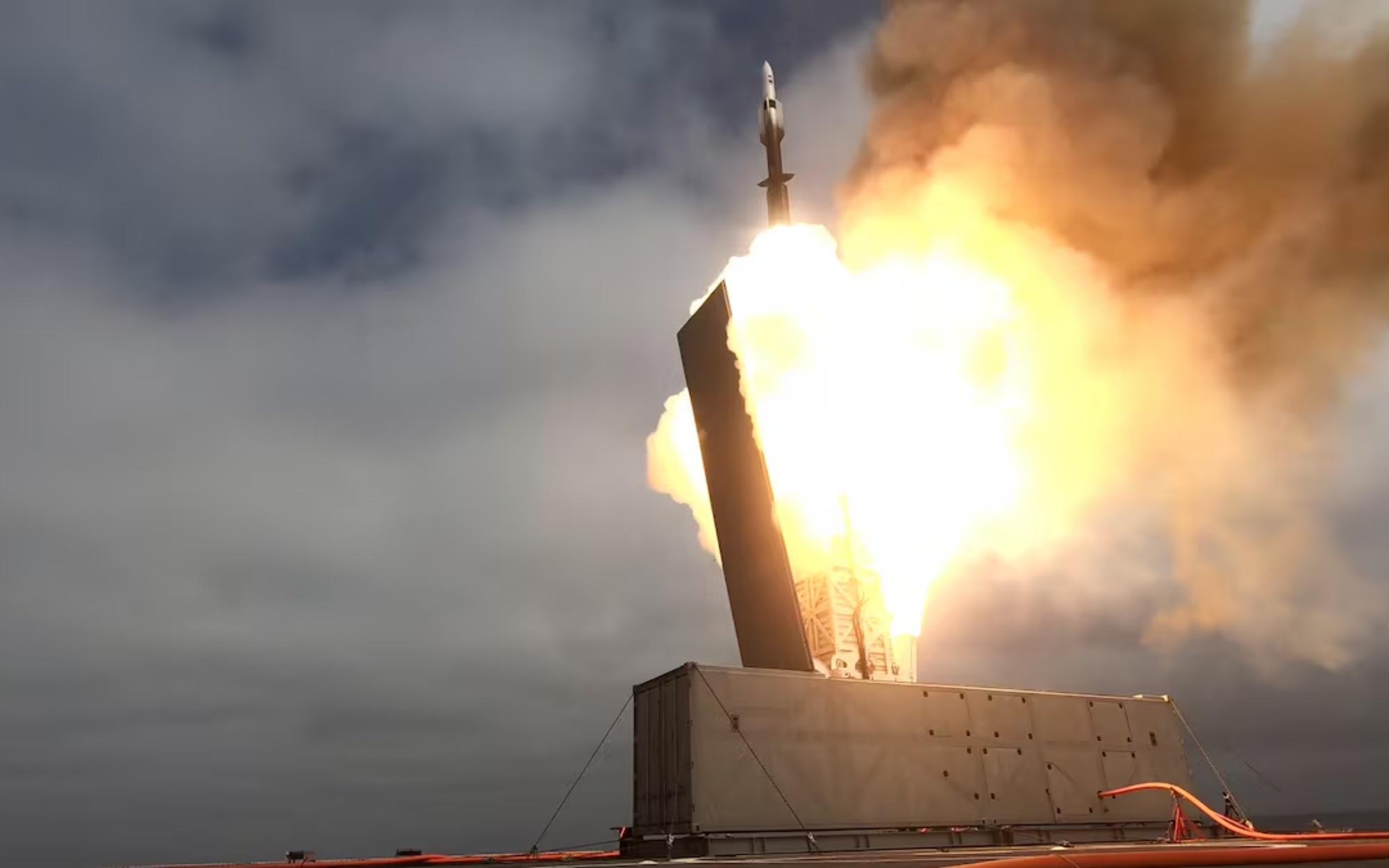
Industry insiders expect participation from both major defense contractors and smaller innovators who’ve been experimenting with scramjet propulsion, adaptive warheads, and advanced composite materials.
The Air Force is making a point to welcome “nontraditional vendors,” recognizing that private sector creativity—especially in the aerospace and tech sectors—has outpaced Washington’s old acquisition playbook.
Eglin Air Force Base, long known for its role in weapons testing, will again be the proving grounds where innovation meets military necessity.
This pairing of American ingenuity with operational intensity is exactly the formula that built the stealth bomber, precision-guided munitions, and hypersonic systems now entering service.
Critics might question the cost, but supporters argue that failing to modernize costs far more in the long term.
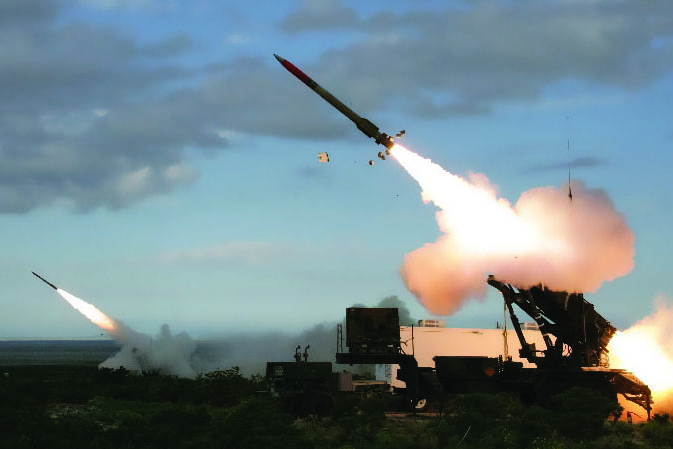
China’s missile arsenal now bristles with long-range precision capabilities designed to push U.S. forces farther from the Pacific battlespace. A weapon that reverses that dynamic would restore balance—and deterrence.
This initiative isn’t just about one missile; it’s a test of whether America’s defense industrial base can move faster, collaborate smarter, and deliver ahead of schedule.
The Air Force’s message is clear: evolve or fall behind. And in today’s geopolitical reality, “falling behind” isn’t an option.
A future of air power dominance depends on weapons like the AFLRW—long-reaching, precise, and American-made. If all goes as planned, the next time an adversary looks to test U.S. resolve, the response won’t need to be close. It’ll already be on its way from a thousand miles out.
The opinions expressed by contributors and/or content partners are their own and do not necessarily reflect the views of RobManess.com. Contact us for guidelines on submitting your own commentary.
Join the Discussion
COMMENTS POLICY: We have no tolerance for messages of violence, racism, vulgarity, obscenity or other such discourteous behavior. Thank you for contributing to a respectful and useful online dialogue.