
A U.S. Navy aircrewman remains missing after a Navy MH-60S Sea Hawk helicopter made an emergency landing in the Arabian Sea, prompting a major search operation near the USS George H.W. Bush carrier group early Wednesday morning.
The helicopter, which carried four crew members, went down at approximately 3:30 a.m. EDT. While the Navy has stated the cause is still under investigation, initial reports indicate there was no hostile activity involved.
Three crew members were successfully rescued and are in stable condition aboard the aircraft carrier USS George H.W. Bush, according to the Navy. The fourth member, however, has yet to be located. U.S. military aircraft, ships, and rescue teams are conducting extensive search-and-rescue operations across the area.
This serious incident comes as the USS George H.W. Bush strike group continues operations in one of the world’s most strategically volatile regions. The Arabian Sea remains a critical zone for U.S. naval presence, especially amid ongoing tensions with Iran and heightened instability in parts of the Middle East.
While the Navy noted the emergency landing did not appear to stem from enemy fire or hostile action, any in-flight emergency over open waters poses significant risk, both to aircrew and recovery teams.
The MH-60S is built for versatility, operating as a maritime workhorse for search-and-rescue, logistics, and special purpose missions.
The loss of contact with one of America’s aviators underscores the realities of military service — even during routine missions, danger is ever-present.
The waters near the Gulf of Oman and Arabian Sea have seen their share of incidents over the past several years, many involving unpredictable weather, mechanical issues, or tense encounters with Iranian naval forces.
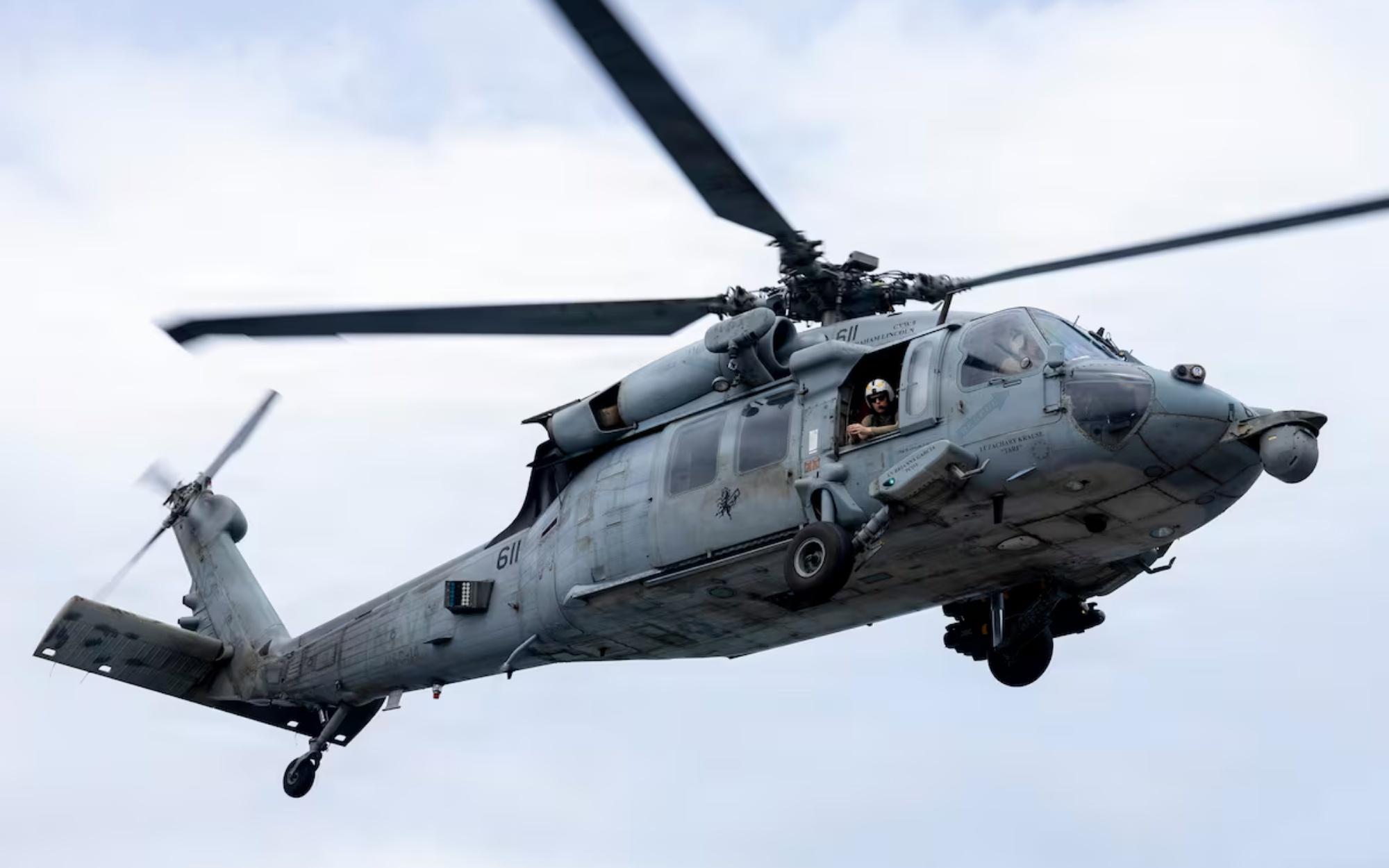
Naval officials confirmed that the cause of the “emergency water landing” is being thoroughly investigated.
Investigators will examine everything from flight recordings and maintenance history to weather conditions at the time. For now, the priority remains on locating the missing sailor and bringing them home.
The timeline of the event shows how quickly an ordinary patrol or flight support run can turn perilous. Within moments of declaring the emergency, the Sea Hawk was forced down in the sea, activating immediate rescue protocols.
Swift response from nearby assets aboard the carrier made it possible to recover most of the crew alive, a testament to the Navy’s readiness and training standards.
Though current Navy statements rule out enemy involvement, the event still highlights how stretched naval operations can be in far-off waters.
The Arabian Sea remains one of the most active maritime environments for U.S. forces, connecting operations linked to both the Indo-Pacific and Middle East commands.
In situations like these, every minute counts. Search teams are using infrared sensors, sonar systems, and divers to comb the waters around the last known location of the helicopter. Such missions often require around-the-clock coordination between ships, aircraft, and global command centers.
Back at home, families of those serving aboard the Bush and support ships anxiously await updates, holding out hope for the missing servicemember’s safe return. The Navy’s official channels have expressed ongoing commitment to the search, emphasizing the dedication of deployed forces to their comrades.
The USS George H.W. Bush carrier strike group is no stranger to difficult operations. Operating far from U.S. shores, its air wings and escort ships conduct sorties, surveillance, and joint exercises designed to project American strength and keep sea lanes open in contested regions.
This latest event will undoubtedly bring a renewed focus on aircraft safety procedures and maintenance protocols across all carrier-based units.
While tragic, the search continues with determination and precision. The professionalism of the Navy’s aircrews and sailors reflects America’s enduring military spirit — a force that never quits and never leaves one of its own behind.
The missing aircrewman’s comrades remain vigilant over the same waters, unwilling to stop until every possible lead is exhausted.
The opinions expressed by contributors and/or content partners are their own and do not necessarily reflect the views of RobManess.com. Contact us for guidelines on submitting your own commentary.
Join the Discussion
COMMENTS POLICY: We have no tolerance for messages of violence, racism, vulgarity, obscenity or other such discourteous behavior. Thank you for contributing to a respectful and useful online dialogue.