
The U.S. military and allied forces turned the Pacific into a live fire laboratory this month, sending two retired Navy ships to the bottom during the Rim of the Pacific exercise.
The targets were not exactly small. American and partner forces hammered the decommissioned USS Peleliu on July 11 and the USS Mobile Bay on July 17 as part of separate sinking exercises, better known in Navy language as SINKEX events.
This is the kind of training that matters because paper drills do not sink ships. Real missiles, real targeting, real crews, and real consequences are how warfighters learn what works before the next shooting war arrives.
Video released by the Navy’s 3rd Fleet showed both vessels taking hits above and below the waterline. Fire erupted, water blasted skyward, and two old warships that once served the fleet became final exams for modern weapons.
MORE NEWS: Iran Says Ukrainian Strike on Caspian Vessel Killed Sailor as Kyiv Targets War Cargo Network
The operation included forces from the United States, Canada, New Zealand, Australia, Spain, Italy and Japan. Several helicopter units fired missiles into the retired vessels, giving crews a rare chance to engage ship sized targets at sea without the enemy shooting back.
Both ships were sunk more than 50 nautical miles from Kauai, safely away from the Hawaiian island. The American side included Army, Navy and Air Force units, which is exactly the kind of joint fight the Pentagon loves to brief about and occasionally remembers to practice.
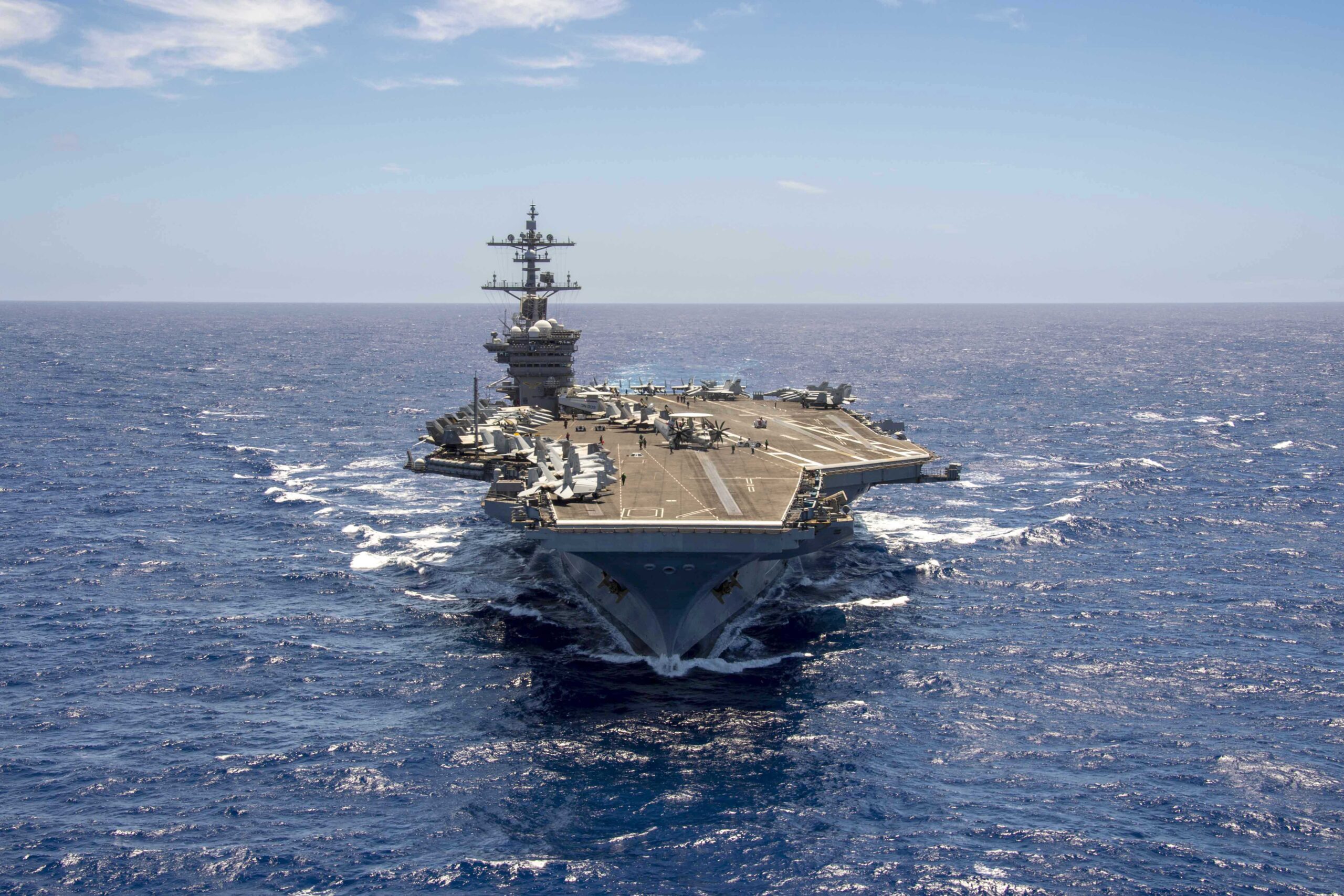
Army AH 64 Apache helicopters attacked the USS Mobile Bay using Spike Non Line of Sight missiles. That alone is worth attention because Army aviation firing into naval targets is no longer some niche scenario for PowerPoint warriors.
The Navy also used multiple one way attack surface drones against the Peleliu. Those kinds of maritime drones have become a serious battlefield factor in Ukraine’s war, and the United States recently used them in combat for the first time this month against Iran.
That matters because the oceans are no longer dominated only by billion dollar ships and exquisite missiles. Small unmanned surface craft can now threaten major vessels, and the U.S. military had better be practicing with them before China, Iran, or some other bad actor decides to make the lesson more expensive.

The 3rd Fleet said the SINKEX allowed participating units to build “proficiency in tactics, targeting and live-firing against a surface ship at sea,” which is exactly the point. You do not discover targeting problems, communications gaps, or weapons limitations for the first time when sailors and soldiers are already in danger.
Vice Adm. Jeff Jablon, commander of RIMPAC 2026 and the Combined Task Force, praised the allied effort. “SINKEXs are a prime example of the strength and readiness our partnerships create,” he said.
The USS Peleliu carried a name soaked in Marine Corps history, honoring the brutal World War II battle in the Pacific. The Tarawa class amphibious assault ship entered service in 1980 and later deployed to Somalia in the 1990s, helped move troops to Afghanistan, supported operations in Iraq, and was decommissioned in 2015.
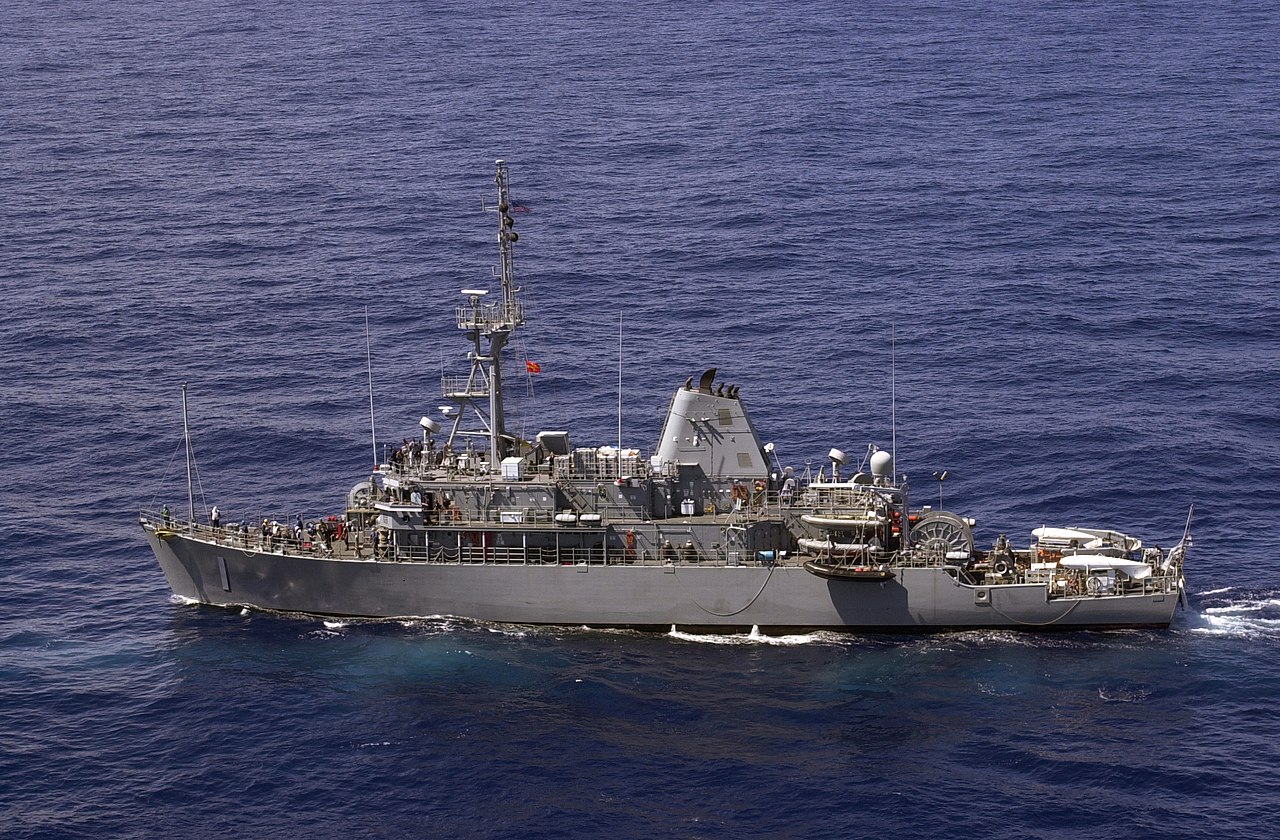
The USS Mobile Bay was a Ticonderoga class guided missile cruiser that served from 1987 until 2023. It deployed repeatedly to the Pacific, supported humanitarian and peacekeeping missions, backed the war effort in Iraq, and even participated in RIMPAC in 2022 before retirement.
A Navy official told Task and Purpose that this marked only the second time a Ticonderoga class cruiser has been sunk in an exercise. The USS Valley Forge, decommissioned in 2004, was used as a target in 2006.
The two RIMPAC sinkings followed another major SINKEX only weeks earlier, when U.S. and partner forces sent the decommissioned USS Juneau, an Austin class amphibious transport dock, beneath the waves during Valiant Shield. That exercise also showed how useful retired ships can be when commanders need realistic testing instead of sterile range work.
During the Juneau event, a B 2 Spirit stealth bomber fired an AGM 158C Long Range Anti Ship Missile, known as LRASM. It was the first time the Air Force announced that the bomber could carry that weapon, proving again that old hulls can still serve the country by helping validate new ways to kill enemy ships.
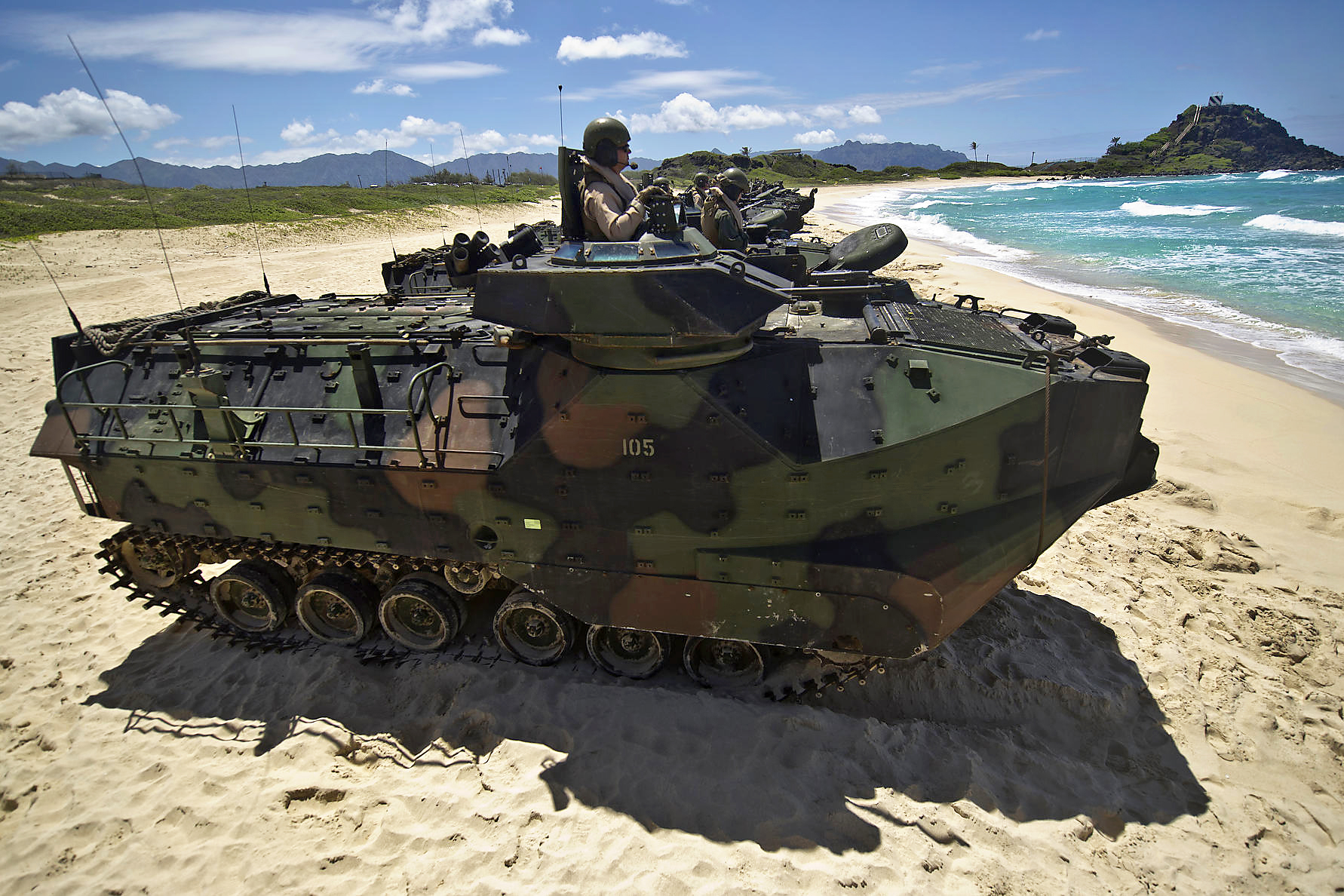
This year’s RIMPAC brings together more than 30,000 personnel from 30 nations and runs through July 31. At a time when China is building ships at a staggering pace and hostile regimes are learning from every conflict on the planet, this is not just spectacle in the Pacific.
It is deterrence with salt spray and steel. If America and its allies want to keep sea lanes open, protect the homeland, and avoid being caught flat footed, then blowing up retired ships in realistic drills is not wasteful theater, it is common sense readiness.
The opinions expressed by contributors and/or content partners are their own and do not necessarily reflect the views of RobManess.com. Contact us for guidelines on submitting your own commentary.
Join the Discussion
COMMENTS POLICY: We have no tolerance for messages of violence, racism, vulgarity, obscenity or other such discourteous behavior. Thank you for contributing to a respectful and useful online dialogue.