
The Pentagon disclosed Saturday that more than 600 American troops have been killed or wounded in the war with Iran, a sharp increase of more than 200 casualties from what had previously been listed publicly.
The new total appeared through a major revision of the War Department casualty reporting system, which now separates the conflict into two distinct time periods for the first time.
According to the War Casualty Analysis System, the number of U.S. troops wounded in the conflict now stands at 624. As recently as Friday, that same system listed 420 troops as injured.
The updated system follows labels the Pentagon has rolled out in recent weeks, shifting most July casualties out of Operation Epic Fury and into a newly created category called “Overseas Operations.”
That change also altered how the Pentagon accounts for the 18 American troops killed in the conflict. Four deaths were moved out of Epic Fury and into Overseas Operations, including three soldiers killed July 17 in an Iranian attack in Jordan and another killed during a controlled detonation of a downed Iranian drone in Iraq.
Those four deaths had been removed from the official Pentagon tally late last week, sparking justified anger from families who had already seen their loved ones identified and honored as combat casualties. Bureaucratic reshuffling is one thing, but Gold Star families are not spreadsheet entries.
The new count begins with casualties on July 7, the date the Pentagon says marked the end of Epic Fury. The Trump administration has argued that the operation ended that day with the announcement of a short lived ceasefire, which reset the legally mandated 60 day clock for military action without congressional approval.
Still, the fighting before and after July 7 has looked remarkably similar on the ground and in the air. U.S. bombing missions have continued trading blows with Iranian missiles and drones, even as officials draw new lines around the paperwork.
President Trump himself has referred online to the “Iran Military Conflict” and said it has seen 18 American service members killed. That figure includes the four troops killed after July 7, which makes the shifting categories even more politically charged.
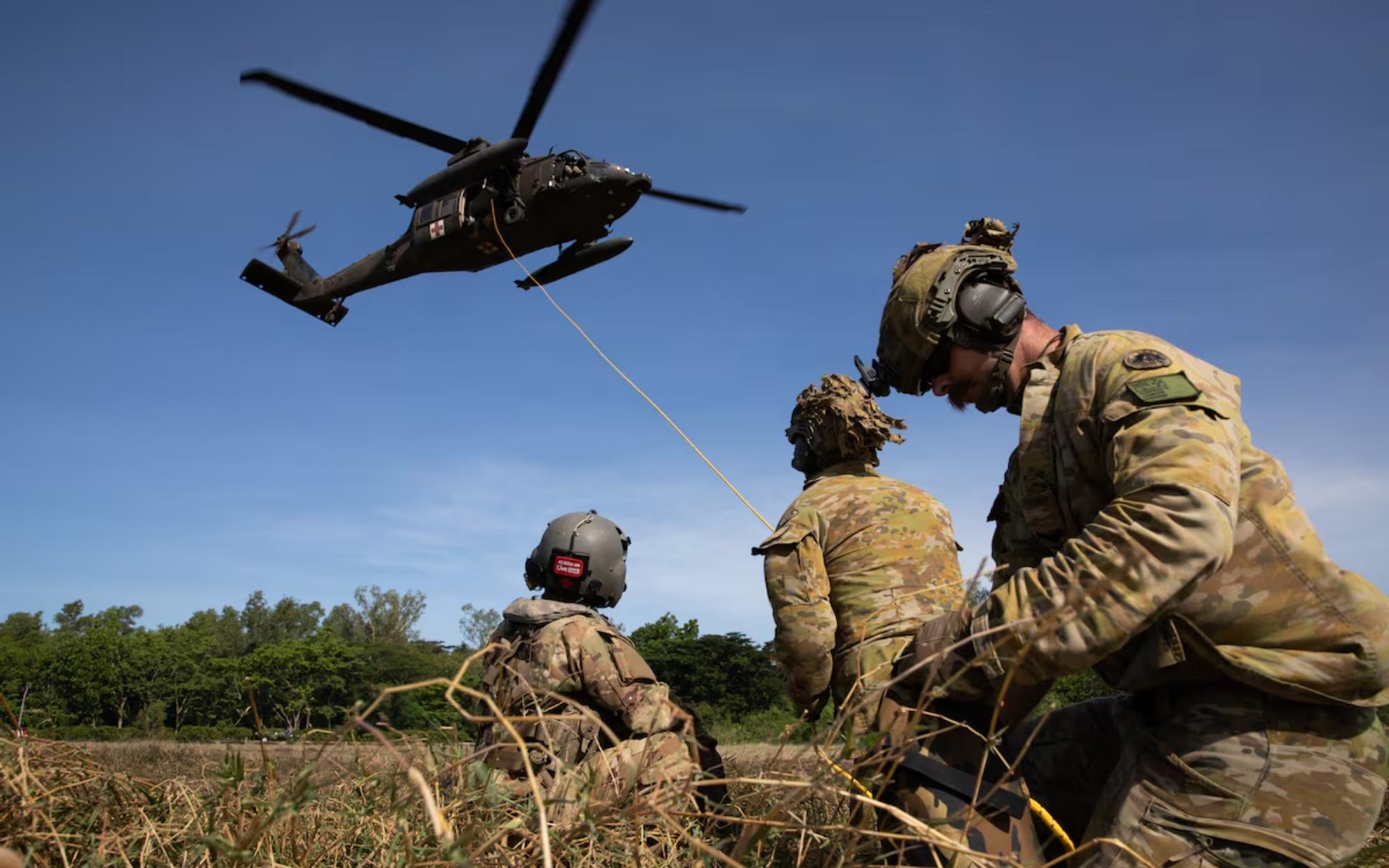
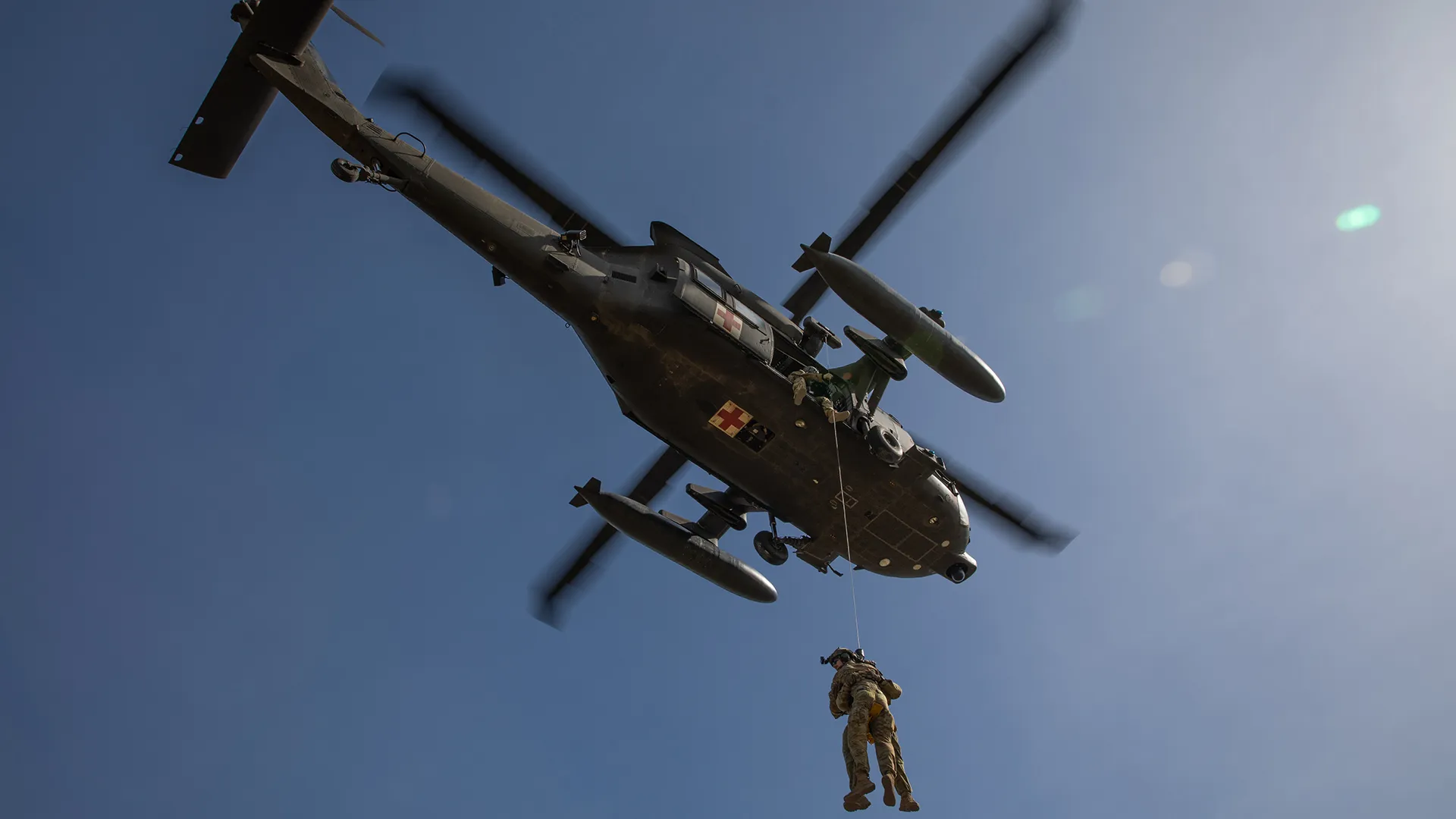
The latest figures show nearly 200 additional wounded troops, most of them Army soldiers, compared with what had previously been disclosed. Of the 207 troops wounded since July 7, 182 are soldiers, 21 are sailors, and four are airmen, according to the casualty system.
The Saturday update came after a week of unexplained revisions in Pentagon data. On Thursday, the Pentagon scrubbed the July deaths of four Army soldiers from its official count of U.S. troops killed in the Iran war and removed 65 wounded service members from the injured tally.
What is not in dispute is that 18 specific American service members have died during the conflict. Each has been identified by name by the Pentagon and memorialized as a combat casualty, while the military generally does not identify wounded troops or publicly classify their injuries.
Pentagon officials offered little clarity before the two period update appeared Saturday. A spokesperson for the Personnel and Readiness office, which maintains the casualty database, did not explain the changes, while U.S. Central Command officials said they do not “manage” or “own” the DCAS website.
War officials first signaled Thursday that the July casualties were being reclassified because of Trump’s declared ceasefire. Later, a Pentagon spokesperson told multiple news outlets the shifting numbers were due to “temporary data disruptions” on the casualty website and would soon be corrected.
Other American deaths in the conflict include six soldiers killed in the Port Shuaiba, Kuwait attack, one soldier killed in an attack in Saudi Arabia, six airmen who died in a KC 135 crash in Iraq, and a Navy helicopter pilot from the USS George H.W. Bush who died in a crash in the Arabian Sea.
The discrepancy lands amid earlier reporting that questioned whether the Pentagon was undercounting casualties. The Intercept reported in April that casualty numbers were being undervalued, and later noticed that 15 injured service members had disappeared from wounded in action totals.
This past week, the Associated Press reported that the true number of Americans wounded in the Iran war had climbed above 500. CBS also reported that nearly 100 service members were injured in multiple Iranian airstrikes this month alone.
Chief Pentagon Spokesman Sean Parnell said that 96% of service members had returned to duty. He described most of the injuries as “minor concussions.”
A war official cited operational security in a New York Times report as the reason for inconsistent or delayed casualty information. That explanation may hold in some cases, but the public still deserves numbers that do not look like they are being run through a political fog machine.
David Lapan, a former Pentagon spokesperson from 2000 to 2003 and again from 2009 to 2011, said casualty reporting is one of the few ways Americans can understand the trajectory of a war. “If service members are wounded in action, if they’re hurt, again, that is a measure for the public to know how this particular war is going,” he said.
“In the absence of specific information from the department about these military operations, unfortunately, casualty reporting is one of the few ways that the public can judge how this war is going.”
For troops and families, the issue is not just data management. It is trust, accountability, and whether Washington can tell the country plainly what American service members are paying in blood while Iran keeps testing U.S. resolve.
The opinions expressed by contributors and/or content partners are their own and do not necessarily reflect the views of RobManess.com. Contact us for guidelines on submitting your own commentary.
Join the Discussion
COMMENTS POLICY: We have no tolerance for messages of violence, racism, vulgarity, obscenity or other such discourteous behavior. Thank you for contributing to a respectful and useful online dialogue.