
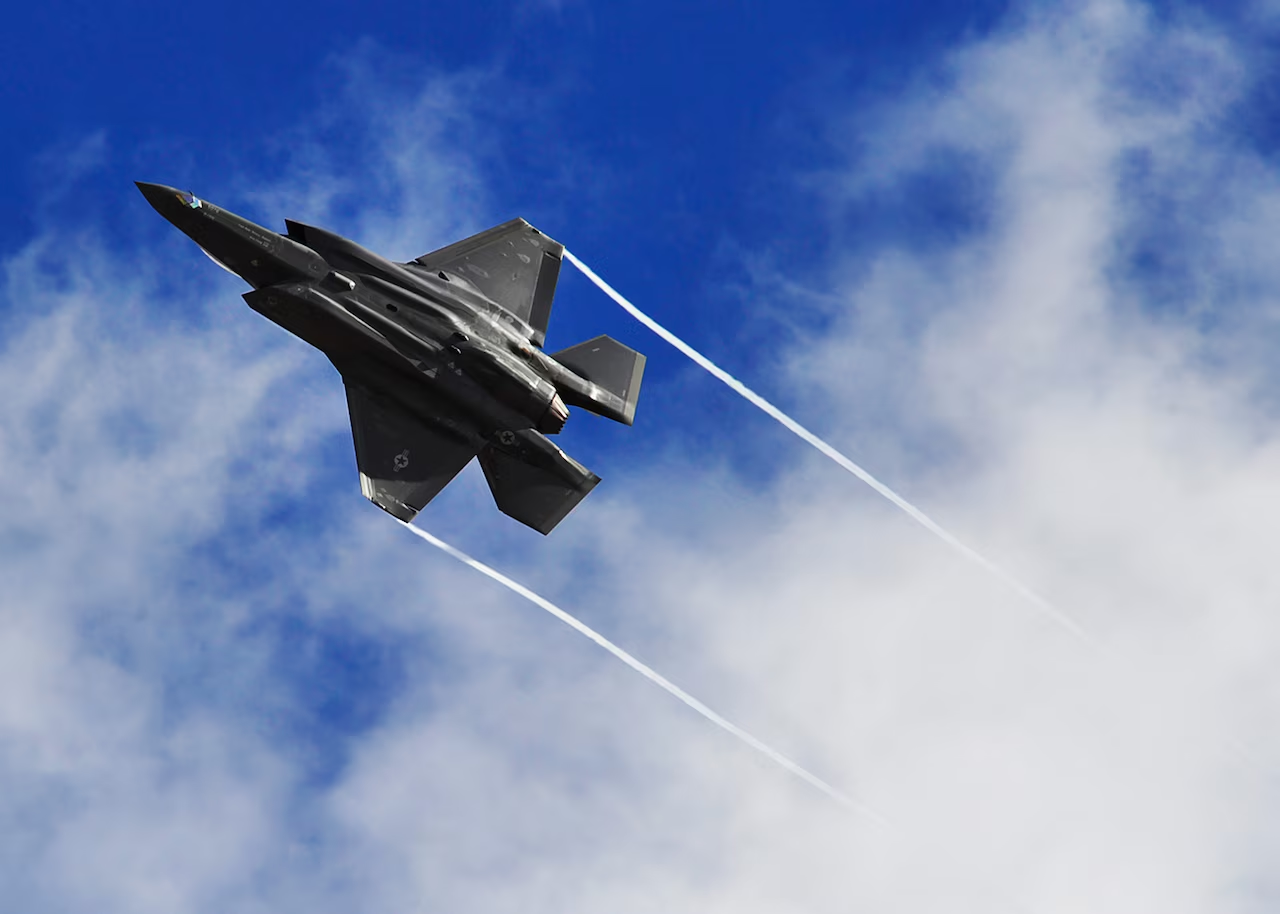
The F-35 Lightning II program, long touted as America’s crown jewel of airpower, is facing a major readiness collapse.
According to a new Government Accountability Office (GAO) report, just one in four of the Pentagon’s F-35s is fully mission capable — meaning the aircraft can perform all its assigned missions without restriction.
That dismal 25% full-capable rate marks a steady freefall in reliability and performance, raising fresh alarm over how the country’s most expensive warplane is being managed.
GAO found that overall mission readiness for the F-35 fleet has plunged from 67% in fiscal year 2021 to just 44% in 2025, while the full mission capable rate tumbled from 38% to 25% across the same period.
In plain terms, that means the majority of these supposedly cutting-edge fighters are spending their time grounded, sidelined, or operating at reduced capacity — an unacceptable situation for the premier aircraft of the United States military.
The report points to familiar culprits: a shortage of parts, corrosion problems, lagging software, and chronic delays.
Air Force officials even admitted some new jets couldn’t perform assigned missions due to software issues at delivery. It’s the same bureaucratic inertia and contractor unaccountability critics of the War Department have been warning about for years.
GAO was blunt, writing in its summary that the F-35 “remains the Department of War’s most costly weapons system” while failing to achieve “required performance goals.”
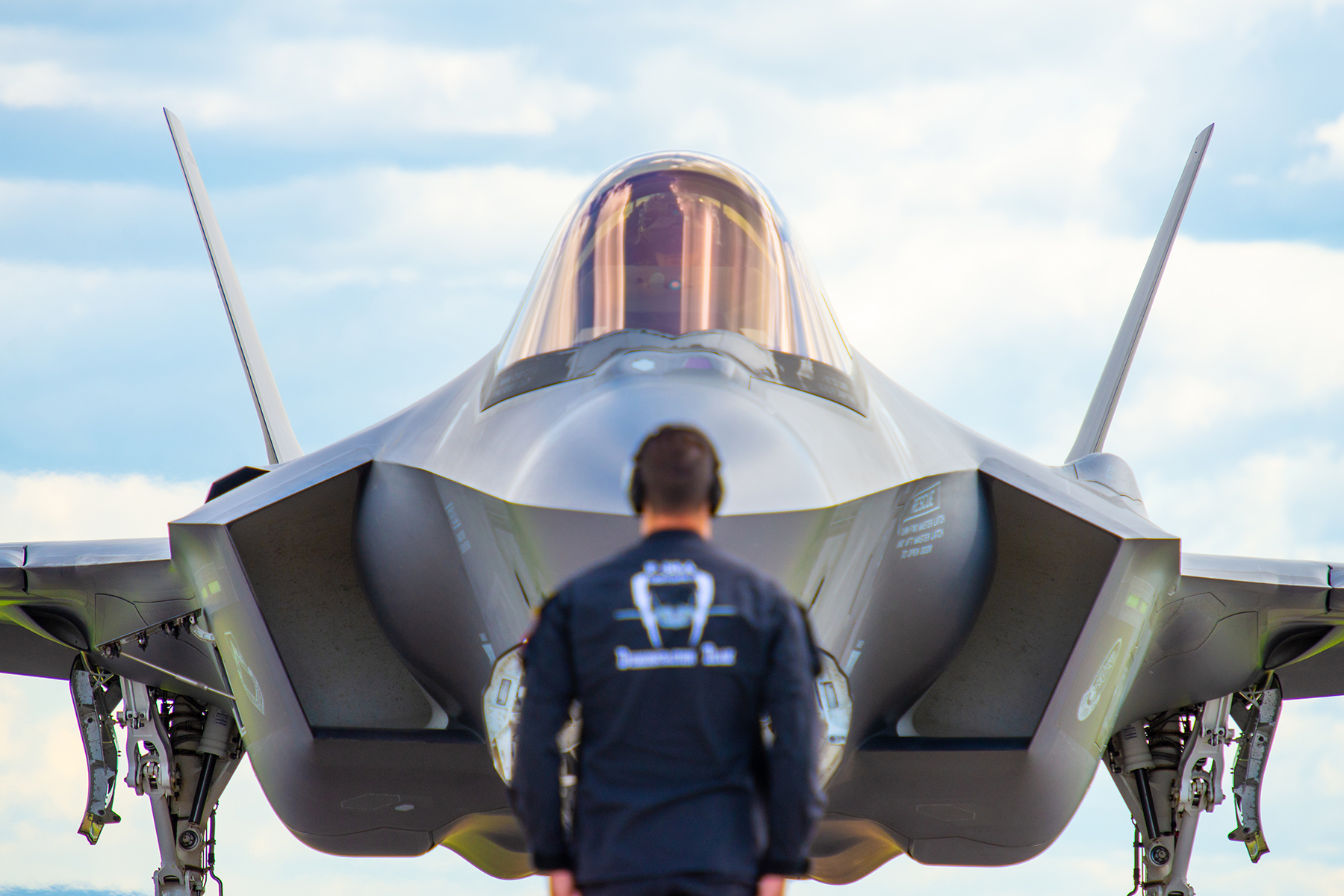
Worse yet, the cost to sustain the aircraft “continues to increase,” creating a budget hole that threatens long-term fleet operations. For a jet designed to be the backbone of U.S. air superiority, that’s a grim assessment.
To try to reverse the downward spiral, the F-35 Joint Program Office (JPO) launched a so-called “Global Support Solution Reset” in June 2025. The initiative sets ambitious targets: an 80% mission capable rate and a 65% full mission capable rate by 2030.
Achieving that, however, will cost an extra $13.7 billion beyond what was already planned, money that will have to come out of yearly service budgets.
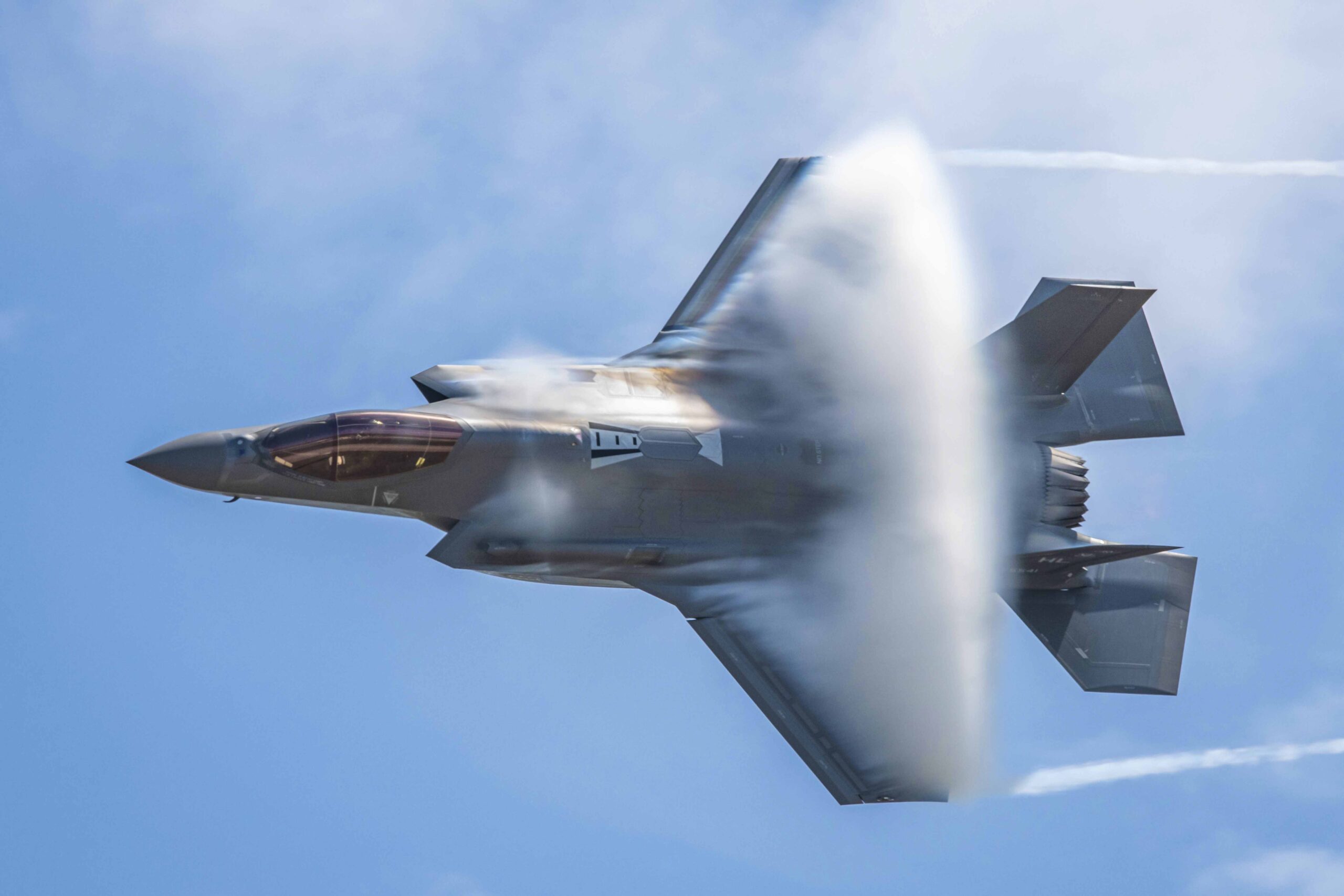
Of that total, only $2.2 billion will directly fund the Reset program. The rest — roughly $11.5 billion — covers the gap between what the services budgeted and what the F-35 actually costs to sustain.
In short, the program isn’t just off-track; it’s bleeding cash at a historic pace. Even the JPO admits readiness is likely to get worse before it gets better, with no measurable improvement expected until at least late 2026.
GAO spelled out several risks threatening the Reset’s success. Chief among them: the JPO’s heavy dependence on private contractors like Lockheed Martin, which builds the F-35, and Pratt & Whitney, responsible for the jet’s engines.
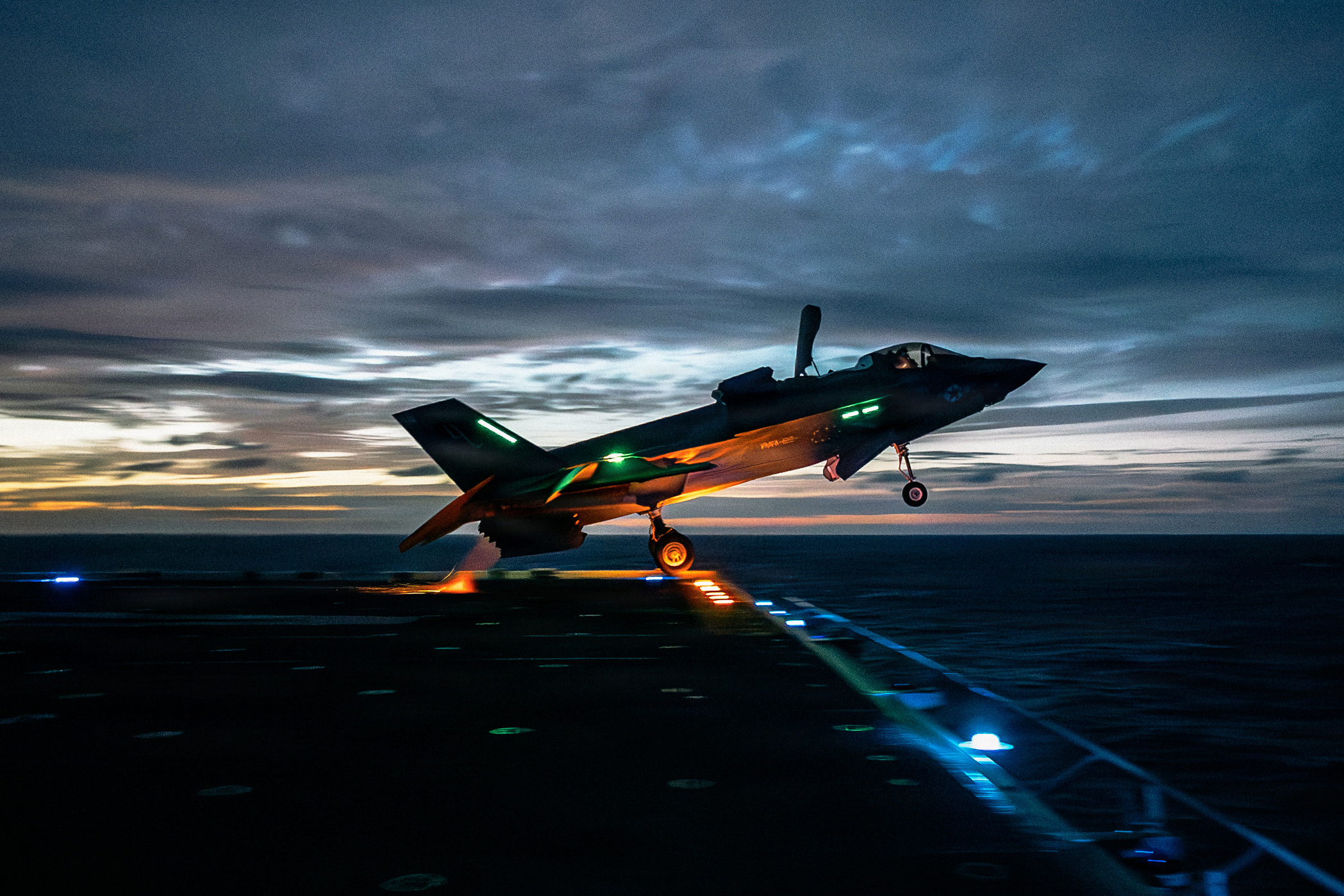
The watchdog warned that Lockheed’s supply chain still has major bottlenecks — including 48 critical parts that can’t be produced in sufficient numbers, from canopies to landing gear components.
That supply problem is now turning into a financial black hole. GAO projects that by the mid-2030s, the services will face a $1.2 billion annual shortfall in sustaining the fleet — even before factoring in the extra flight hours and operational wear from current deployments such as Operation Epic Fury.
Meanwhile, incentives meant to boost readiness have largely backfired. From 2020 to 2023, the JPO paid Lockheed more than $114 million in “performance bonuses” out of a possible $269 million, even as readiness metrics declined.
GAO found that in half the reporting periods, the JPO and Lockheed quietly “adjusted” the data upward, manipulating readiness figures to justify extra payouts. Had the Pentagon stuck to actual performance numbers, Lockheed would have been paid about half as much.
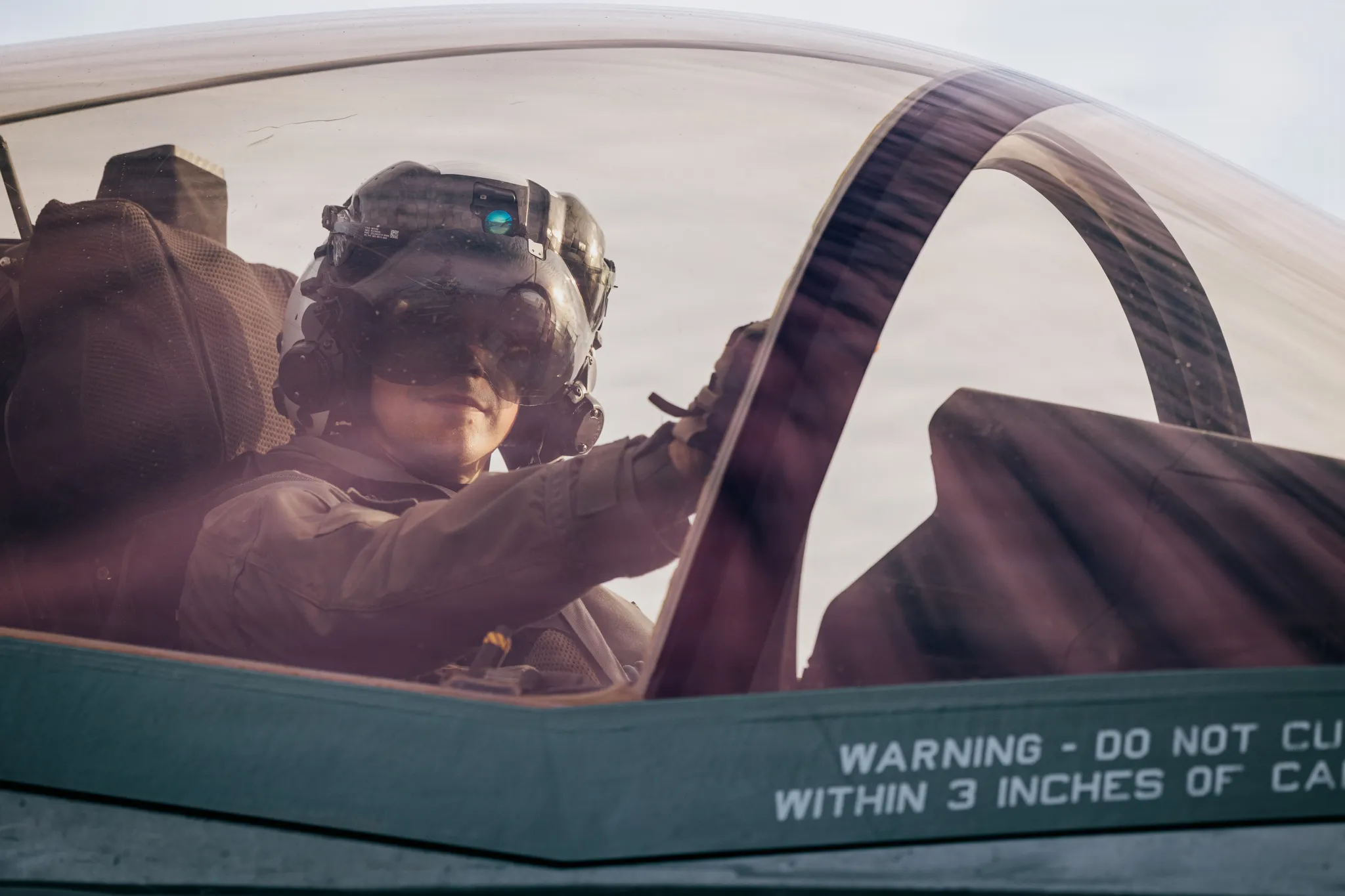
Pratt & Whitney, by comparison, appears to have tightened its operation after criticism from earlier reports.
The engine maker met sustainment targets beginning in 2022, cutting down on the costly engine problems that had grounded dozens of aircraft. That’s progress, but it doesn’t make up for the broader meltdown in fleet maintenance.
Lockheed, for its part, defended its record, claiming it is “partnering with the Joint Program Office to deliver efficient and effective sustainment for the warfighter.”
The company said it has invested over $2 billion of its own money into spare parts to raise readiness rates. A noble gesture, perhaps, but taxpayers are already footing a massive bill for a system that still isn’t combat ready three-quarters of the time.
GAO also called out the JPO for sloppy bookkeeping and inconsistent incentive tracking. Investigators found multiple versions of the same incentive payment spreadsheets, altered formulas, and no clear accountability for how millions in taxpayer funds were allocated.
Even the new contract running through 2028 has no performance incentives tied to full mission capability — instead focusing on supply-chain metrics that GAO says fall short of the program’s own goals.
The watchdog recommended the Pentagon impose tighter oversight, rethink its contractor incentives, and establish a dependable system for tracking payments and performance. GAO has now made 46 such recommendations on F-35 sustainment since 2014.
As of March 2026, the Pentagon had acted on only 14 of them.
Despite all this, the F-35 remains the centerpiece of American air strategy, with more than 800 in service and plans to buy another 1,700 by the mid-2040s. Total sustainment costs are pegged at a jaw-dropping $1.6 trillion over the jet’s lifetime.
The report serves as a wakeup call — not only about inefficiency and over-reliance on contractors but also about the urgent need to restore accountability in the War Department’s premier weapons program.
The opinions expressed by contributors and/or content partners are their own and do not necessarily reflect the views of RobManess.com. Contact us for guidelines on submitting your own commentary.
Join the Discussion
COMMENTS POLICY: We have no tolerance for messages of violence, racism, vulgarity, obscenity or other such discourteous behavior. Thank you for contributing to a respectful and useful online dialogue.