
The Navy is returning to a legendary Pacific battleground, this time launching modern P-8 Poseidon patrol aircraft from the storied Wake Island airfield.
The move marks a significant revival of America’s forward presence in the Pacific as tensions continue to climb with China and regional flashpoints multiply.
According to contracts posted on SAM.gov, Wake Island will serve as the base of operations for “Navy Summer Exercise 26,” directed by Task Force 72, the Seventh Fleet’s main reconnaissance and surveillance unit.
The exercise will rely heavily on the Navy’s P-8 Poseidon, a maritime patrol workhorse capable of extensive reconnaissance, anti-submarine warfare, and intelligence collection across vast ocean territories.
A spokesperson for the Seventh Fleet said that “the Navy continues to maintain the operational use of the airfield on Wake Island to include support for the P-8A Poseidon maritime patrol and reconnaissance aircraft.”
True to longstanding protocol, the spokesperson declined to provide specifics, citing operational security—the kind of discretion that was sorely lacking during prior administrations.
Plans call for two 60-day cycles of operations between June 15 and November 30.
Support contracts include refueling, air traffic control, and weather observation services, as well as extended airfield hours. Wake Island will also host passenger and cargo traffic during the exercise window.
The contracts reflect a clear intent by the Navy to reestablish sustained maritime presence in a location long recognized as a gateway to the Indo-Pacific theater.
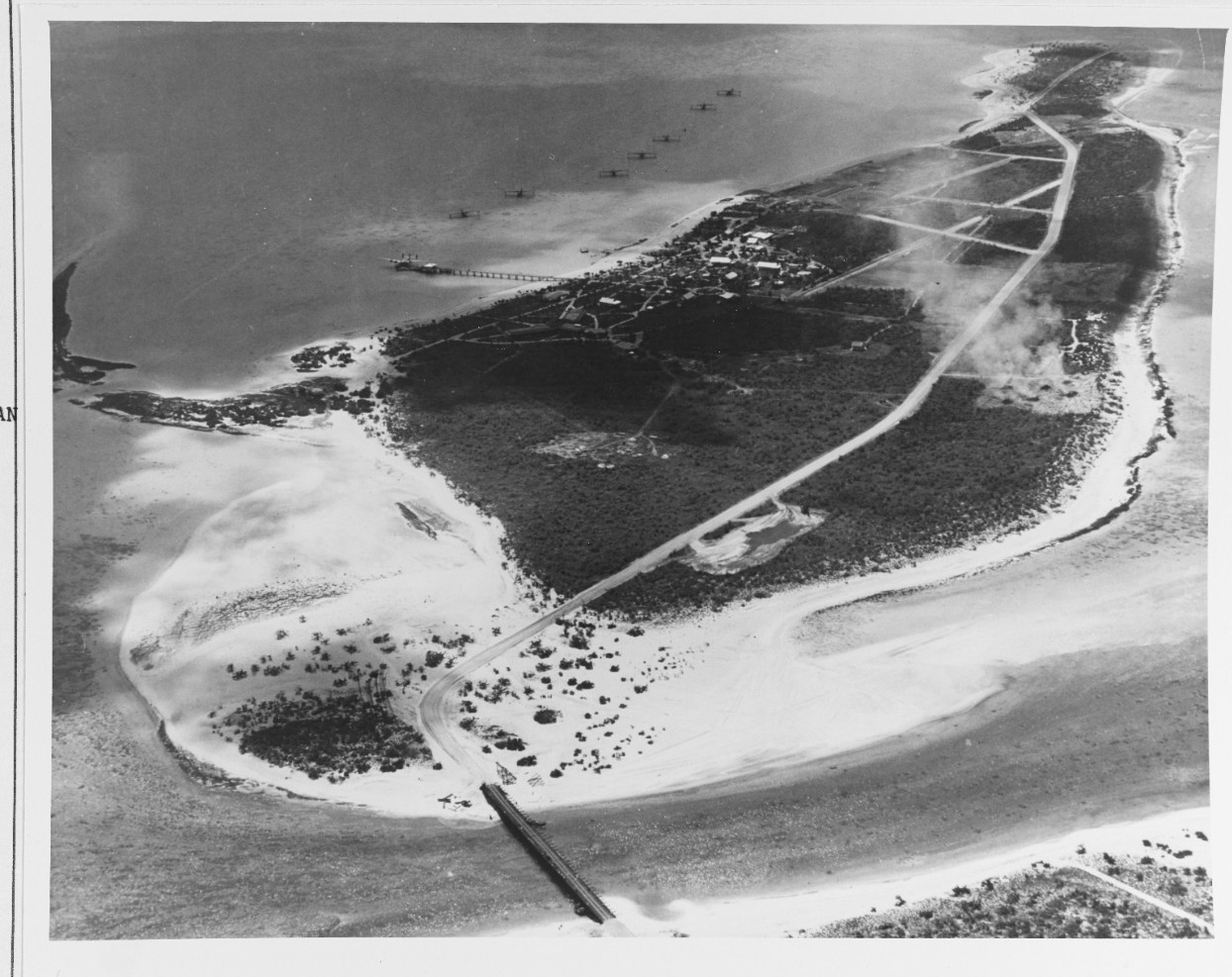
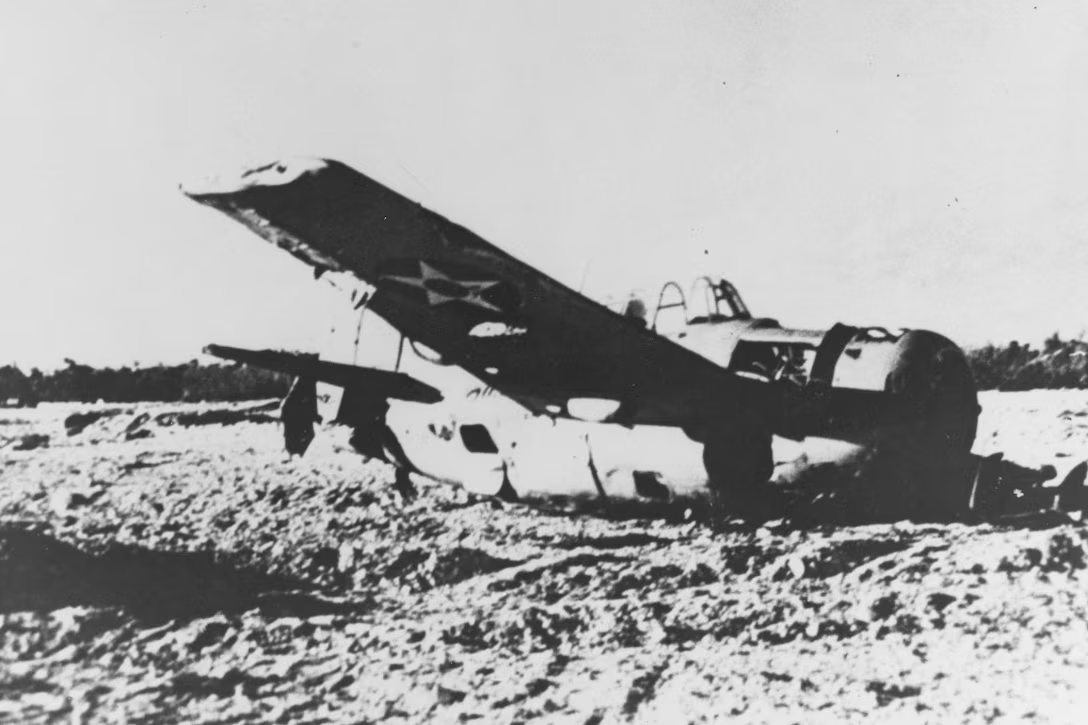
Wake Island’s history reads like a microcosm of American grit. Captured by Imperial Japan after the December 1941 attack on Pearl Harbor, it became a symbol of early struggle and eventual victory in the Pacific.
Postwar, the tiny atoll served for decades as an emergency landing and refuel point for both military and commercial flights. Though largely uninhabited today, the island’s position—midway between Hawaii and Guam—makes it strategically irreplaceable.
In recent years, however, Wake’s infrastructure had fallen into disrepair. The Air Force, which oversees the airfield, invested tens of millions in renovations back in 2020, repairing runways and expanding services to restore the island’s readiness.
Now, the Navy’s renewed operations build directly on that investment, turning the once-forgotten airfield back into a Pacific stronghold.
Wake’s reactivation is part of a broader Department of War strategy: reviving World War II-era outposts across the Pacific to support the next era of deterrence.
This pattern includes significant rebuilds at places like Peleliu and the northern airfield on Tinian in the Mariana Islands.
Those locations are seeing fresh attention from the War Department as the United States works to create a resilient logistics and strike network across the region.
The project at Tinian, in particular, has drawn attention. The Pacific Air Forces recently confirmed that operations at Tinian North Field are scheduled to start this year, with full activation slated to coincide with joint and bilateral training missions.
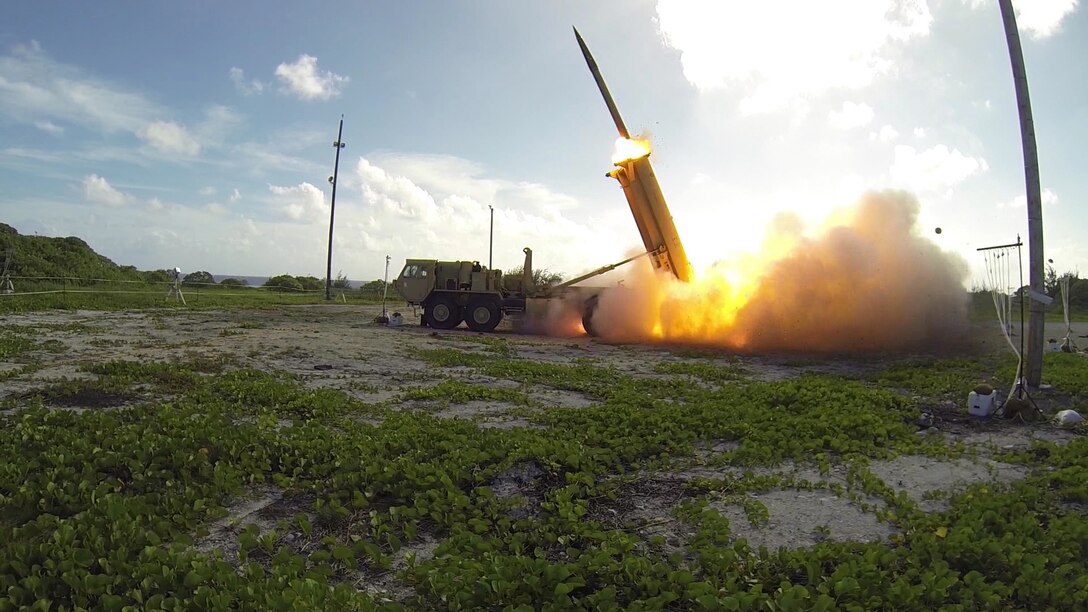
The reconstruction at Tinian mirrors the same thematic approach: restoring America’s “unsinkable aircraft carriers,” those remote Pacific islands that can extend American reach thousands of miles westward.
The strategic reasoning is simple but potent. China has spent decades turning its coastline and surrounding seas into heavily militarized regions. By updating smaller U.S. strongholds across the Pacific, the Navy and War Department counter that buildup with mobility, redundancy, and reach—a network far harder for any adversary to disrupt or neutralize.
Wake Island’s new activity quietly reinforces that shift. P-8 Poseidons operating from Wake will monitor maritime activity across one of the most contested and vital areas of the world: the Western Pacific.
From surveillance of Chinese naval movements to tracking missile tests and maintaining eyes on key shipping routes, Wake’s renewed role adds another layer of American watchfulness.
There’s also symbolism at play here. Reviving Wake Island, once a site of brutal combat and heroic resistance, sends a clear signal about American resolve.
It underscores that this administration—driven by a renewed interest in hard power and deterrence—is unwilling to let strategic ground go idle. Washington’s Pacific posture under the War Department’s revitalized agenda looks far more assertive than the cautious drift of years past.
It’s also a reminder that logistics win wars. Remote islands are not glamorous assignments, but they form the backbone of a projection strategy stretching from Oahu to Okinawa.
Having working runways, fuel supplies, and surveillance capability in these locations allows the Navy to maneuver and sustain over longer intervals, rather than depend solely on major bases vulnerable to first-strike scenarios.
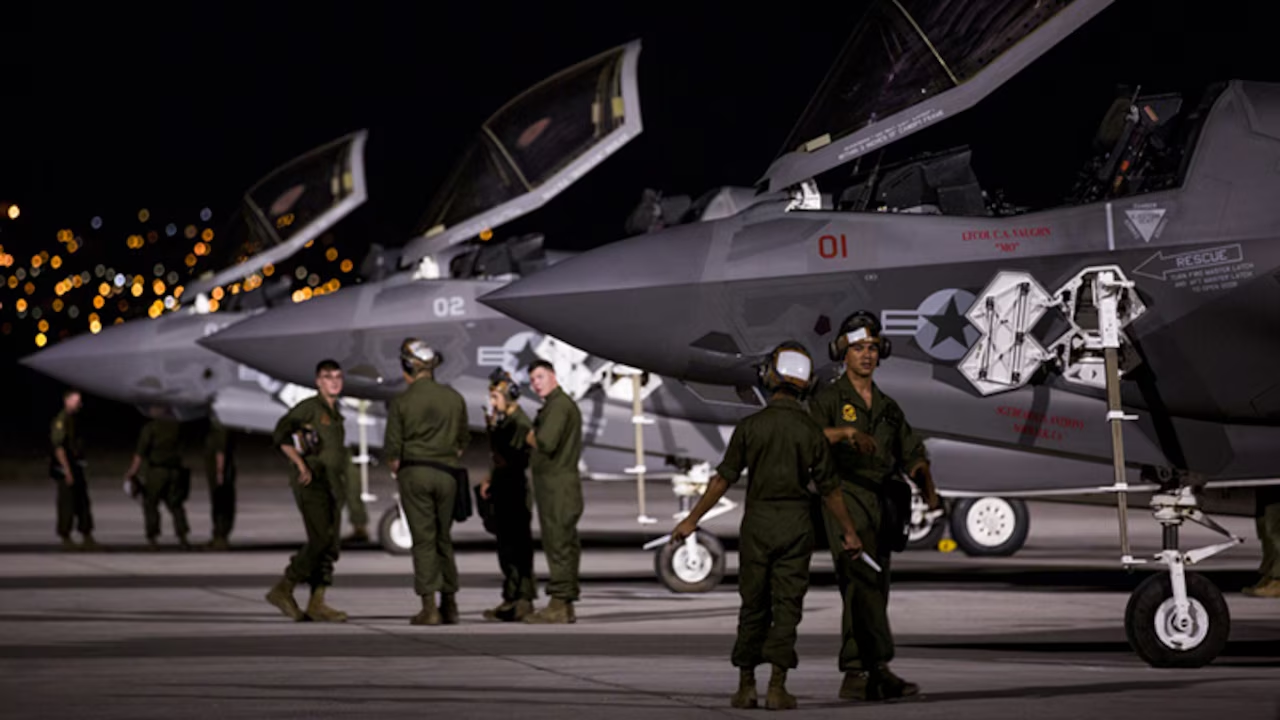
While the Navy stays officially quiet, observers know full well that Task Force 72’s activities on Wake are no routine exercise.
The airfield’s reactivation, along with its extended service schedule and P-8 deployments, embodies the essence of deterrence by readiness—a posture America badly needs to sustain peace through strength in an increasingly aggressive Indo-Pacific theater.
For now, the Navy’s Poseidons will once again cut across Wake’s blue skies, carrying on the legacy of the island’s storied past.
But this time, the mission is just as vital as it was more than 80 years ago: protecting America’s flank, proving that the Pacific belongs to the free world, and keeping watch where it matters most.
The opinions expressed by contributors and/or content partners are their own and do not necessarily reflect the views of RobManess.com. Contact us for guidelines on submitting your own commentary.
Join the Discussion
COMMENTS POLICY: We have no tolerance for messages of violence, racism, vulgarity, obscenity or other such discourteous behavior. Thank you for contributing to a respectful and useful online dialogue.