
The War Department appears receptive to Poland’s push for a permanent American military base on its soil, according to Polish Defence Minister Wladyslaw Kosiniak-Kamysz.
Following fresh discussions in Brussels with U.S. War Secretary Pete Hegseth, Poland’s top military official said Washington responded positively to the idea, signaling a growing bond between the two nations amid the ongoing instability created by Moscow’s aggression.
Kosiniak-Kamysz told reporters that his meeting with Hegseth covered collective defense priorities and bilateral cooperation, with a particular focus on strengthening NATO’s eastern flank.
“The U.S. responded positively to Poland’s proposal to establish a permanent U.S. military base in Poland,” he said.
While no official decision has been finalized, the announcement marks a strong step forward in consolidating long-term American military presence in the region.
Poland has repeatedly urged both NATO and the United States to move beyond rotational troop deployments and commit to a fixed, enduring American footprint.
That stance comes as Russian provocations along the alliance’s eastern borders continue to raise alarms. For Warsaw, a permanent U.S. garrison represents not only a security guarantee but also a symbolic reinforcement that Poland is on the front line of liberty in Eastern Europe.
For the United States, a base in Poland would also enhance logistical reach and deterrence capabilities across the region.
With Hegseth leading the review of America’s global troop posture, it’s clear the War Department is taking a pragmatic approach that prioritizes readiness over political indulgence.
Under Hegseth’s leadership, the emphasis is shifting from legacy deployments to strategic positioning where America’s interests are most at risk.
During the meetings in Brussels, Hegseth announced a comprehensive review of U.S. troop deployments across Europe, specifically targeting cost efficiency and alliance accountability.
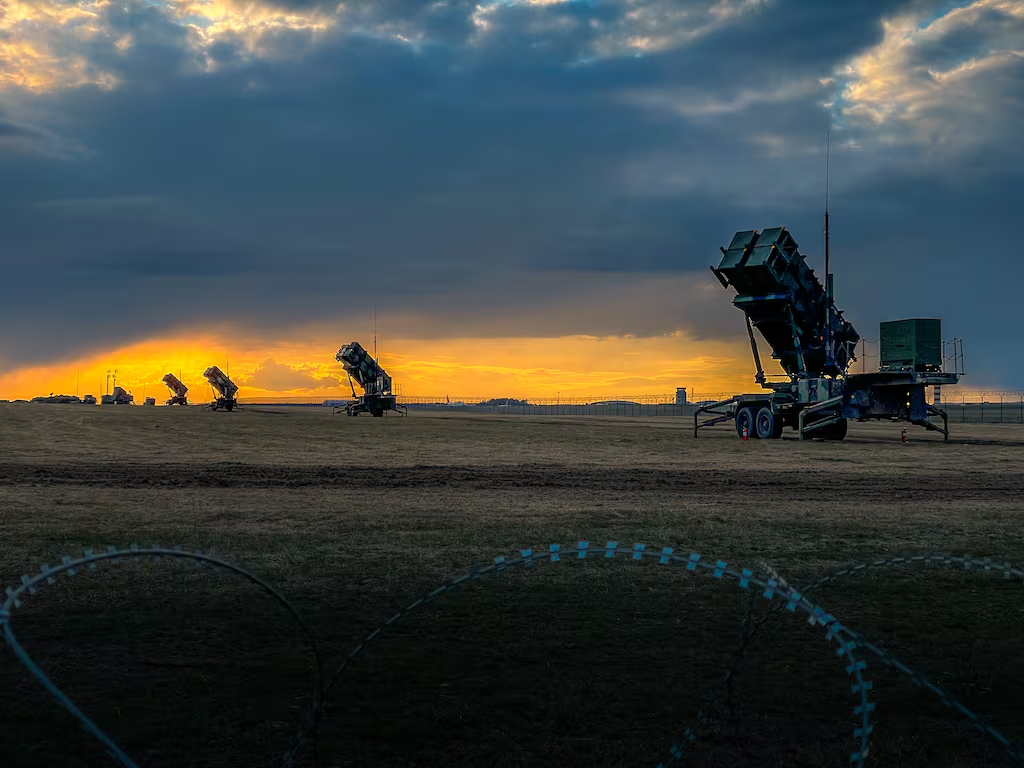
He reaffirmed America’s commitment to NATO’s collective defense principles while calling out nations that continue to shirk their 2 percent GDP defense spending commitments. The message was unmistakable: America will no longer bankroll Europe’s security theater while some allies sit on the sidelines.
“We’re done with free riding,” Hegseth stated bluntly. According to those close to the talks, the War Secretary made it clear that U.S. taxpayers deserve responsible partners, not complacent ones hiding behind American might.
“If you want the shield of freedom, you’ve got to share the cost of holding it,” an aide summarized afterward.
Poland, by contrast, is not hiding behind anyone. The country has invested heavily in modernizing its armed forces, purchasing American-made equipment such as Abrams tanks, HIMARS rocket systems, and F-35 fighter aircraft.
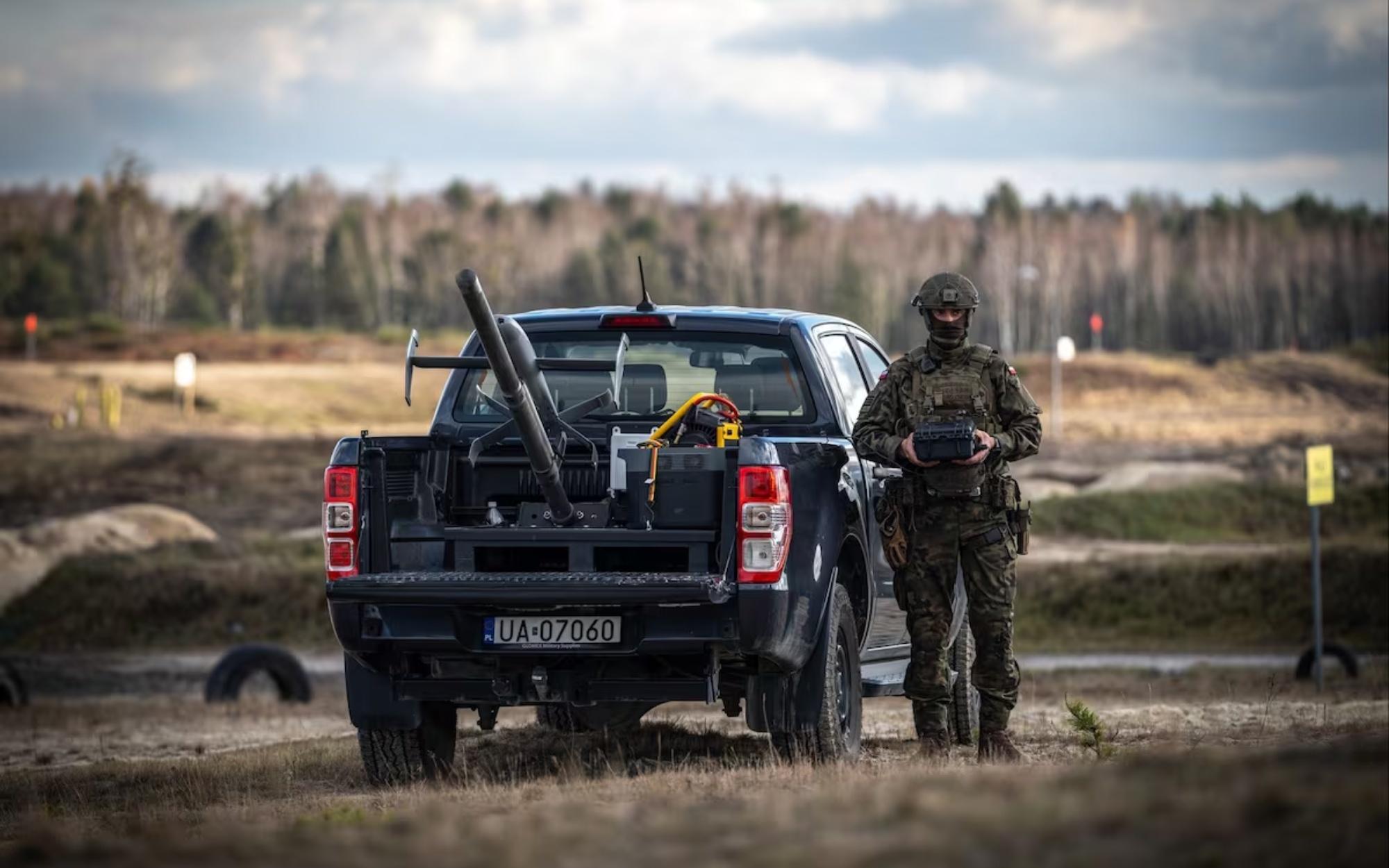
Warsaw’s defense spending now exceeds NATO’s 2 percent benchmark, positioning Poland as one of Washington’s most reliable allies on the continent. That kind of commitment resonates deeply with the current War Department’s “burden-sharing” philosophy.
From a strategic standpoint, a permanent U.S. base in Poland would allow NATO forces to project power faster and respond more effectively to threats along the eastern border.
It would also send a clear message to Russia’s Vladimir Putin that America and its allies aren’t retreating or dithering—they’re doubling down. A fixed American presence would reinforce deterrence and solidify NATO’s operational posture in Central Europe.
At the same time, a long-term base would benefit American troops with purpose-built infrastructure rather than the logistical headaches of the rotational model.
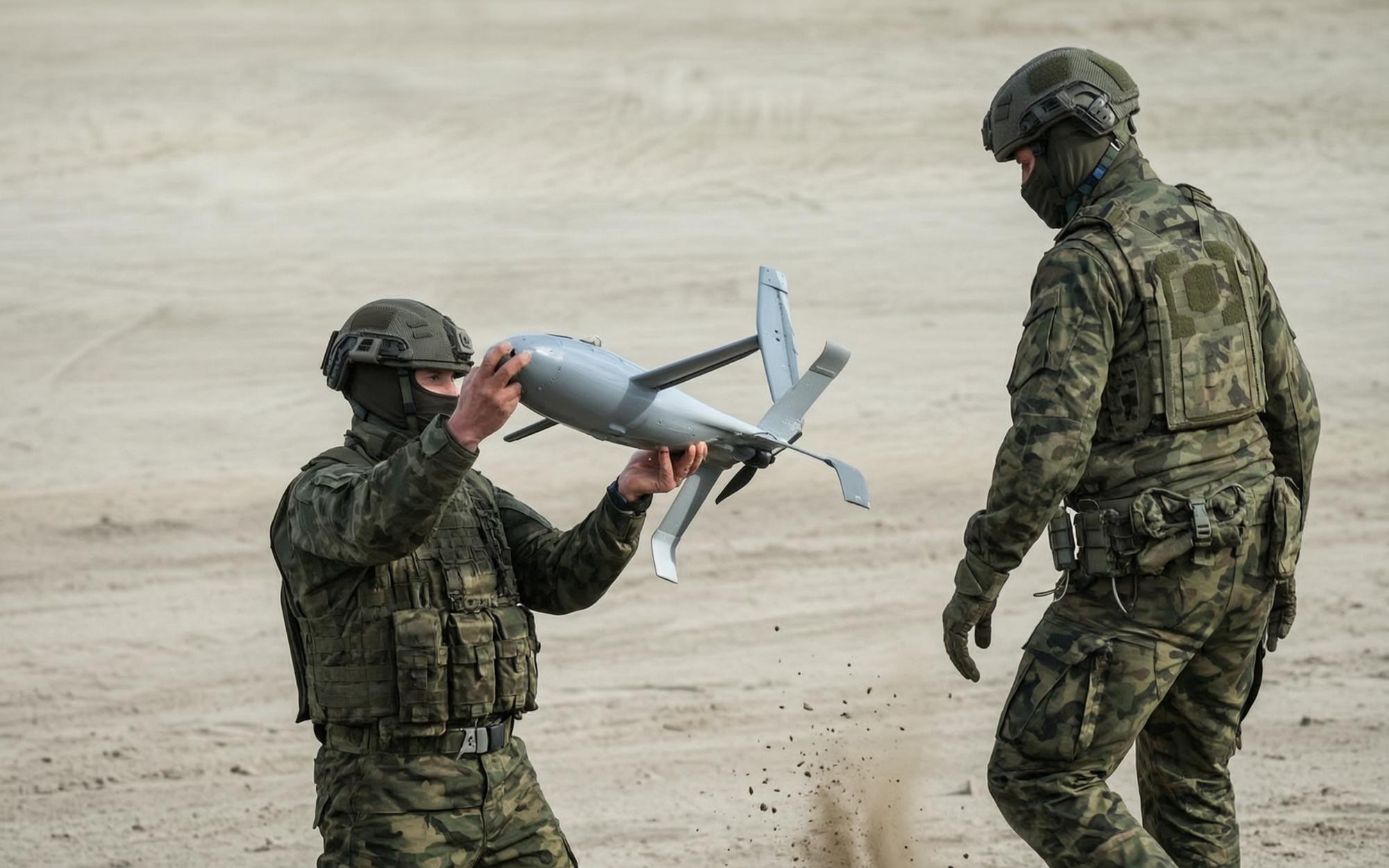
Permanent installations allow for integrated command structures, continuity in training, and deeper coordination with host nation forces. Such integration boosts response times and enhances deterrence, making strategic sense both economically and militarily.
The plan isn’t without critics—mostly from within the “global management class” that fears a more assertive, Europe-focused U.S. presence could disrupt their delicate international order.
Those critics argue that making Poland a more central node of American power would provoke Russia needlessly. But that argument ignores reality: Russia has already invaded Ukraine, conducted cyber operations, and deployed nuclear-capable systems in Kaliningrad. Waiting politely has only emboldened Putin.
It’s no coincidence that this push comes as President Trump and War Secretary Hegseth are realigning America’s defense posture toward strength and reciprocity.
The Trump-Hegseth approach discards diplomatic niceties and focuses on practical, results-driven alliances. Ensuring that the allies who claim to value freedom actually invest in defending it is not controversial—it’s common sense.
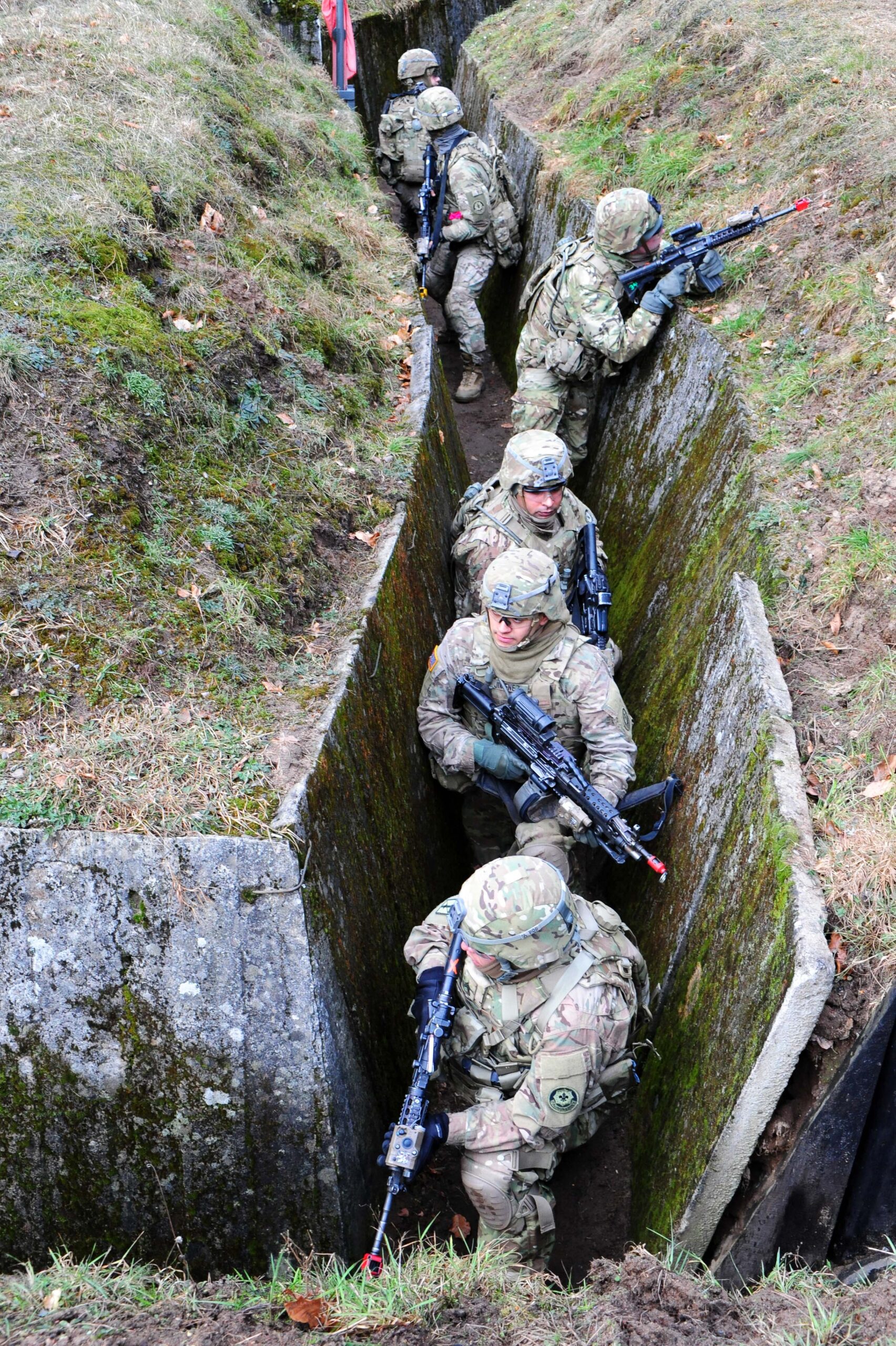
For Poland, the opportunity to host a permanent U.S. base represents more than deterrence.
It is a declaration that their nation stands shoulder-to-shoulder with the American vision of security grounded in sovereignty and resolve. If the War Department moves this initiative forward, it could dramatically reshape NATO’s eastern defense arc for a generation to come.
As Hegseth’s review unfolds, allies from the Baltics to the Balkans will be watching closely.
But for now, Warsaw’s diplomatic persistence and America’s newfound strategic clarity are converging on a single premise: a strong Poland means a stronger NATO front line. And that is precisely what keeps both Europe and the United States safer from threats that refuse to fade.
The opinions expressed by contributors and/or content partners are their own and do not necessarily reflect the views of RobManess.com. Contact us for guidelines on submitting your own commentary.
Join the Discussion
COMMENTS POLICY: We have no tolerance for messages of violence, racism, vulgarity, obscenity or other such discourteous behavior. Thank you for contributing to a respectful and useful online dialogue.