
After two tense months guarding one of the most critical chokepoints in global energy corridors, the U.S. Navy has lifted its blockade of the Strait of Hormuz.
The move comes at the direction of President Donald Trump, following a memorandum of understanding signed between Washington and Tehran that imposes a 60-day ceasefire and reopens the strategic waterway to commercial traffic.
The operation, launched April 12, had redirected over 140 commercial vessels and disabled nine that refused compliance.
Trump’s order to conclude the blockade comes as part of a broader plan to deescalate tensions while projecting unmistakable American strength in the Persian Gulf.
U.S. Central Command confirmed Thursday that naval assets will not fully depart the region but remain nearby to enforce adherence to the agreement.
“Our great naval ships will remain in the general area to make sure that all aspects of the agreement are adhered to, obeyed and in full force and effect,” read the CENTCOM statement.
That assurance means the Iranian regime knows the U.S. continues to hold both the power and the will to act if red lines are crossed.
At the center of this breakthrough is President Trump’s aggressive but effective diplomacy — power first, patience second.
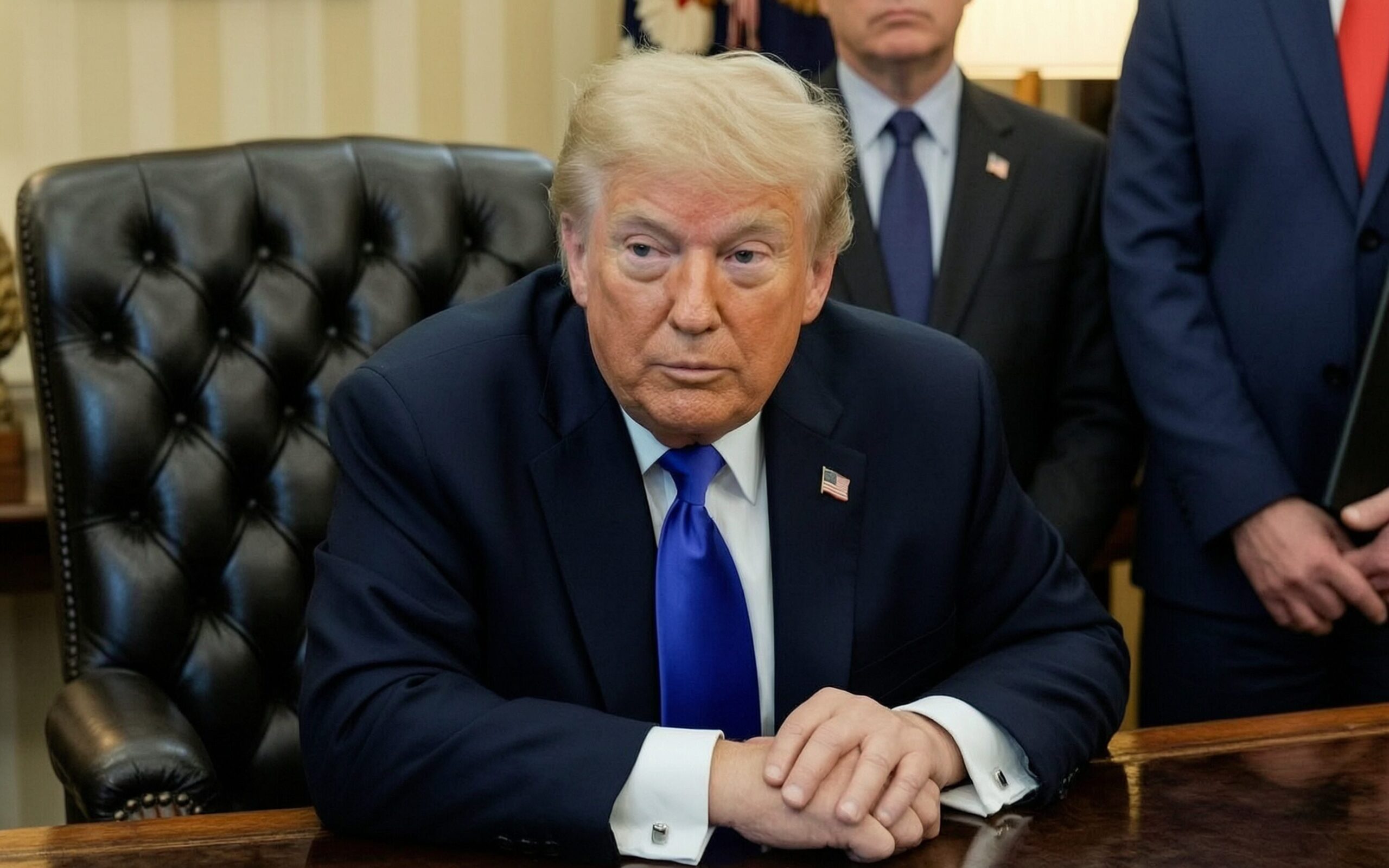
Unlike the weak appeasement deals of past administrations, this memorandum of understanding outlines both economic and security components designed to hold Iran accountable while avoiding further humanitarian disaster in global oil markets.
Under the terms, sanctions on Iran will be temporarily lifted to open the door for a $300 billion reconstruction fund aimed at stabilizing the Iranian economy.
Critics on the left may call this a concession, but the reality is simple: Trump forced Tehran to the table after making it clear the alternative was destruction. Once again, peace through strength delivers results.
Trump has long stood firm that no peace arrangement is meaningful until Iran’s nuclear ambitions are dismantled.
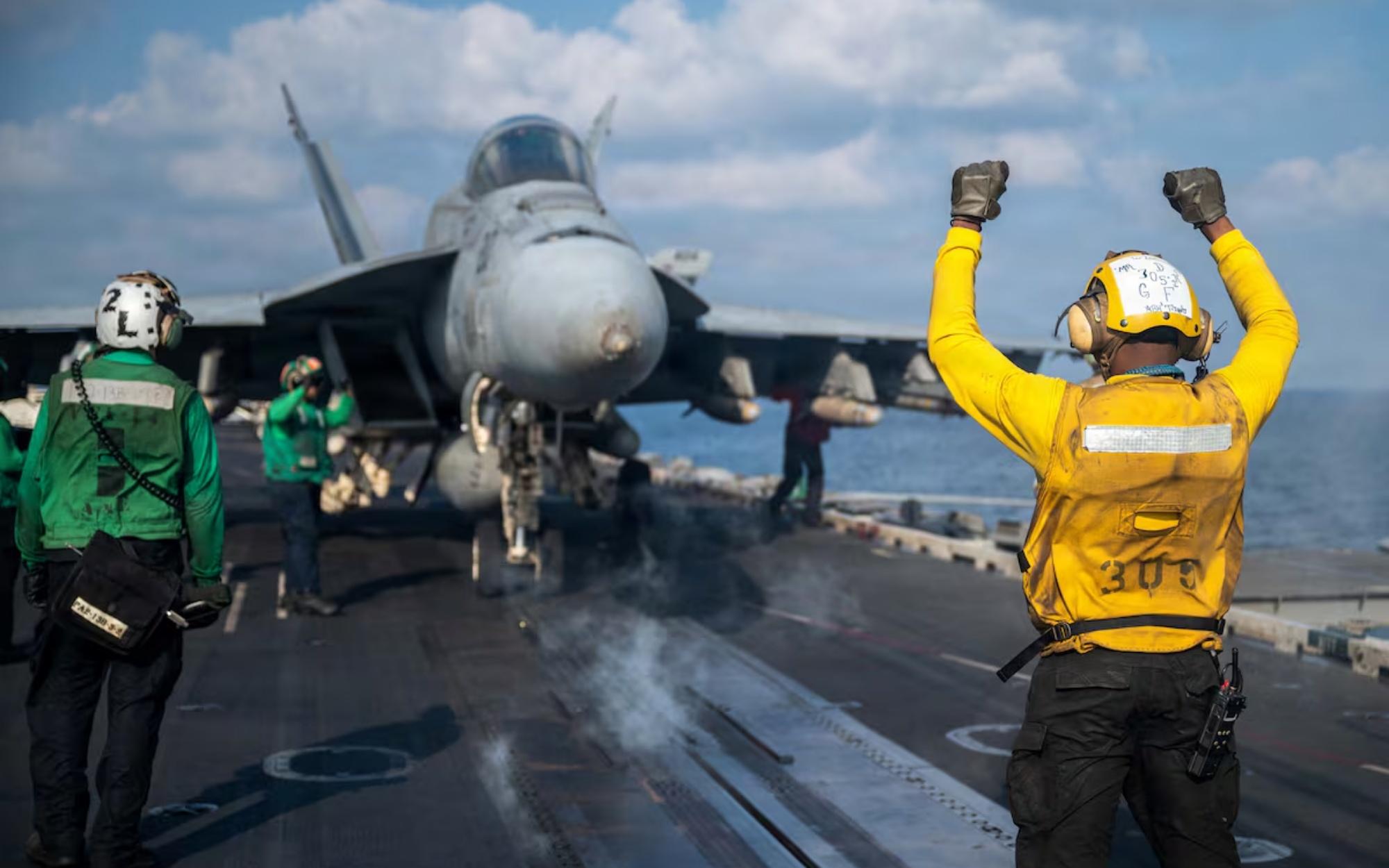
However, both sides agreed that those specific terms will be handled in follow-up discussions. That condition ensures the U.S. maintains leverage while allowing a temporary de-escalation period to verify Iran’s sincerity.
Speaking at the G7 Summit in France, President Trump minced no words when describing the expectations going forward. “If Iran didn’t comply with the agreement,” he said, “the U.S. would go right back to dropping bombs right smack in the middle of their head.”
The blunt warning drew predictable outrage from liberal commentators but made America's deterrent position unmistakable.
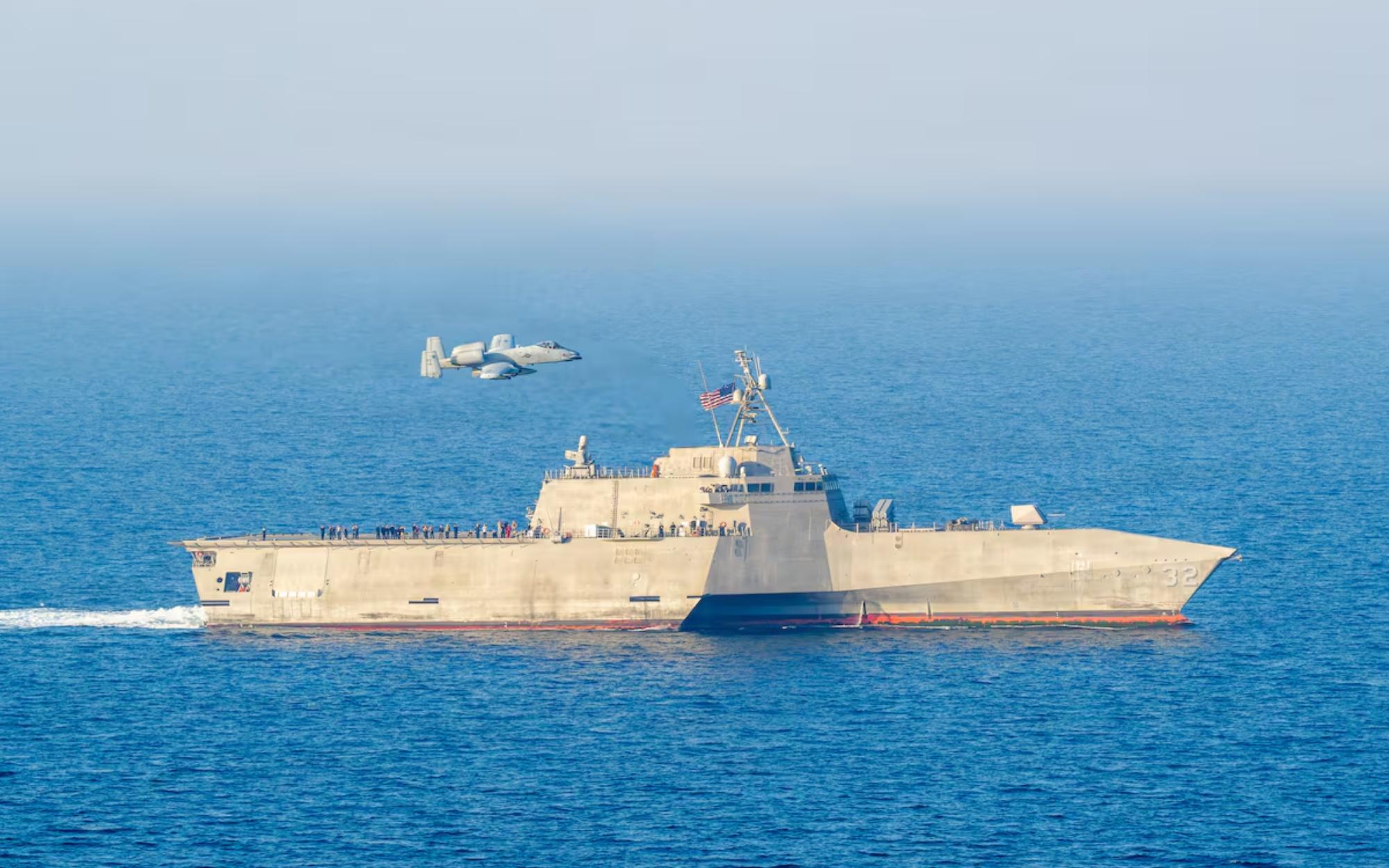
Since the lifting of the blockade, the first reports of oil tanker traffic resuming through the Strait of Hormuz have circulated, marking a cautious return to normal maritime commerce.
Two tankers were confirmed transiting the passage from Iranian ports on Thursday, signaling a measurable relief in global shipping flows.
Trump noted earlier in the week on Truth Social that the strait had reopened but clarified at the summit that U.S. naval forces remain engaged in clearing mines that Iran had scattered along the sea lanes.
The careful mine-hunting and sweeping operations demonstrate both prudence and precision — the kind of military competence expected under War Secretary Pete Hegseth’s strong hand and Trump’s clear direction.
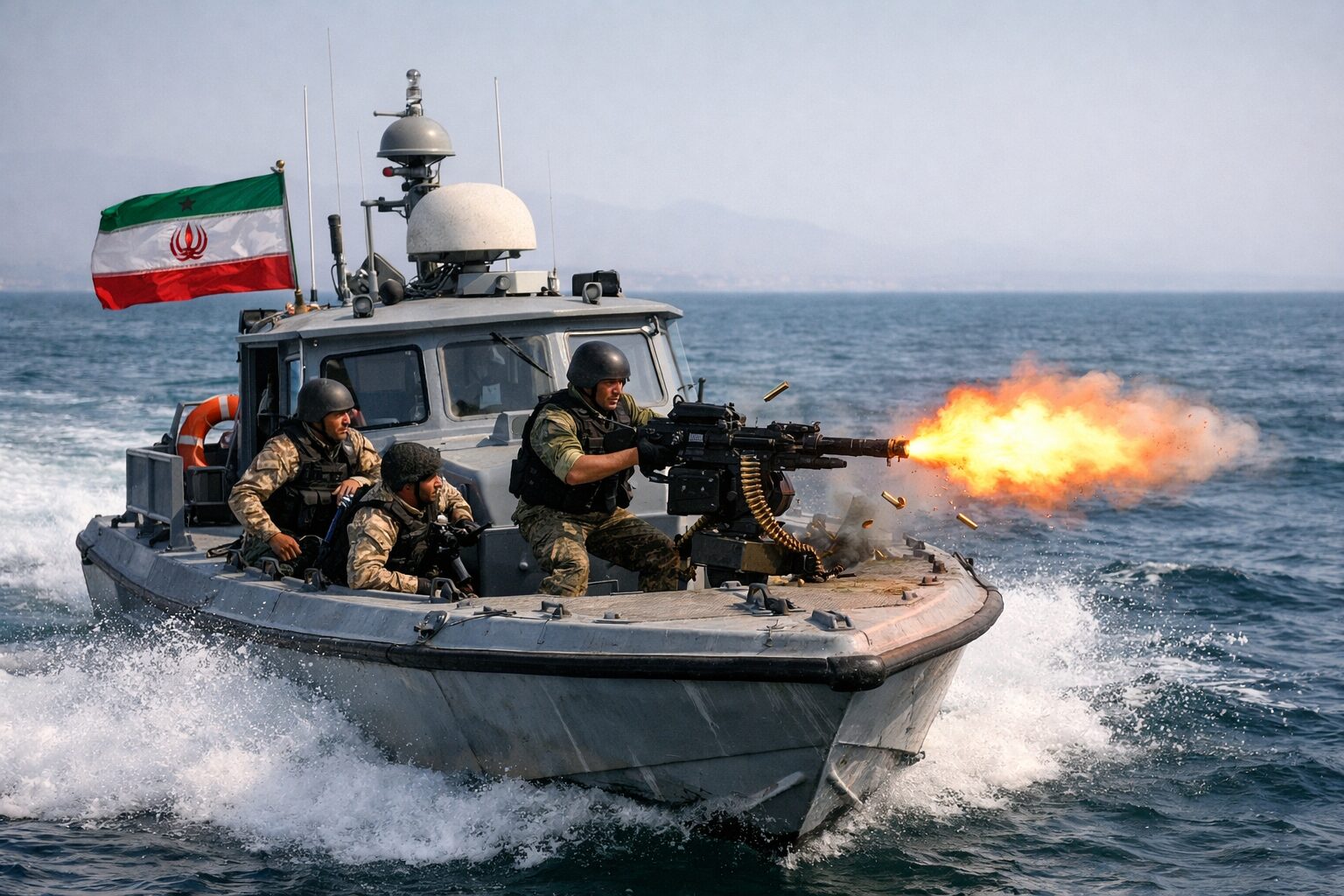
The operation’s completion underscores an important shift: America is reasserting its will in the global order without being shackled by endless conflict.
When force is used, it’s decisive, and when diplomacy is leveraged, it’s backed by that same credible threat. The contrast to the weak, bureaucratic dithering of the Obama-era foreign policy couldn’t be clearer.
For Tehran, the move offers a slim chance to behave like a rational actor in the international community. For Washington, it keeps all options on the table.
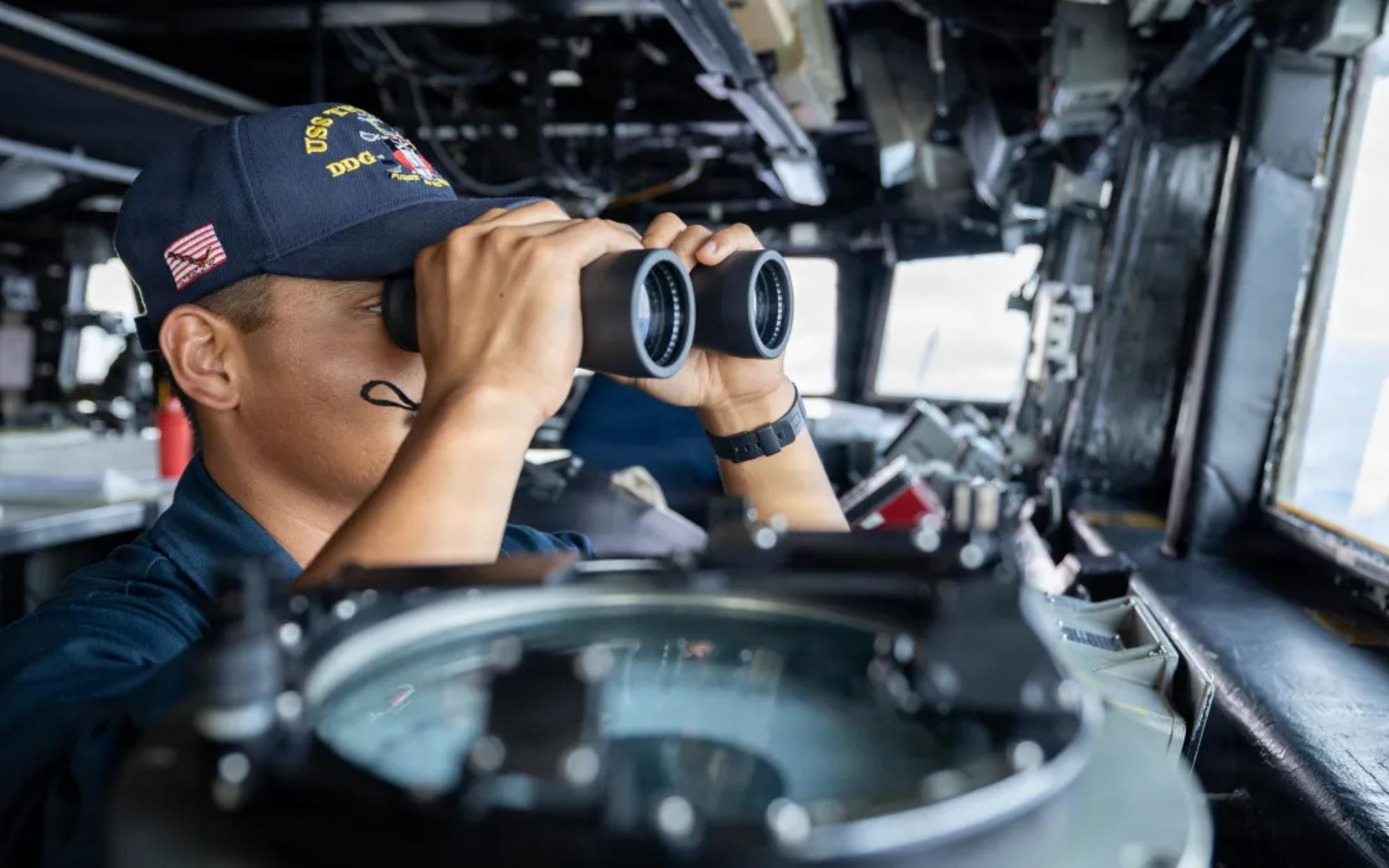
And for the men and women of the U.S. Navy who’ve kept watch over one of the world’s most dangerous maritime intersections, it’s another job done with excellence, professionalism, and power.
The world knows once more that under Trump’s leadership, America doesn’t back down — it directs the terms of peace.
With U.S. ships still in the vicinity and the Strait of Hormuz opening under American supervision, this latest chapter reminds friend and foe alike who truly controls the tide in the Gulf.
The opinions expressed by contributors and/or content partners are their own and do not necessarily reflect the views of RobManess.com. Contact us for guidelines on submitting your own commentary.
Join the Discussion
COMMENTS POLICY: We have no tolerance for messages of violence, racism, vulgarity, obscenity or other such discourteous behavior. Thank you for contributing to a respectful and useful online dialogue.