
The U.S. Air Force’s 621st Contingency Response Wing, famously known as the “Devil Raiders,” has landed in Venezuela after a pair of powerful earthquakes leveled parts of the country and left thousands dead.
Washington wasted no time stepping in with boots, planes, and relief supplies to back up an overwhelmed Venezuelan response effort.
The 7.2 and 7.5 magnitude quakes struck on June 24 within seconds of each other, leaving widespread destruction in their wake.
The latest numbers out of Caracas put the death toll at more than 3,800 with more than 16,000 injured, according to National Assembly President Jorge Rodriguez. Among the dead are nine Americans, confirmed by State Department spokesperson Tommy Pigott.
In the days since the disaster, the United States has committed roughly $350 million for aid and relief operations.
The response is being coordinated through U.S. Southern Command and involves Air Force, Navy, and interagency personnel working alongside Venezuelan authorities and interim leadership.
To get critical supplies moving, the 621st dispatched a Contingency Response Element from its 321st Contingency Response Squadron to Simón Bolívar International Airport outside Caracas.
The 110 airmen on site are helping reopen and stabilize airfield operations so that C-17 Globemaster and C-130 Hercules aircraft can land safely with food, water, medicine, and heavy equipment.
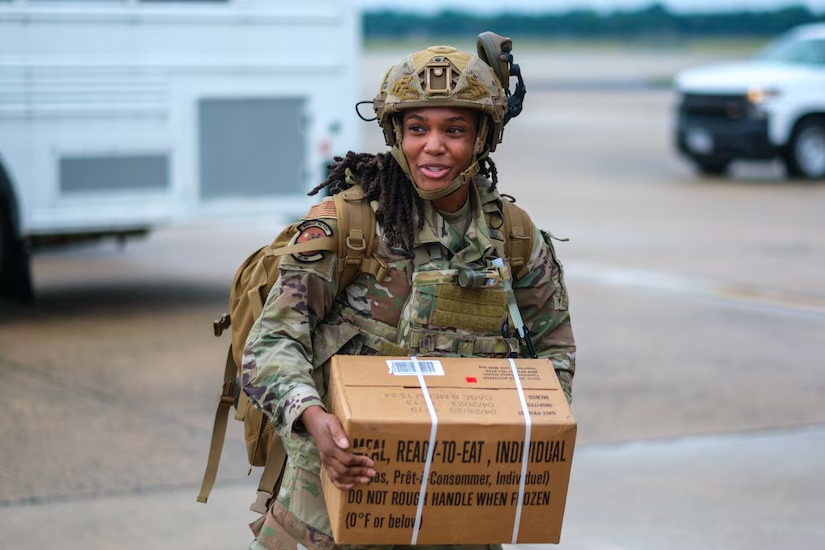
Before operations began, a specialized Airfield Assessment Team touched down to inspect runway conditions and confirm that the airstrips could handle large military cargo aircraft.
Once the inspection cleared the way, crews got to work on ground and tower operations—an effort to unclog the logistical chaos typical of natural disasters of this scale.
“By stepping in to help manage tower and ground operations, the airmen are clearing logistical bottlenecks,” an Air Force release explained.
“This critical infrastructure support ensures that vital supplies, heavy equipment, and relief personnel reach the front lines of the disaster zone as quickly and safely as possible.”
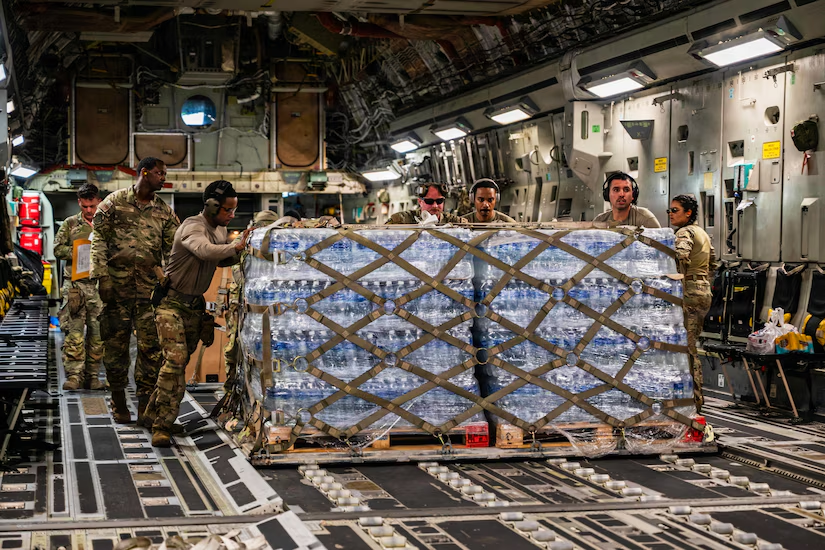
Meanwhile, the Navy has joined the effort as a force multiplier. The amphibious transport dock USS Fort Lauderdale and the littoral combat ship USS Billings have been sent to the region to support transport, communications, and humanitarian operations from the sea.
These ships provide mobile staging areas that make it easier to ferry aid into devastated coastal communities where roads have been completely destroyed.
The 621st Contingency Response Wing operates out of Joint Base McGuire-Dix-Lakehurst in New Jersey and Travis Air Force Base in California. Their mission is rapid-response crisis management—essentially the military’s version of emergency first responders for global logistics.
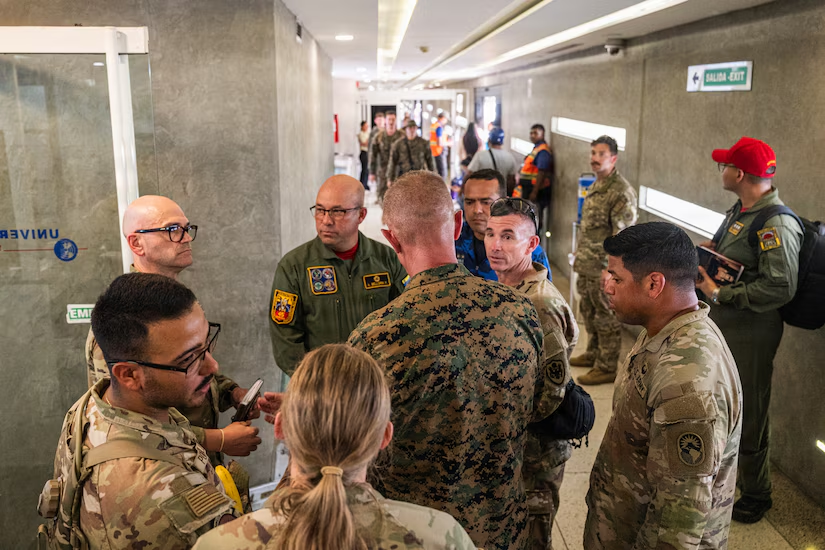
Whenever disaster strikes, the Devil Raiders can open an airfield from scratch, integrate with local authorities, and enable the seamless flow of assistance from the U.S. and its partners.
This is hardly unfamiliar ground for the 621st. Their crews were key players in the aftermath of devastating earthquakes in Haiti and Pakistan back in 2010, and again in multiple hurricane responses across the Southern U.S. and Caribbean in 2017.
Whether it’s a combat zone or a humanitarian crisis, their ability to deliver logistics under pressure has earned the Air Force wing a reputation as one of America’s most adaptable units.
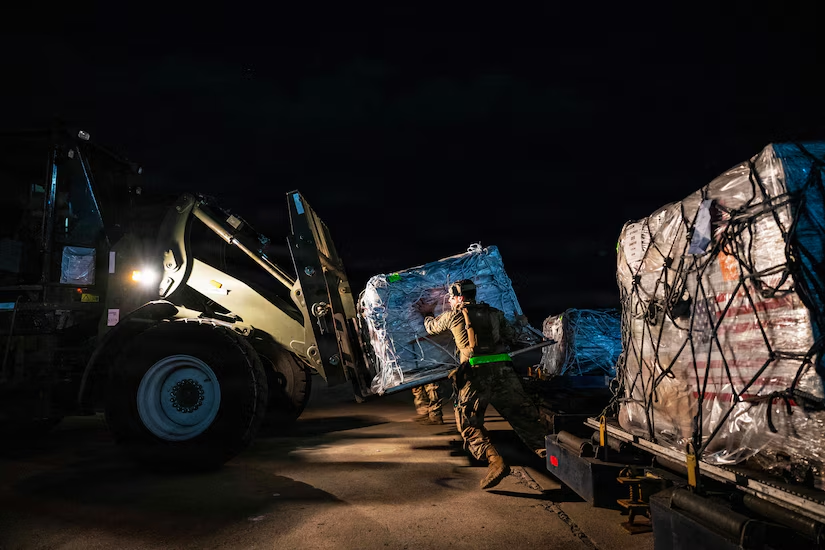
While Venezuela’s socialist regime has often butted heads with Washington, when disaster strikes, reality overtakes ideology. Even Nicolás Maduro’s government couldn’t ignore the scale of destruction.
As the U.S. relief flights began to arrive, Venezuelan officials publicly thanked international partners—even if they avoided singling out America for its leadership role. Still, people on the ground know where the lifeline is really coming from.
The effort stands in sharp contrast to much of what the United Nations or European agencies manage to deliver. Once again, it’s the U.S. that has the logistics, the manpower, and the discipline to turn chaos into coordination.
And that’s not by accident—under the leadership of Secretary of War Pete Hegseth and President Trump, America’s military readiness has refocused on decisive, mission-driven operations that put results above bureaucracy.
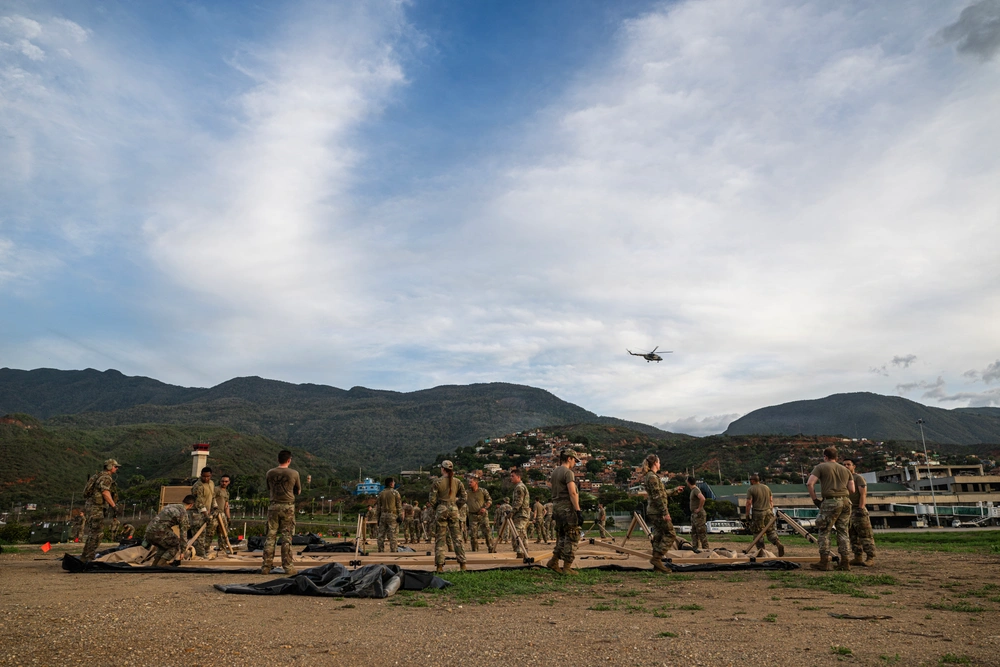
U.S. relief operations aren’t just about humanitarian optics. They also reinforce regional partnerships and show that American military logistics remain unmatched.
At a time when China and Russia are constantly trying to buy goodwill in Latin America with empty promises, the image of U.S. Airmen unloading life-saving cargo speaks louder than any propaganda campaign.
For the men and women of the 621st, this is another day living up to their unofficial motto: open the base, deliver the relief, and restore hope.
While politicians squabble over foreign aid budgets, it’s these airmen who show what actual leadership looks like—doing the job, without hesitation, and reminding the world that when things go dark, it’s the Americans who turn on the lights.
The opinions expressed by contributors and/or content partners are their own and do not necessarily reflect the views of RobManess.com. Contact us for guidelines on submitting your own commentary.
Join the Discussion
COMMENTS POLICY: We have no tolerance for messages of violence, racism, vulgarity, obscenity or other such discourteous behavior. Thank you for contributing to a respectful and useful online dialogue.