
Ukrainian President Volodymyr Zelenskyy is once again turning to Europe’s checkbooks and assembly lines, this time to piece together a new anti-ballistic missile system he’s calling “Freya.”
The project, named after a Norse goddess, is being sold as a homegrown alternative to the American-made Patriot system — but in reality, it’s shaping up to be yet another multinational Frankenstein project dependent on European contractors and foreign capital.
The Freya initiative was announced just days after the NATO summit in Ankara, where allied nations promised a staggering €70 billion, or about $80 billion, in military aid for Ukraine this year.
Zelenskyy, never one to shy away from the microphone, claimed Ukraine would host its first coalition meeting in France “within days” to push the project forward — a project that’s still more vision than reality.
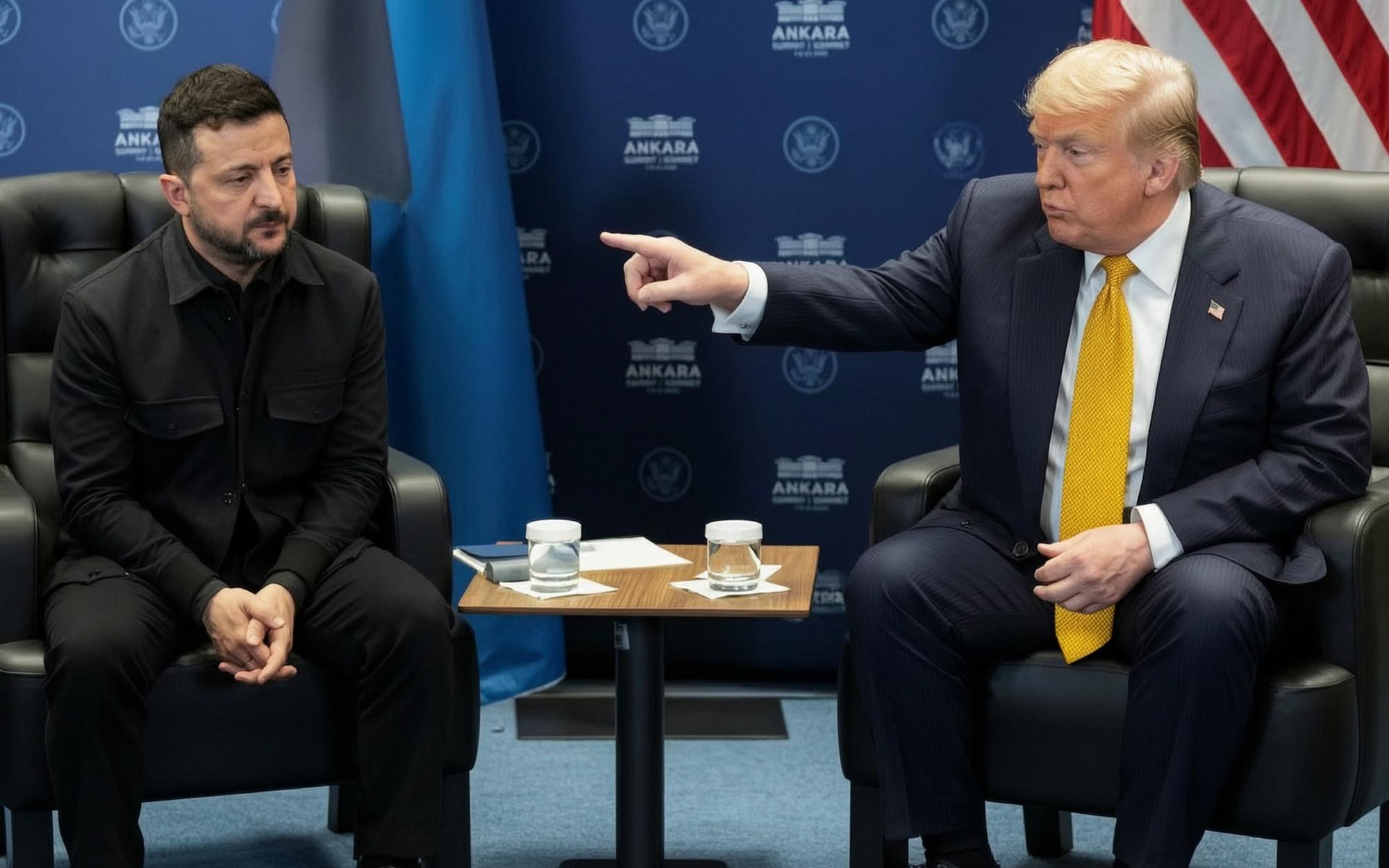
President Donald Trump, meanwhile, made waves by promising to give Ukraine permission to license and produce Patriot interceptors themselves.
“We’ll give them the right to make Patriots,” Trump said, signaling a willingness to help Kyiv build up its missile defense industry on fairer and faster terms — an approach far different from the endless bureaucratic slow-walk Europe prefers.
Zelenskyy described Freya as “a European model,” boasting that it would be an “analogue” to the Patriot but cheaper and faster to make.
That statement came with typical Kyiv spin. In truth, Freya is a patchwork of parts still in need of funding and manufacturing partners. For all the talk of self-reliance, Ukraine still can’t produce the whole package — radars, command systems, and interceptors — without heavy outside collaboration.
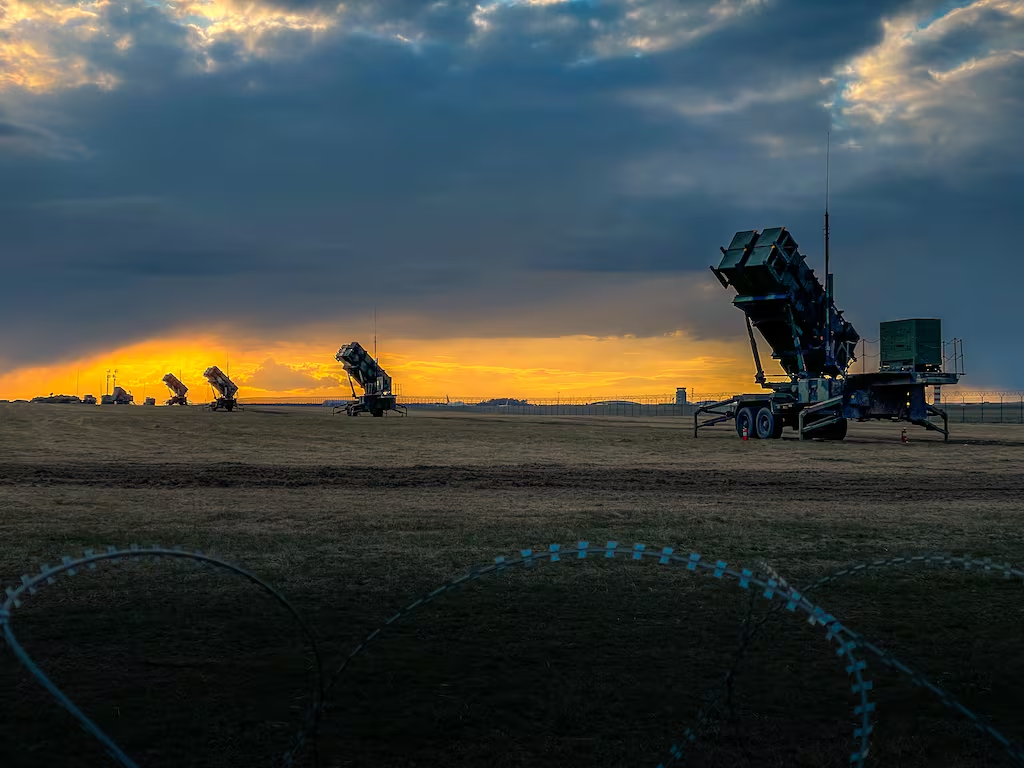
The heart of Freya is the FP-7.X interceptor, developed by Ukrainian company Fire Point. It’s supposedly designed to hit ballistic targets up to 15 miles high.
That’s a far cry from matching U.S. Patriot performance, but Kyiv is marketing it as a mid-tier shield that could finally allow Ukraine to shoot down the kind of Russian missile that’s been pummeling its energy grid and cities for two years.
The company claims it can produce the interceptor at $700,000 per shot — pocket change compared to the $3.8 million price tag of the Patriot PAC-3 missile.
Yet the old adage applies: you get what you pay for. Ukraine can flood the skies with smaller, cheaper interceptors, but whether they’ll actually hit high-speed ballistic threats remains very much an open question.
As Zelenskyy himself admitted, Ukraine “needs European partners who have production of those things that Ukraine does not yet have.”
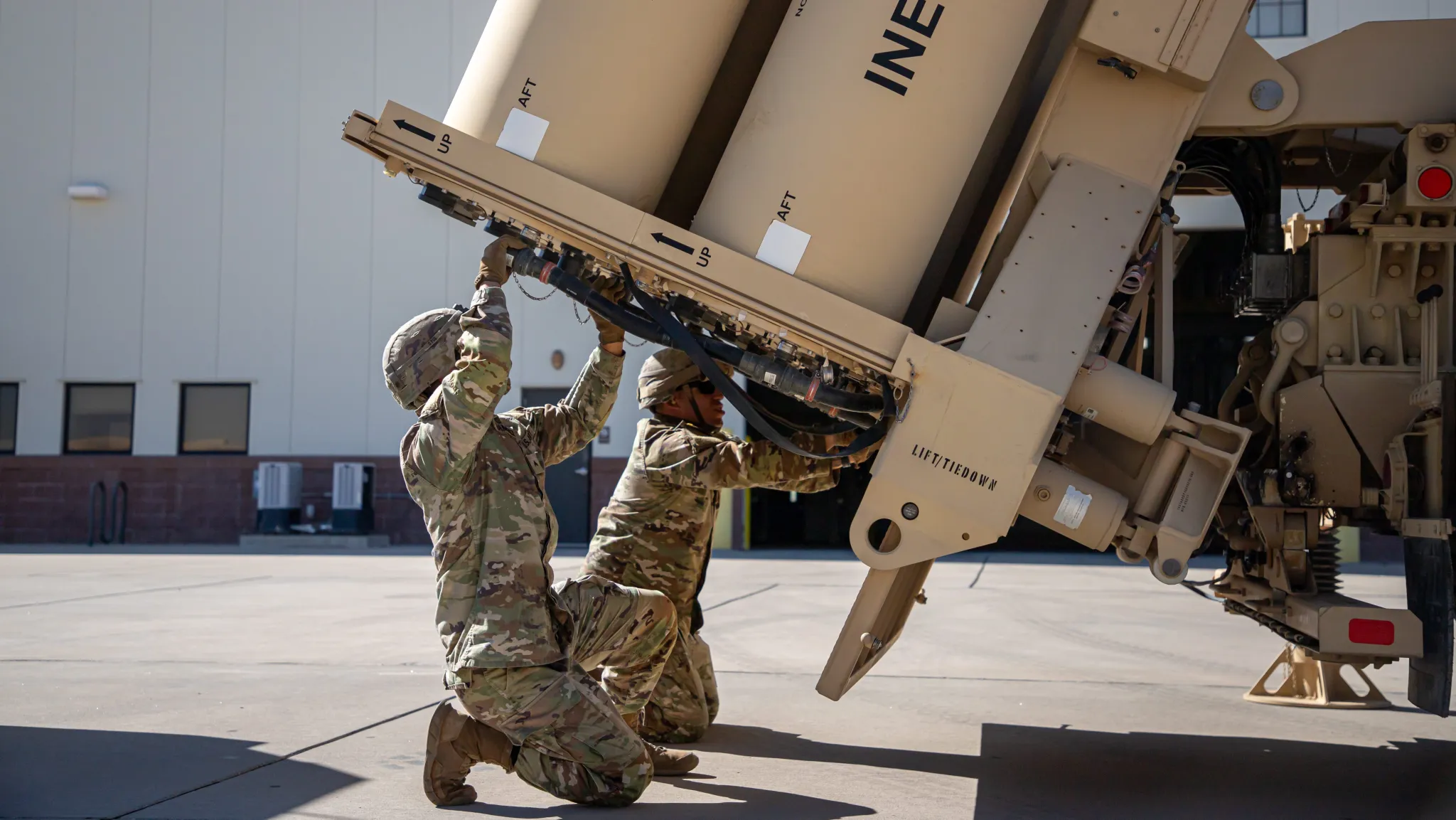
Fire Point has already leaned on Germany’s Hensoldt for radar tech and is knocking on doors at France’s Thales, Italy’s Leonardo, and Norway’s Kongsberg to cobble together command-and-control systems. In other words, it’s less an “Ukrainian-built” system than a loosely aligned political project wrapped in an industrial label.
The plan is ambitious, at least on paper. Fire Point says it already test-fired Freya in early June and could begin mass-producing up to three missiles a day starting in August.
The target date for the system’s first successful real-world intercept? The end of 2027 — assuming all the paperwork, politics, and payments fall into place.
That kind of timeline says a lot about Europe’s defense industrial base, which continues to talk a big game but produce at a snail’s pace.
The Freya coalition, reportedly made up of about eight nations, will need more than just enthusiasm to get metal turning and hardware flying. It will need consistent funding, manufacturing capacity, and a shared vision — all things that European bureaucrats rarely manage to synchronize.
While the U.N. reports that nearly half of Ukraine’s civilian casualties last May came from aerial attacks, Kyiv’s solution still relies heavily on the goodwill of other governments.
For a country at war, that’s not an encouraging model. The Freya system might eventually fill a gap in air defense, but it will do so only if foreign suppliers play along and production lines stay open — no guarantee in Europe’s tangled politics.
Zelenskyy framed the moment as a test of faith and unity, declaring, “God willing, the partners will support it, and God willing, our manufacturers will succeed.”
If that sounds more like hope than strategy, that’s because it is.
For now, Freya represents both the ingenuity and the dependency that define Ukraine’s struggle: the ingenuity to improvise where resources are scarce, and the dependency that keeps Kyiv’s war machine tethered to European mercy and Washington’s approval. Whether this latest missile shield actually shields anyone remains to be seen.
The opinions expressed by contributors and/or content partners are their own and do not necessarily reflect the views of RobManess.com. Contact us for guidelines on submitting your own commentary.
Join the Discussion
COMMENTS POLICY: We have no tolerance for messages of violence, racism, vulgarity, obscenity or other such discourteous behavior. Thank you for contributing to a respectful and useful online dialogue.