
American military personnel have quietly deployed to Kenya in support of a controversial Ebola quarantine facility—an effort that’s already triggering deadly unrest on the ground.
Officials have confirmed that a team from U.S. Africa Command was sent to the air base at Laikipia to assist with the setup and logistics of a 30-bed isolation site intended for Americans potentially exposed to the virus.
The move has sparked outrage and protest among Kenyans, some of whom believe the project could bring Ebola directly to their communities.
While the Pentagon has been tight-lipped about how many troops were sent or what specific units are involved, reports from Stars & Stripes indicate that the deployed element includes engineers, communications specialists, and security planners.
War Department officials clarified that the mission’s focus is strictly logistical—no direct medical care is being provided by American troops on the ground.
In a statement to Task & Purpose, a U.S. official confirmed the deployment’s purpose: “U.S. Africa Command deployed a forward coordinating element to Laikipia, Kenya to establish a temporary isolation unit for Ebola.”
This task force is working alongside the State Department, Department of Health and Human Services, and the Centers for Disease Control to launch the facility as quickly as possible.
The projected facility has already become a flashpoint for tension in Kenya. Located roughly 120 miles from the capital city of Nairobi, the base in Nanyuki has been surrounded by demonstrators angry about what they see as a dangerous intrusion.

Many fear the Ebola facility could endanger local communities in a region that has already battled other infectious outbreaks.
Their outrage has boiled over into widespread street protests, which have turned violent. Three people have reportedly been killed by police in clashes since the demonstrations began.
According to the U.S. Embassy in Kenya, the State Department insisted the facility poses no risk to nearby communities and is meant solely to serve as a controlled environment for Americans exposed to the disease before reentry into the United States.
Embassy spokesmen pointed to broader efforts to increase regional testing capabilities for Ebola and protect public health responders. What they didn’t mention, however, was why this was being done in Kenya—a country not directly hit by the outbreak itself.
The Ebola outbreak was declared on May 15, with infections detected in both Uganda and the Democratic Republic of Congo. So far, global health officials have reported 689 confirmed cases in Congo and more than a dozen in Uganda.
For many African nations, these flare-ups stir painful memories of the 2014 epidemic in West Africa, one that killed more than 11,000 people before being brought under control.
Back then, the U.S. military played a massive role, deploying thousands of troops to West Africa to build field hospitals, distribute supplies, and manage critical airlifts.
Many military observers still credit that rapid intervention with preventing the disaster from spreading further—but those were different times, with direct presidential backing and clearer mission parameters.
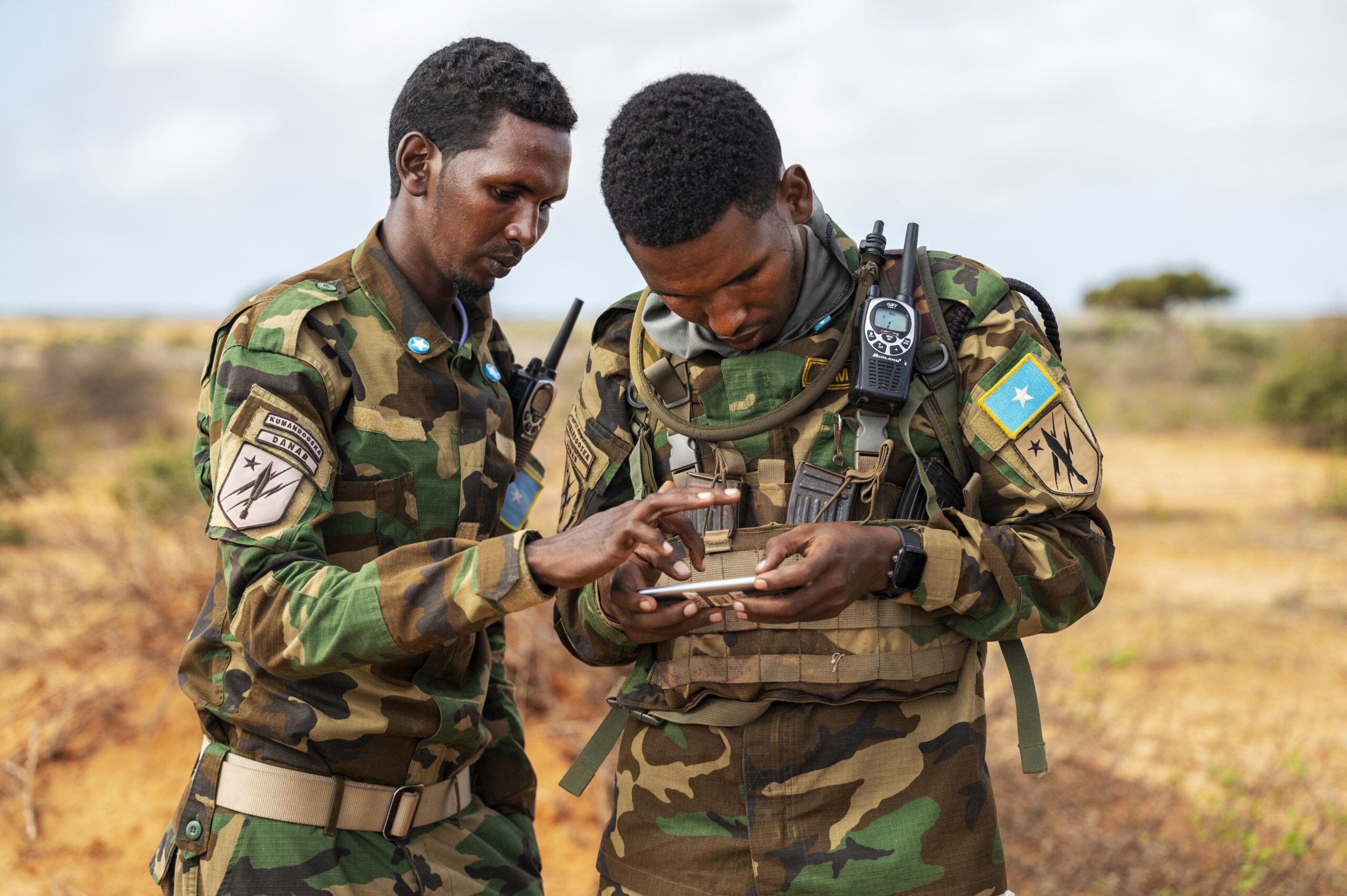
Under current circumstances, this Kenya deployment is much smaller, far less publicized, and occurring against a backdrop of skepticism from locals and confusion from global media.
The War Department’s involvement appears primarily technical, helping to coordinate logistics and infrastructure, but not taking part in healthcare operations.
Nonetheless, their presence highlights a larger reality: the U.S. military is once again being pulled into global health response missions, performing roles that fall into the gray zone between humanitarian assistance and national security.
It also underscores the uneasy balance between public health priorities and diplomatic sensitivities—especially in host countries that view these efforts through the lens of sovereignty concerns.
On the ground, tensions are growing by the day. Reports from Kenyan outlets describe widespread anger in surrounding towns, where locals feel blindsided by the decision to place the quarantine site within their borders.
Police have responded with live ammunition during protests, igniting fierce criticism from human rights organizations. All this, before a single Ebola patient has even arrived.
Meanwhile, in Washington, officials are downplaying the deployment’s visibility. Requests for clarity from media outlets have been deflected between the State Department and the War Department, with neither agency offering transparency on troop numbers or mission duration.
To many observers, this looks like yet another example of bureaucratic buck-passing when lives and credibility are on the line.
The Biden administration, predictably, has remained largely quiet about the growing uproar. For an administration quick to tout “global health security,” this latest episode exposes once again what happens when U.S. policy is carried out without local consent or clear communication. The result: chaos abroad and confusion at home.
The irony of this entire mission is bitterly obvious to many in the military community. America is sending troops halfway around the world to help build a medical facility that local residents don’t want—and that Washington itself doesn’t seem eager to explain.
That kind of muddled messaging doesn’t inspire confidence. Under stronger, clearer leadership, such a mission could have been rolled out with local buy-in and minimal disruption. Instead, it’s déjà vu: another overseas operation mired in protests, secrecy, and bloodshed before the work even begins.
The opinions expressed by contributors and/or content partners are their own and do not necessarily reflect the views of RobManess.com. Contact us for guidelines on submitting your own commentary.
Join the Discussion
COMMENTS POLICY: We have no tolerance for messages of violence, racism, vulgarity, obscenity or other such discourteous behavior. Thank you for contributing to a respectful and useful online dialogue.